


The MSC is committed to providing equal access for all fisheries seeking MSC certification.
We provide additional tools and guidance for small-scale and data-deficient fisheries to help them demonstrate that they meet the MSC Fisheries Standard and get certified.
“In 2014, fishery exports from developing countries were valued at US$80 billion, higher than all other food commodities combined. Certification under the MSC program will make sure these fisheries are operating sustainably and can contribute to long-term social, environmental and economic benefits in their communities.”
MSC

Fishery Improvement Projects (FIPs)
The MSC supports fisheries in FIPs that are committed to achieving certification with our In-Transition to MSC (ITM) program.

Capacity Building Program
Supports fisheries improving towards MSC certification through building the capacity of stakeholders and fisheries scientists in developing countries.

Fishery certification guide
What you need to know to get certified. We are here to help you before, during, and after the process.
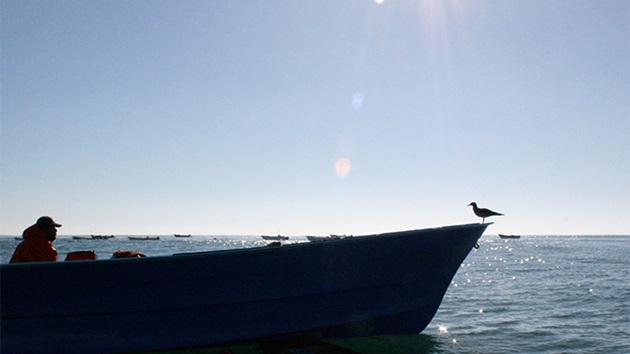
Making Waves: Small-scale fisheries report
Our 2019 report provides the first ever review of the collective impact of small-scale fisheries in the MSC program. It shows that not only are real ecological improvements being achieved on the water, but they are often complemented by social and economic benefits on land.