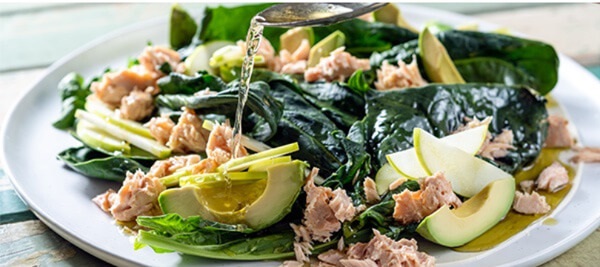

Seafood is one of the most nutrient-dense foods available, and when it’s sourced sustainably, it supports both personal and ocean health. On BBC’s list of 100 of the World’s Most Nutritious Foods, 29 are seafood. Rich in essential nutrients like omega-3 fatty acids, high-quality protein, selenium and vitamin D, seafood plays an important role in brain, heart and immune function.
MSC Australia spoke with leading nutrition scientist, Dr. Joanna McMillan about the health benefits of sustainable seafood to unpack how your choices in the grocery store can shape not only your own wellbeing, but the future health of our oceans.
Sustainable seafood: A nutrition powerhouse
Studies suggest that diets rich in seafood may help reduce the risk of cognitive decline and support emotional wellbeing, a win for people navigating busy, high-stress lives. Seafood has been shown to contain a plethora of beneficial nutrients, such as:
Selenium: Important antioxidant, reduces oxidative stress which is a driver of aging.
Omega-3 fatty acids: Anti-inflammatory which are key for brain health and may slow cognitive decline. They are also crucial for mood, memory and mental sharpness.
Protein: Reduces muscle loss. Learn more about why sustainable seafood is a protein powerhouse.
The other array of nutrients like B12, niacin and vitamin D (higher in oilier fish), are all important for brain, heart, immune, and skin health.
Tuna as a health staple
Skipjack and albacore tuna (most commonly canned) are well below safe levels of mercury. Tuna is also an excellent source of selenium which binds mercury, reducing bioavailability in the body. Sustainably sourced canned tuna is safe for regular consumption and provides essential nutrients.
In Canada, the momentum behind sustainable tuna is accelerating. MSC certified and labelled tuna surged by an extraordinary 582%, reaching more than 13,000 metric tons in 2023/24 — the equivalent of 93.5 million cans sold in a single year. Canada now ranks among the top markets globally for sales of MSC certified tuna, which is only possible thanks to 33% of global tuna catch being certified to the MSC standard.
Sardines are Trending for a Reason!
Sardines are low in saturated fat and high in protein, as well as an excellent source of omega-3. Sardines are also rich in calcium and vitamin D for strong bones, which is especially helpful in peri-menopausal and menopausal women where bone density loss is a key issue.
Wild-caught sardines have one the lowest carbon emissions compared to other sources of meat and dairy. Sardines play a crucial role in the marine ecosystem, so it’s essential to ensure you’re selecting brands that source from sustainable fisheries.
Wild-caught seafood production is generally less environmentally harmful than the production of most land-based animal foods, requiring no land, fresh water, fertilizers or feed.
The future of seafood isn’t just decided on the water — it’s equally decided at the checkout. By choosing products with the MSC label, you help protect ocean ecosystems and keep seafood on the menu for generations to come.
“My goal is to translate the science and emerging research into what that really means for us all...We also have to think about how these choices impact the health of our planet, shaping the way we eat in the future,” says Dr. Joanna McMillan.
Dr. Joanna McMillan is an internationally renowned nutrition scientist, author, speaker & food futurist. Dr McMillan has partnered with the MSC on several campaigns, including Sustainable Seafood Week 2024 and World Oceans Day 2025.