


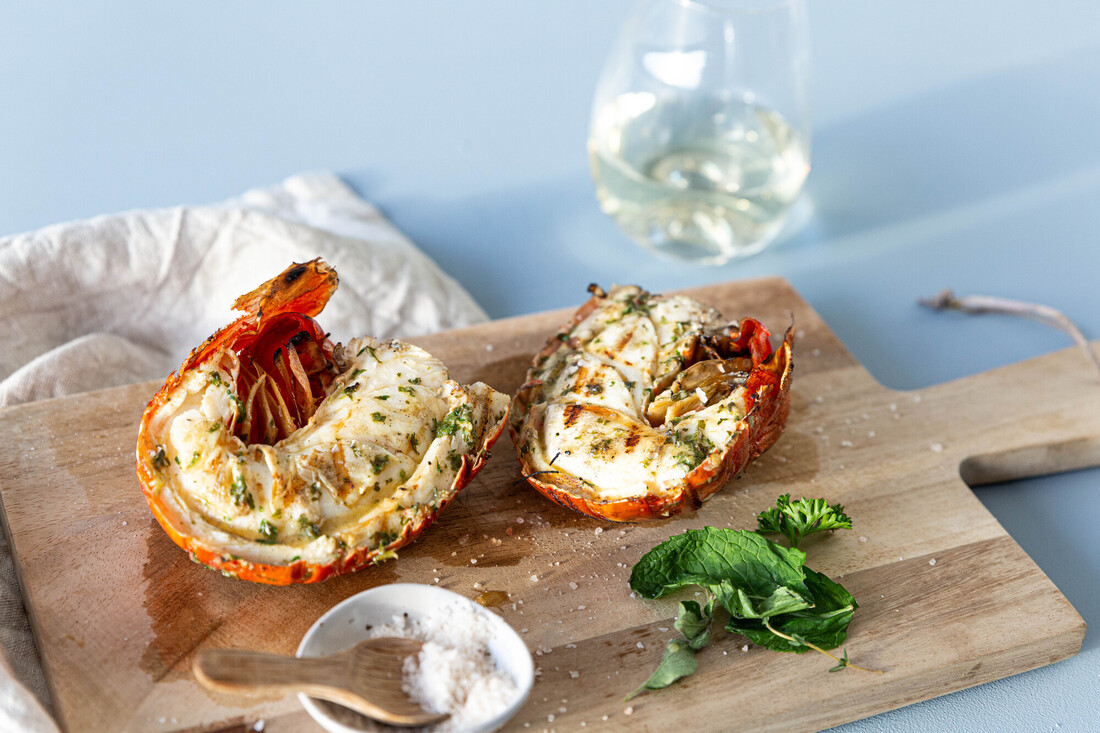

Replace boring meat dishes with sustainable seafood to add wildness to your holiday menu
While many tables around the world feature rich meat dishes, for centuries, seafood has held a significant place in Christmas Eve and New Year's Eve celebrations. It not only lends itself well to hosting in the form of appetizers, but also comforting dishes like seafood linguine, casserole, and chowder if coziness is more your vibe.
Choosing sustainable wild-caught seafood is a delicious way to celebrate while making a better choice for the ocean.
Skip: Turkey
Try: Salmon
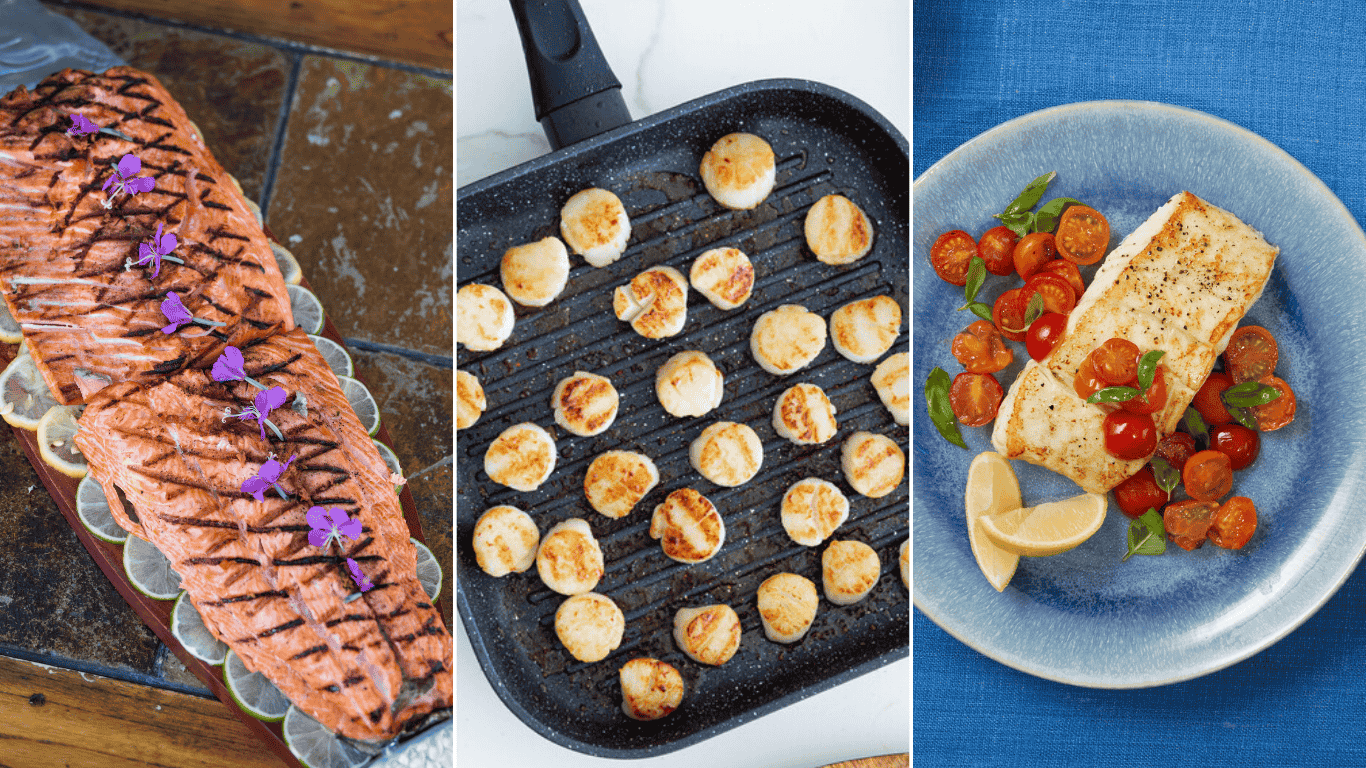
Try swapping turkey for a whole salmon. Wild fish has a lower carbon footprint than most meat and generally needs a lot less prep and cooking. Bonus: any messy filleting can be done at the fish counter so there’s no massive cleanup needed at home.
Skip: Meatballs
Try: Scallops
Scallops, which are at peak season in late autumn and winter, are another treat that doesn’t require complex or lengthy preparations. If your crowd is not too big, two or three pan-seared scallops each is a lovely way to kick off lighter lunch (especially if there’s a big dinner coming later!).
Skip: Chicken
Try: Whitefish
Whitefish has been an integral part of the Christmas Eve tradition in many parts of the world, like Basque-style cod stew in Mexico and baked or fried cod in Italy and parts of America as part of the tradition of the Feast of the Seven Fishes.
Holiday seafood around the world
For many countries, seafood is already at the cultural heart of holiday celebrations.
- Scandinavians and Balts enjoy pickled herring and cured salmon (gravlax).
- Boiled cod and octopus are popular Christmas Eve dishes in Portugal and Spain.
- Smoked salmon is an appetizer and brunch favorite in the UK (served with a glass of bubbly, of course).
- The Australians go wild for prawns, especially grilled on the barbie; and the bigger the better.
Fish and seafood that has the MSC blue fish label means that it’s wild-caught and comes from well-managed fisheries that maintain stocks at healthy levels. That’s good for the ocean and marine life – plenty of fish left in the sea ensures seafood can be part of holiday traditions for generations to come.
