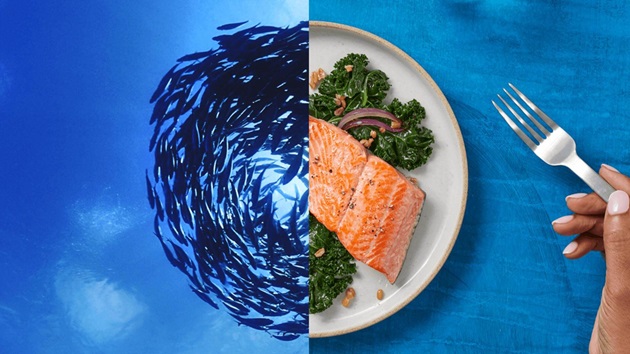

If you’ve ever stood at a fish counter wondering whether walleye and pickerel are two different fish, you’re not alone. Walleye and pickerel are the same delicious freshwater fish known by different names depending on where you live.
“In many places, pickerel is a local name for walleye,” explains Bill Galbraith, Senior Resources Management Officer with Indigenous Services Canada. “But the true species name is walleye (Sander vitreus).”
Across most of the U.S. and Canada, people search for “walleye,” but if you’re in Ontario or on the East Coast (Nova Scotia, New Brunswick, Maine, or Rhode Island), you’re more likely to look for “pickerel.”
What matters most isn’t what you call it — it’s how sustainably it’s caught.
Choosing Sustainable Walleye
When you see the blue label from the Marine Stewardship Council (MSC), it means the fishery has been independently assessed against the MSC Fisheries Standard. To achieve certification, a fishery must demonstrate:
Healthy fish populations that are not overfished.
Minimal environmental impact on habitats and other species.
Effective, responsive management that adapts to new science and environmental conditions.
In Canada, three freshwater fisheries stand out for their leadership in sustainable walleye fishing:
1. Lake Erie Walleye & Yellow Perch Fishery
The Lake Erie fishery made history as the first fishery in the Great Lakes — and the world’s largest commercial freshwater fishery — to achieve MSC certification. Should we add the year here for consistency with the MB fishery profile?
What makes it sustainable?
Science-based stock management
Lake Erie’s walleye population is jointly managed by Canadian and U.S. authorities through a coordinated quota system. Annual stock assessments use robust scientific data to set total allowable catches that ensure long-term stock health.
Strict harvest controls
Catch limits are carefully allocated, and commercial harvest is monitored through reporting systems that track landings and compliance.
Selective fishing methods
Fishers use gear designed to target walleye and yellow perch while minimizing bycatch and reducing impacts on lake habitats.
Collaborative governance
Cross-border cooperation ensures consistent rules, shared data, and adaptive management — critical in a large, shared freshwater ecosystem.
For consumers, that means Lake Erie walleye comes from a fishery where sustainability is continuously monitored and improved.
2. Osh-koo-na-ning (Waterhen Lake) Walleye & Northern Pike Fishery
This commercial ice fishery is located in Manitoba and Indigenous-owned and operated, the Osh-koo-na-ning fishery became the first freshwater fishery in the Western Hemisphere to earn MSC certification in 2014.
What makes it sustainable?
Carefully controlled harvest levels
Catch limits are set to maintain healthy populations of walleye and northern pike, ensuring the fishery remains productive for future generations.
Low-impact fishing gear
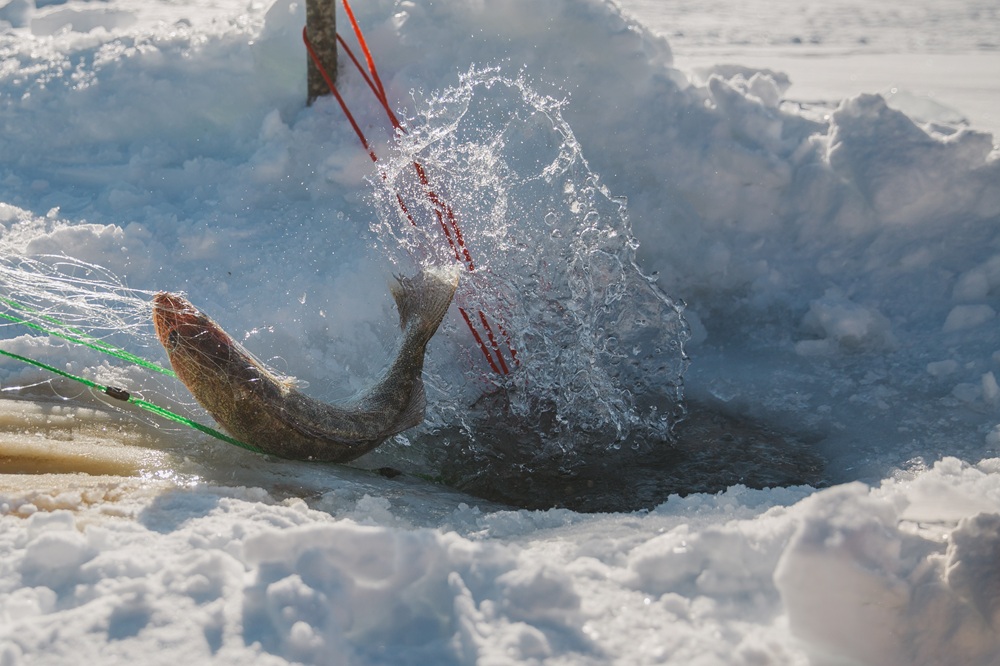
Gillnets are carefully managed and monitored to reduce bycatch and minimize environmental disturbance. As a winter only fishery, nets are set under the ice with responsive mesh sizes so only the right size of fish are caught.
Community-based monitoring and compliance
Local fishers play a direct role in stewardship, data collection, and maintaining responsible practices.
Co-management success
The Osh-koo-na-ning fishery is a leading example of co-management where Skownan First Nation, the Osh-koo-na-ning fishers, and the government of Manitoba work together.
The result is a fishery that supports both ecosystem health and community livelihoods.
3. Cedar Lake Walleye and Northern Pike Fisheries
The Cedar Lake Walleye and Northern Pike Fisheries in northern Manitoba earned MSC certification in 2022, becoming Canada’s third freshwater fishery to meet the MSC Fisheries Standard.
What makes it sustainable?
Dual-season management
Cedar Lake operates both a summer open-water fishery and a winter ice fishery. This seasonal structure allows for careful monitoring of harvest levels across different conditions, helping maintain healthy walleye and northern pike populations year-round.
Science-based stock monitoring
Regular stock assessments and collaborative data collection support responsible quota setting. Fishers and managers work together to track stock health and adjust practices as needed to ensure long-term sustainability.
Proactive stewardship measures
The fishery has implemented voluntary closures and adaptive management tools to protect spawning areas and respond to environmental changes, strengthening resilience in a changing climate.
Indigenous leadership and co-management
Led in partnership with the Chemawawin Cree Nation and Cedar Lake Fisheries Inc., the fishery reflects strong local stewardship. Around 90 local fishers depend on the fishery, which supports community livelihoods while safeguarding fish stocks for future generations.
For consumers, Cedar Lake walleye represents a freshwater fishery where environmental responsibility and community wellbeing go hand in hand.