Canned tuna is a popular pantry staple across North America and how you choose a can of tuna can play a role in safeguarding ocean ecosystems. And demand for tuna is on the rise, The National Fisheries Institute reports that tuna is the third most consumed seafood in the United States. The global tuna market is worth approximately USD $42 billion and projected to grow to USD $54 billion by 2032. So as demand grows, it’s essential to choose certified sustainable tuna.
When you see the MSC blue fish label on tuna, it means the fish comes from a fishery that has been independently certified as environmentally sustainable. The label signals that the fishery meets strict scientific standards designed to protect fish populations, reduce impacts on the wider ocean environment, and ensures fisheries are well managed for the future. Today, over half of the world’s tuna catch is either MSC certified, in assessment, or working toward the MSC standard, showing how demand for sustainable seafood can help improve and even transform fishing practices.
Tuna 101
As highly migratory apex predators, tuna plays an essential ecological role. They help maintain balance in marine food webs and transport nutrients across the ocean, supporting biodiversity and ecosystem health.
Plus, tuna is one also of the most commercially important seafood species in the world. It accounts for nearly 30% of global seafood trade. That’s why sustainable management of tuna fisheries is critical—not just for the environment, but also for global food security and the livelihoods of communities that depend on fishing.
How does choosing MSC certified tuna help the ocean?
To achieve MSC certification, tuna fisheries must demonstrate they meet three core requirements.
Healthy tuna populations
MSC-certified fisheries must show that tuna stocks are abundant and fished at levels that allow populations to remain healthy and productive. This involves ongoing scientific monitoring, stock assessments, and limits on how much tuna can be caught.
Minimizing environmental impacts
Depending on the fishery, this may include using gear designed to reduce bycatch of species like sharks or turtles, avoiding sensitive habitats, and monitoring catches to ensure non-target species are protected.
Effective management
Many tuna fisheries operate across international waters and work through regional fisheries management organizations to coordinate quotas, monitoring, and enforcement.
Skipjack Tuna Fishery Sets a New Standard for Sustainable Fishing
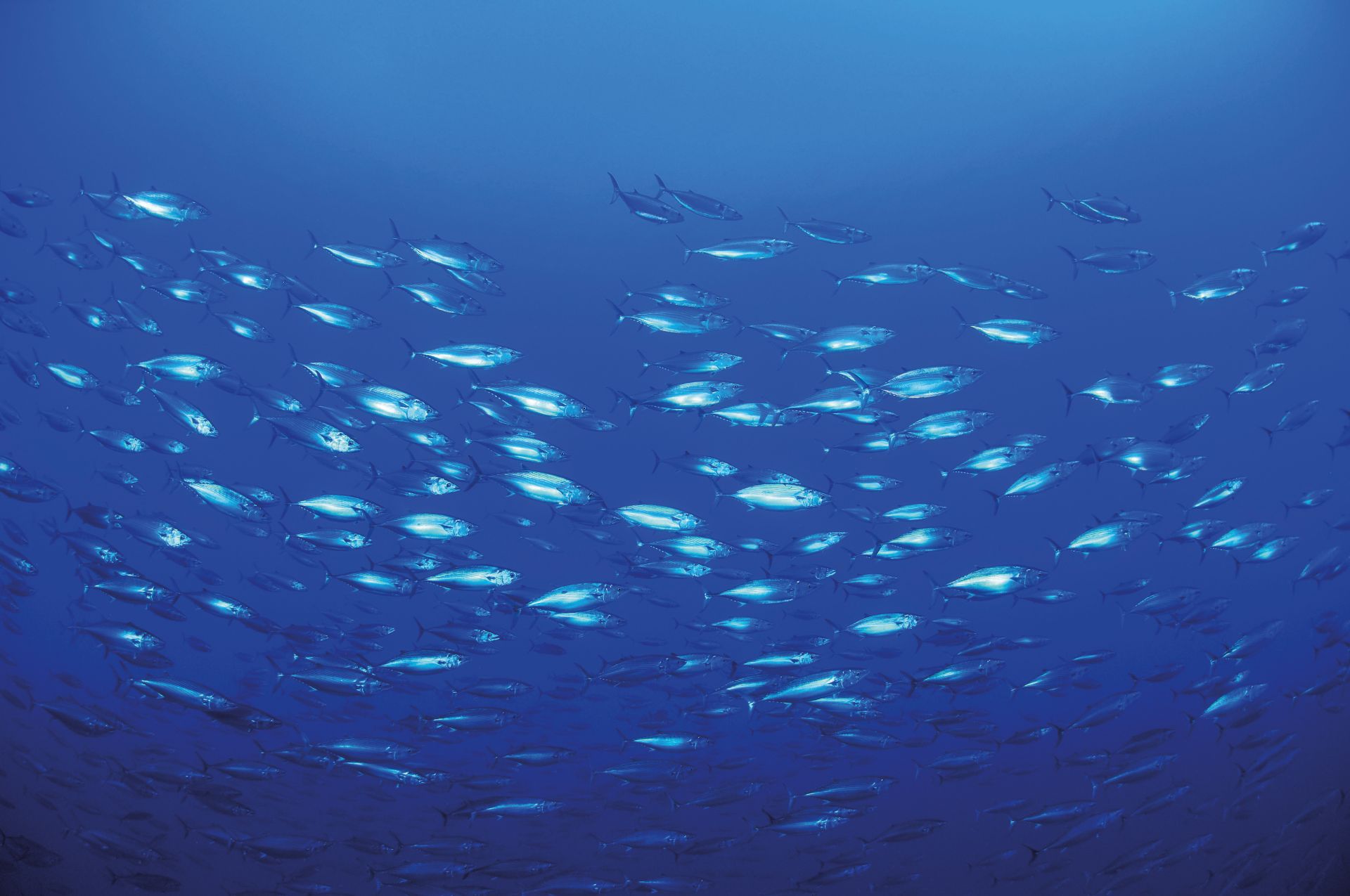
Skipjack tuna is one of the most commonly eaten tuna in the world but because it travels across huge areas of ocean, managing it sustainably takes cooperation between many countries.
To protect this important species, fishery managers introduced a cooperative way of working: a harvest strategy. Think of it as a clear, science-based game plan that sets rules ahead of time—so if tuna numbers start to drop, action is taken right away.
By bringing multiple countries together under one shared plan, this fishery is helping ensure skipjack tuna stays abundant for the future. It’s a powerful example of how global teamwork can protect the seafood we all rely on.
Albacore Tuna Fishery Shows What Global Teamwork Can Achieve
Countries fishing for North Pacific albacore tuna have agreed to manage the stock together under one unified plan.
Instead of each region making separate decisions, they now follow a shared, science-based approach that adjusts fishing levels depending on how healthy the tuna population is. This helps protect the species before problems arise.
It’s a major step forward for sustainable fishing. By working together across borders, this fishery is helping secure albacore tuna for future generations and showing what’s possible when everyone pulls in the same direction.
MSC is a global non-profit so that means no matter where you are in the world, if you see the MSC blue fish label on your tuna, you've made a choice that contributes to a healthier ocean.