Shrimp is a wildly popular protein in Canada and the US, always landing among the top three favorite seafood options, along with salmon and canned tuna.
Because of its popularity, there are endless shrimp options in the grocery store. There’s farmed and wild-caught. There are local and international options. And there’s fresh cocktail shrimp and frozen raw shrimp. You can even find tiny canned shrimp! The options can be overwhelming, but one thing you can do to make your choice simpler if you shop with the ocean in mind is look for shrimp with the MSC blue fish label.
How does choosing MSC certified shrimp help the ocean?
Shrimp fisheries that have achieved MSC certification meet strict standards for sustainability. To get certified, they must prove that they are fishing from healthy, wild populations, that their fishing practices don’t cause lasting harm to the environment or other species, and that they are well managed and adaptable to changing conditions.
And that’s just the beginning. Once they enter the MSC program, fisheries continue to innovate and improve. What’s more, information about their certified fisheries is publicly available and transparent, so they can be held accountable to their commitments. Here are just a few examples of shrimp fisheries that are going above and beyond.
1. Pink Shrimp Fishery in the US reduces bycatch by up to 90% with LEDs
The West Coast pink shrimp fishery operates in the same area where a small fish called eulachon lives. Eulachon populations have been declining due to climate change, habitat loss, and the impacts of commercial fishing. One of the requirements of MSC certification for the pink shrimp fishery was to investigate ways to reduce their impact on eulachon populations.
Researchers found that placing LED lights on the bottom of the nets reduced unwanted catch of eulachon by 80-90%. And since 2018, 100% of vessels use this method. As a result of this success, the use of LED lights has spread to other shrimp fisheries in California, Oregon, and Washington.
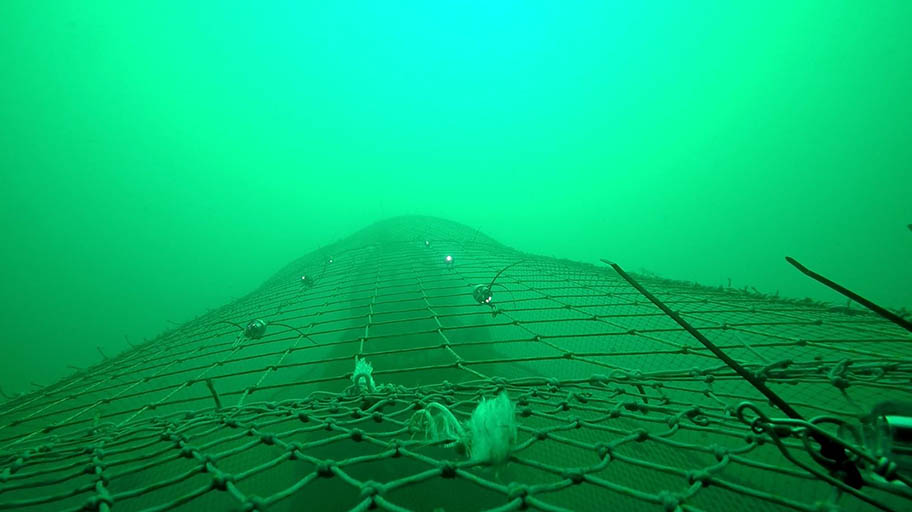
The addition of the LED lights helped more than just eulachon; it also reduced bycatch of sole and rockfish by as much as 82%!
No one actually knows how the lights reduce bycatch. It could be that the light illuminates an escape path or that it encourages the fish to move downwards, or it might act as a warning to avoid the oncoming trawl. However it works, these LED lights have helped shrimp fisheries everywhere reduce their impact on the environment – good news for shrimp lovers everywhere.
2. Argentine Red Shrimp shows that Improvement Projects work
After a decade of hard work, the Argentine red shrimp (Pleoticus muelleri) fishery achieved MSC certification – verifying the fishery’s environmental sustainability practices
Argentine red shrimp is in high demand. It has been one of the fastest-growing seafood products globally over the last 15 years – it’s eaten around the world, from Asia, to Europe, to the US – making it incredibly important to Argentina’s economy. The easy thing to do would be to reduce regulations and fish more to meet this demand, but that’s not what happened. Over the last ten years, the fishery worked hard to improve management and environmental monitoring while reducing their impact on the environment.
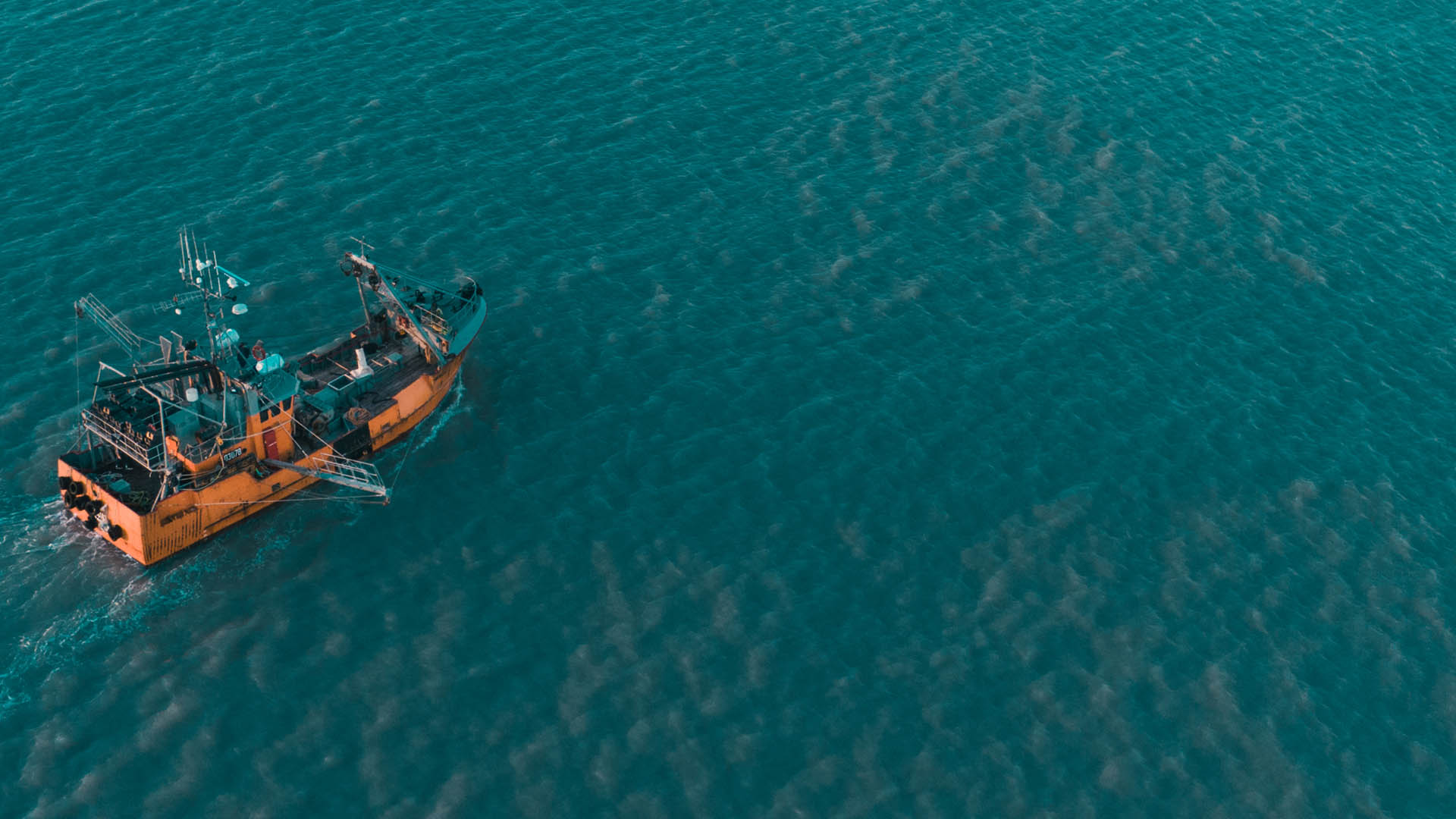
One of the ways fishery managers have helped secure this fishery’s future is by ensuring fishing only happens seasonally between October-November and March-April. This aligns with the natural life cycle of red shrimp, which mature, reproduce, and die in just two years. By aligning fishing seasons with shrimp life cycles, they are maximizing their ability to catch shrimp with the least impact on reproduction.
The fishery also supports jobs in coastal communities and strengthens the local industry. By committing to enter the MSC program, the fishery has protected the livelihoods of those who depend on this fishery, while making sure that shrimp will be around for generations to come.
This fishery can now meet the growing demand for Argentine red shrimp without compromising on the future of the fishery, the shrimp, or the ecosystem.
3. Australia Northern Prawn protects biodiversity
On the other side of the globe, Australia’s largest prawn fishery has been MSC certified for over a decade. In 2012 they became the world’s first MSC certified sustainable tropical prawn fishery, and they’ve never stopped improving.
One of their biggest innovations happened in 2000 when they introduced Turtle Exclusion Devices (TEDs) to the fleet, reducing interactions with turtles by 99%. TEDs are a simple way to allow larger marine life to escape nets. It is a grid of metal bars that lead to an opening in the net. Fish will swim through the bars to the back of the net, but bigger animals, like turtles, don’t fit, and will follow the grate out through the opening.
-copy-912.jpg?Status=Master&sfvrsn=3fcb470d_1 "turtle-excluder-(1)-copy-912")
In addition to helping turtles, TEDs have also reduced interactions with larger sharks and rays, which are down 86% and 94% respectively.
And the hard work continues. The fishery is now working on innovative ways to reduce interactions with the endangered sawfish, which has proven challenging in the past due to the shape of the sawfish’s long toothed rostrum.
Thanks to efforts like these, Australians can continue to enjoy prawns that come from a sustainable population and from a fishery that is working hard to provide delicious prawns while minimizing its impact on the surrounding environment.
See the label on your shrimp, know you’re good
No matter where you are in the world, if you see the MSC blue fish label on your shrimp, you can feel confident you made a choice that contributes to a healthier ocean. Whether it’s protecting turtles in Australia or saving eulachon on the other side of the world, MSC certified fisheries are continually improving to help feed a growing population without compromising on environmental sustainability.