



Myths are powerful, they have the potential to become unquestioned narratives that shape our beliefs. For example, the food myths: “all fat is bad fat” profoundly reshaped product manufacturing, marketing, and businesses in the 1980’s and 1990’s before being debunked.
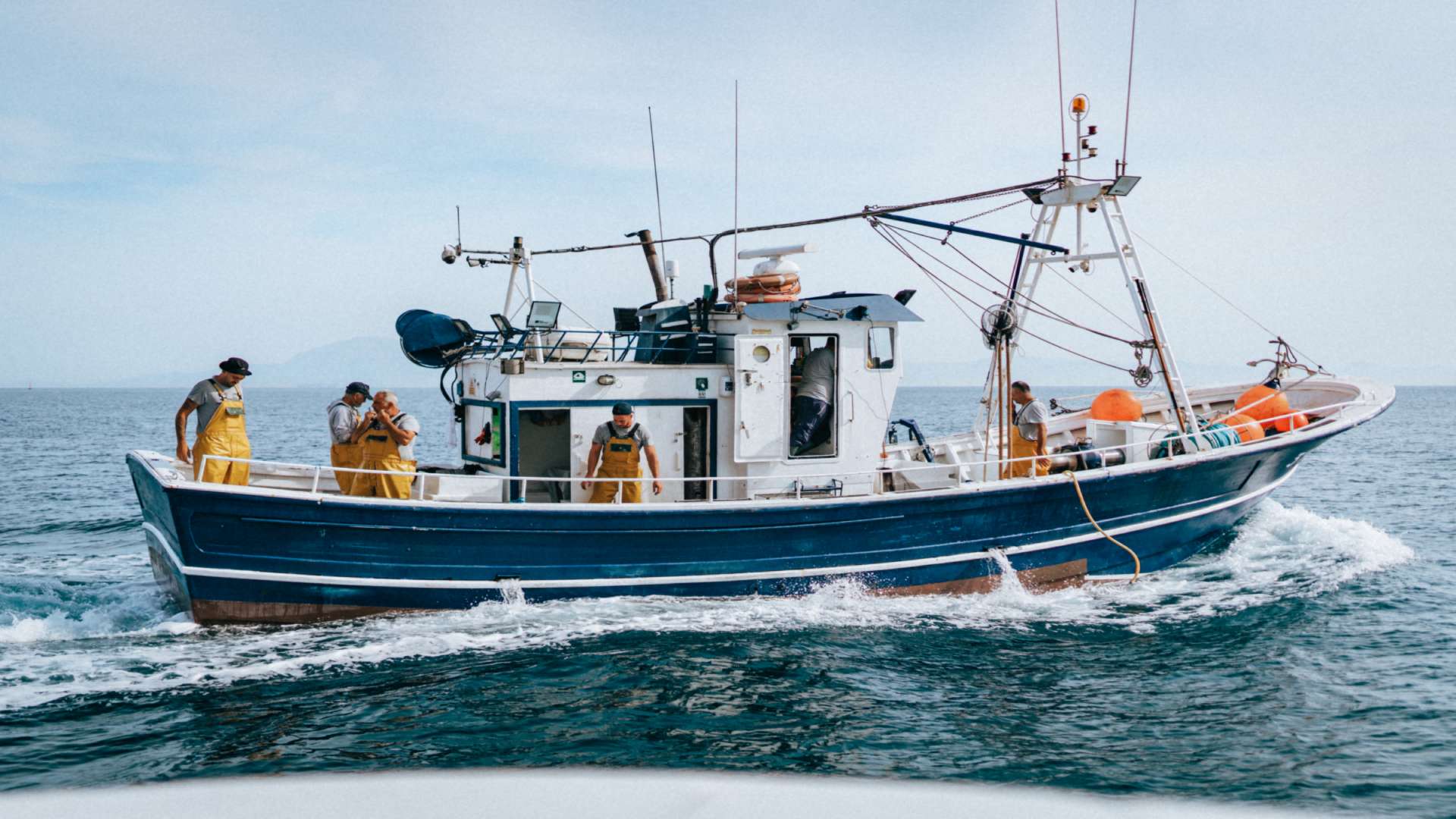
Now there is a seafood myth that we need to debunk: “There is no such thing as sustainable fishing”.
Sustainability is not all or nothing
Everything we eat has an environmental footprint, and few (if any) options are 100% “good” or 100% “bad”. Sustainable eating is less about cutting out specific foods and more about supporting better ways of producing them. And producing food more sustainably often comes down to how it’s produced, managed, and sourced, not just what it is.
This is precisely why certifications like the MSC exist, to measure the impact of seafood harvesting and production, and clearly identify environmentally sustainable seafood products to help consumers educated decisions.
As a global non-profit that has been championing environmentally sustainable fishing practices for almost 30 years, not only do we have the data to disprove the myth that “sustainable fishing doesn’t exist”, but doing so is crucial to the health of our ocean.
Environmentally sustainable fishing does exist
Sustainably managing a fishery is far more complex than it might seem. It relies on years of scientific data and continuous monitoring. Scientists track fish populations through stock assessments, studying growth rates, reproduction, migration patterns, and how species interact within ecosystems. They combine this with data from fishing vessels, onboard observers, satellite tracking, and environmental monitoring to understand how much can be caught without depleting the stock.
Sustainable fishing is a daily reality for 738 fisheries engaged with the MSC program around the world. These fisheries are investing time and money to adapt their practices, carefully monitor every catch, and minimize damage to the surrounding ecosystem. Collectively, they’ve made over 2,000 improvements to their ways of work to meet the MSC’s rigorous environmental standards.
While challenges remain, more fisheries today are managed with a level of precision, transparency, and accountability that simply didn’t exist a generation ago. With trawling, for example, progress has been made over decades and today trawling can be managed sustainably. An excellent case study for this is the BC Groundfish Trawl Fishery welcomed into the MSC program in March 2026, after the fishery worked for decades to achieve certification.
“They have established a compelling blueprint for environmentally sustainable trawling that we hope will inspire many more to follow,” says Kurtis Hayne, Program Director for the MSC in Canada.
The Habitat Conservation Agreement, co-developed by the Deep Sea Trawlers Association of BC, the Canadian Groundfish Research & Conservation Society, and several environmental organizations to date has achieved an over 90% reduction in bycatch of sensitive coral and sponge.
On top of which, groundfish stocks have improved. “Since the changes in the early 2000s that were made to groundfish management, we have seen recovery of groundfish communities...The recovery that we've seen is not just in the abundance of the groundfish stocks, but also in the number of species that are observed,” says Dana Haggarty the Groundfish Section Head at Fisheries and Oceans Canada.
The world needs sustainable seafood
The world’s food system relies on seafood being sustainably caught on a large scale. According to World Population Review, every year Iceland consumes 184 lbs of seafood per person, and the Maldives consumes 175 lbs of seafood per person.
Seafood is an essential protein for many people that cannot be easily replaced by other food sources. “We have long known that wild fisheries have lower CO2 emissions than beef, mutton, cheese, pork, and poultry. Wild fisheries also require virtually no fresh water or land to harvest,” reports Oceana.
YOU Matter in This Equation
Without consumer support of seafood from certified sustainable fisheries, large scale fishing will still exist, but it will be unmonitored, unregulated, and environmentally unsustainable.
Your shortcut to finding credible sustainable products is all in the label. 72% of North American seafood consumers demand clearly labeled and third-party verified sustainability labels. The MSC checks all those boxes.
Every time you choose seafood from with the MSC label, you’re helping to:
support fisheries that are committed to environmentally sustainable fishing practices
protect ocean ecosystems
ensure seafood remains available for future generations
At its heart, choosing sustainable fish is about being part of a system that’s supporting a healthy ocean.