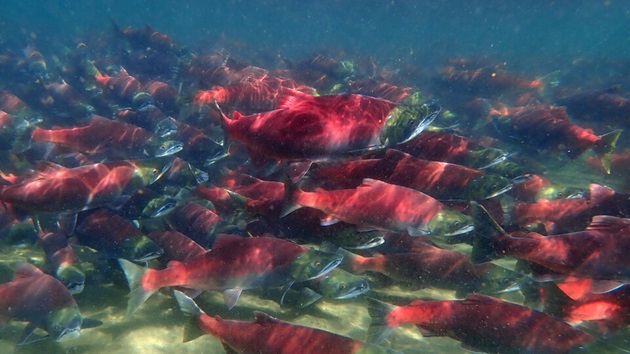
If you live in Canada or the US, the odds are very high that you love salmon. Compared to all other seafood, we eat a lot of it—3.5lbs per person, in fact. It consistently ranks first or second on the list of most popular seafood options year after year.
It’s no wonder. Salmon is healthy, versatile, and affordable. Not to mention, delicious!
But because we eat so much of it, it’s incredibly important to make sure it comes from a sustainable source in order to preserve future populations and protect the ecosystem for generations to come. The easiest way to identify wild, environmentally sustainable seafood is to look for the MSC blue fish label – when you see the label on your salmon, you know you’re doing good for you and the ocean.
How does choosing MSC certified salmon help the ocean?
MSC certified salmon fisheries have met strict standards for sustainability, proving that they are:
- Fishing from healthy populations,
- Minimizing their environmental impact, and
- Well managed and adaptable to changing conditions.
But sustainability doesn’t stop with certification. MSC certified fisheries continue to improve over the course of their certification (a five-year period). Here are a few ways that MSC certified salmon fisheries have made a difference to the health of our ocean:
1. Legacy of sustainability
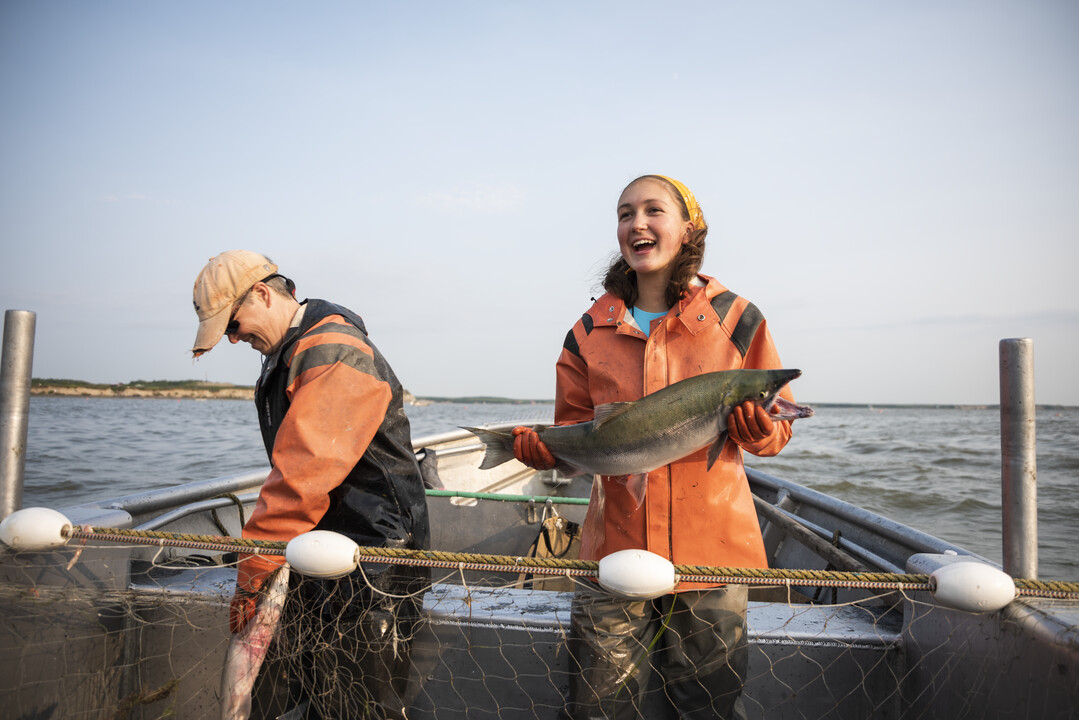 One of the first fisheries to enter the MSC program was the Alaska Salmon fishery, which first achieved certification back in 2000. But sustainability in Alaska goes back way before that.
Salmon has been synonymous with Alaska since long before it was a state. Indigenous people relied on salmon for food, and Alaska’s abundant fish stocks were a primary reason behind the United States' 1867 purchase of the territory from Russia. Salmon fishing was lucrative in the early 1900s, and as catches increased until it peaked in the 30s and catches started to decline due to overfishing. This prompted a group of Alaskans to include details about salmon management in the constitution during the push for statehood.
The changes they made then have had a lasting impact on the fishery, and MSC certification was a way to show the rest of the world that it meets global best practice for environmentally sustainable fishing.
2. Supporting research on hatcheries
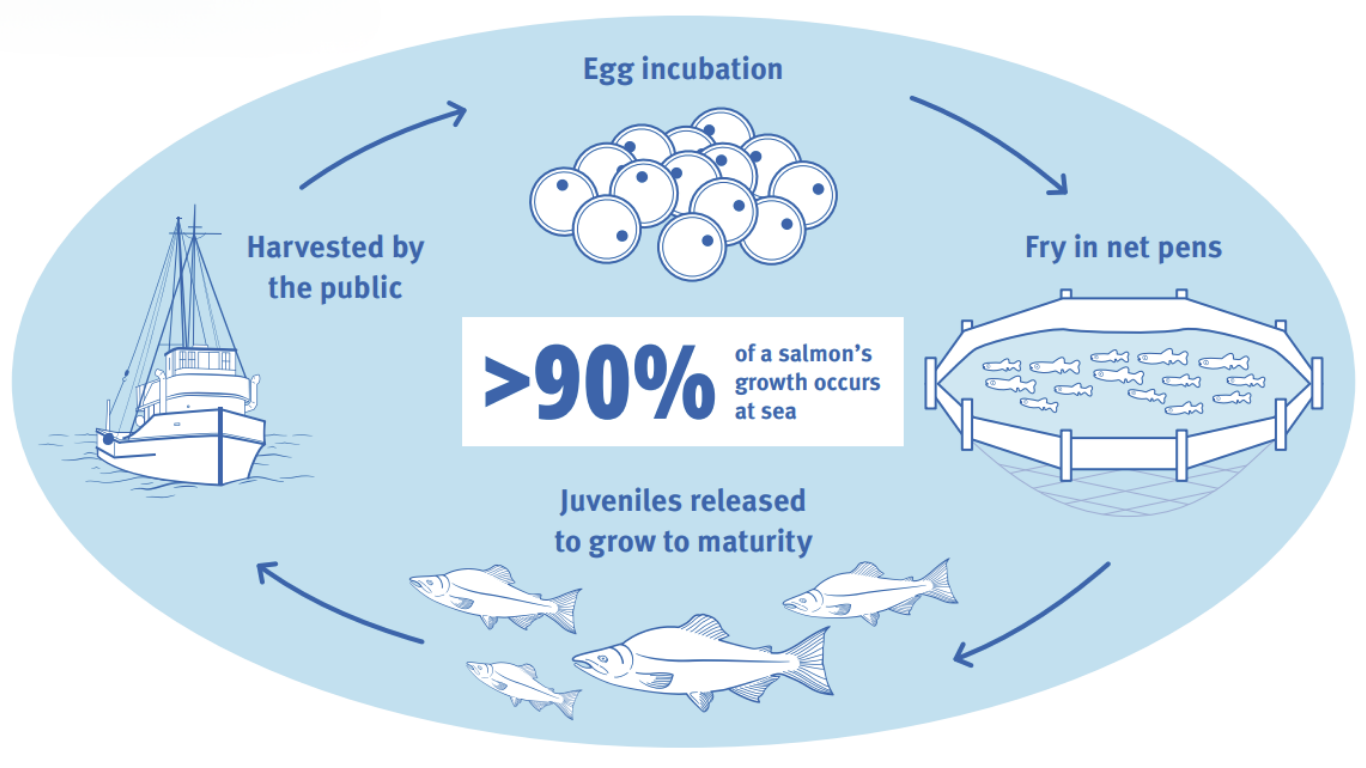
The Alaska salmon fishery has supported extensive research for more than 20 years to fully understand the impacts of salmon hatcheries on wild populations.
In short, hatcheries are a way to support wild populations by reducing juvenile salmon deaths. Fishery managers collect and raise eggs from wild Alaska salmon until young salmon are strong enough to survive in the wild.
Once released, hatchery salmon live entirely in the ocean, following the same migratory patterns of wild salmon and are harvested in Alaska’s commercial salmon fisheries. Before being released into the wild as juveniles, hatchery fish are marked so scientists have a way of identifying hatchery fish when they’re caught as adults. Over the two decades of this research project, scientists have concluded that hatchery salmon do not have a negative impact on the natural wild population.
This means that the fishery can continue to support healthy populations with hatcheries without compromising the natural order.
3. Effective management with escapement
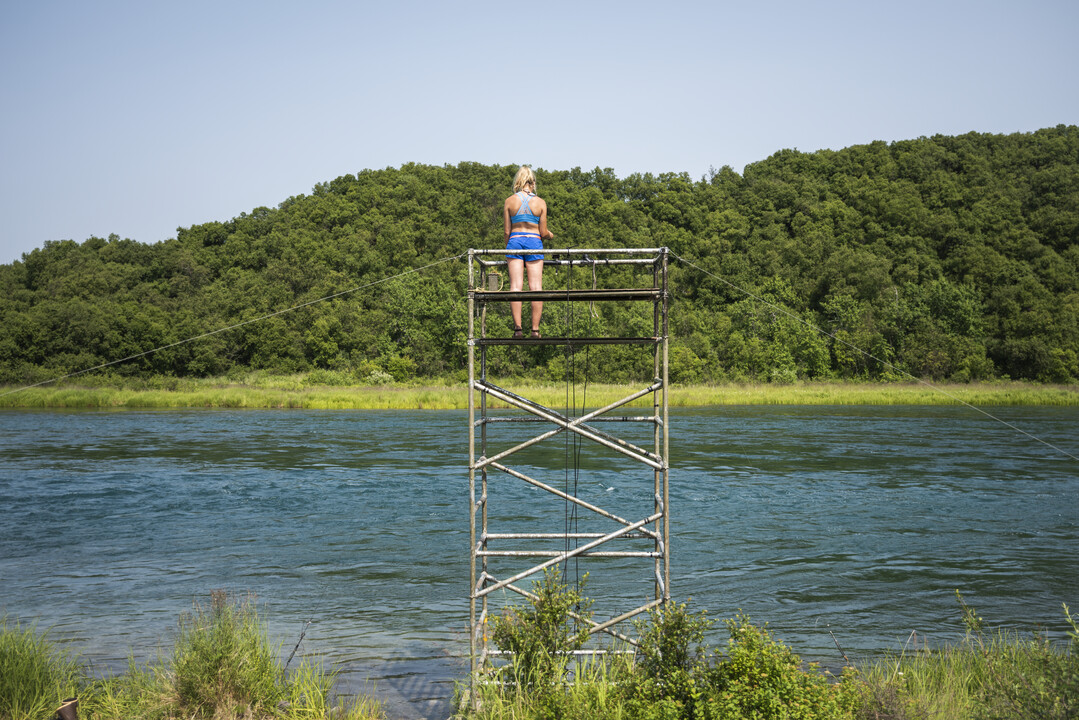
One of the most effective ways fishery managers ensure that there will be enough salmon year after year is escapement. Escapement is when biologists determine how many salmon need to swim upriver and spawn to ensure there will be a robust salmon population born the next year.
To guarantee escapement goals are met, field staff spend summers sitting in towers looking down into rivers and counting salmon that swim past. If the water is too murky, they can use sonar to count salmon swimming upstream. Those numbers get passed up the chain to a fisheries manager who makes daily decisions on if fishing is allowed or not that day.
This ensures that salmon fishers have the absolute most recent information and can ensure populations stay healthy and robust for the whole fishing season and beyond.
See the label on your salmon, know you’re good
No matter where you are in the world, if you see the MSC blue fish label on your salmon, you can feel confident you made a choice that contributes to a healthier ocean. From before statehood to a 20-year research project, MSC certified salmon fisheries are continually improving to help feed a growing population without compromising on environmental sustainability.
Hungry for salmon tonight? Check out our foodie guide to learn all about the different varieties and get some delicious recipes.