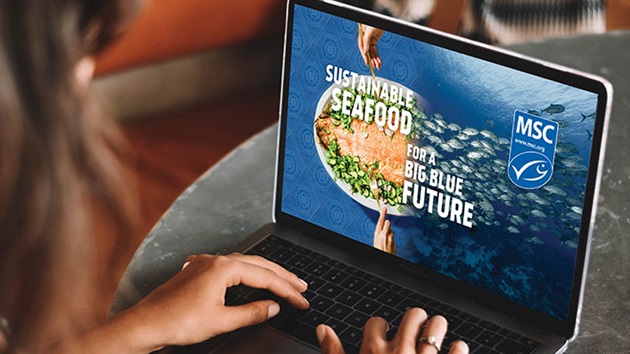
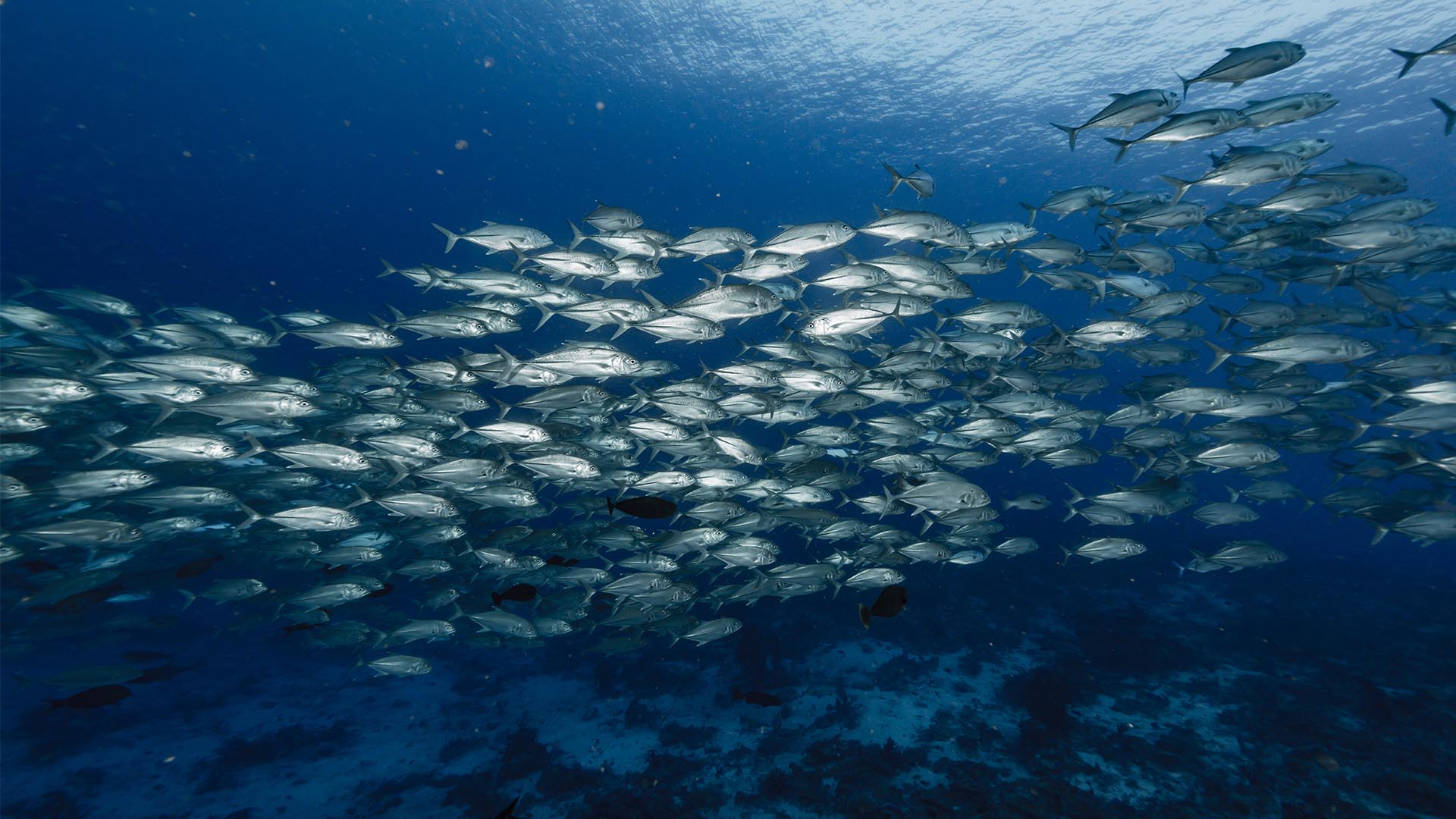
When you hear about Earth Day, chances are that phrases like “going green” are front and center. Here at the Marine Stewardship Council (MSC), we’re all about “going blue”—but we celebrate Earth Day just as enthusiastically as green organizations.
So, why would a sustainable fishing organization take part in Earth Day?
Picture planet Earth. It’s only natural that humans think about terrestrial ecosystems first; after all, it’s where we live. But water makes up 71% of the Earth’s surface; the image below shows what an ocean-centered view of our planet looks like, in dramatic contrast to the land-centered view we usually see! What’s more, land and ocean life are intimately connected. Without the ocean, the rest of our planet would be—literally and metaphorically—high and dry.
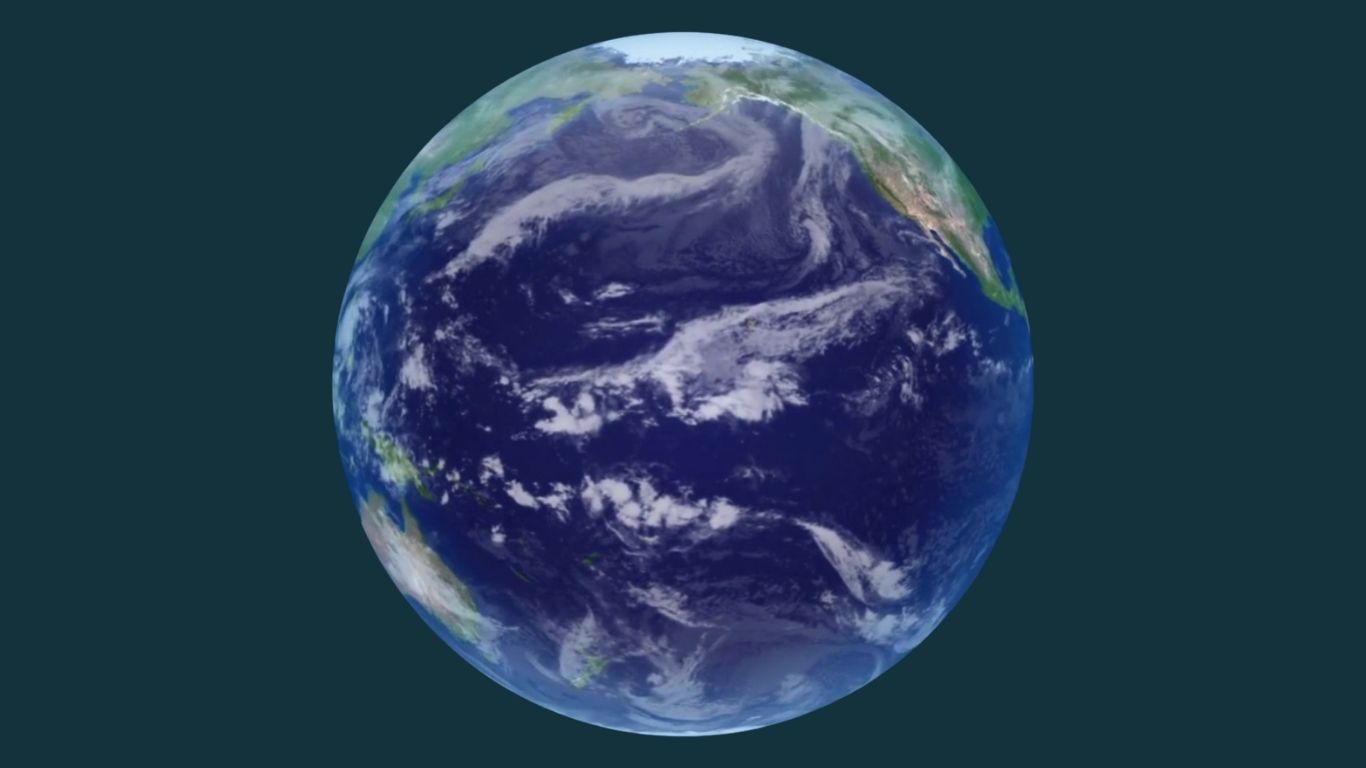
MSC protects the ocean and, in turn the planet, by promoting sustainable seafood and working to end overfishing. Here’s why we love the ocean, and why we hope you’ll honor and protect all our planet’s resources this Earth Day.
From making rain to storing carbon, the ocean stabilizes planet Earth
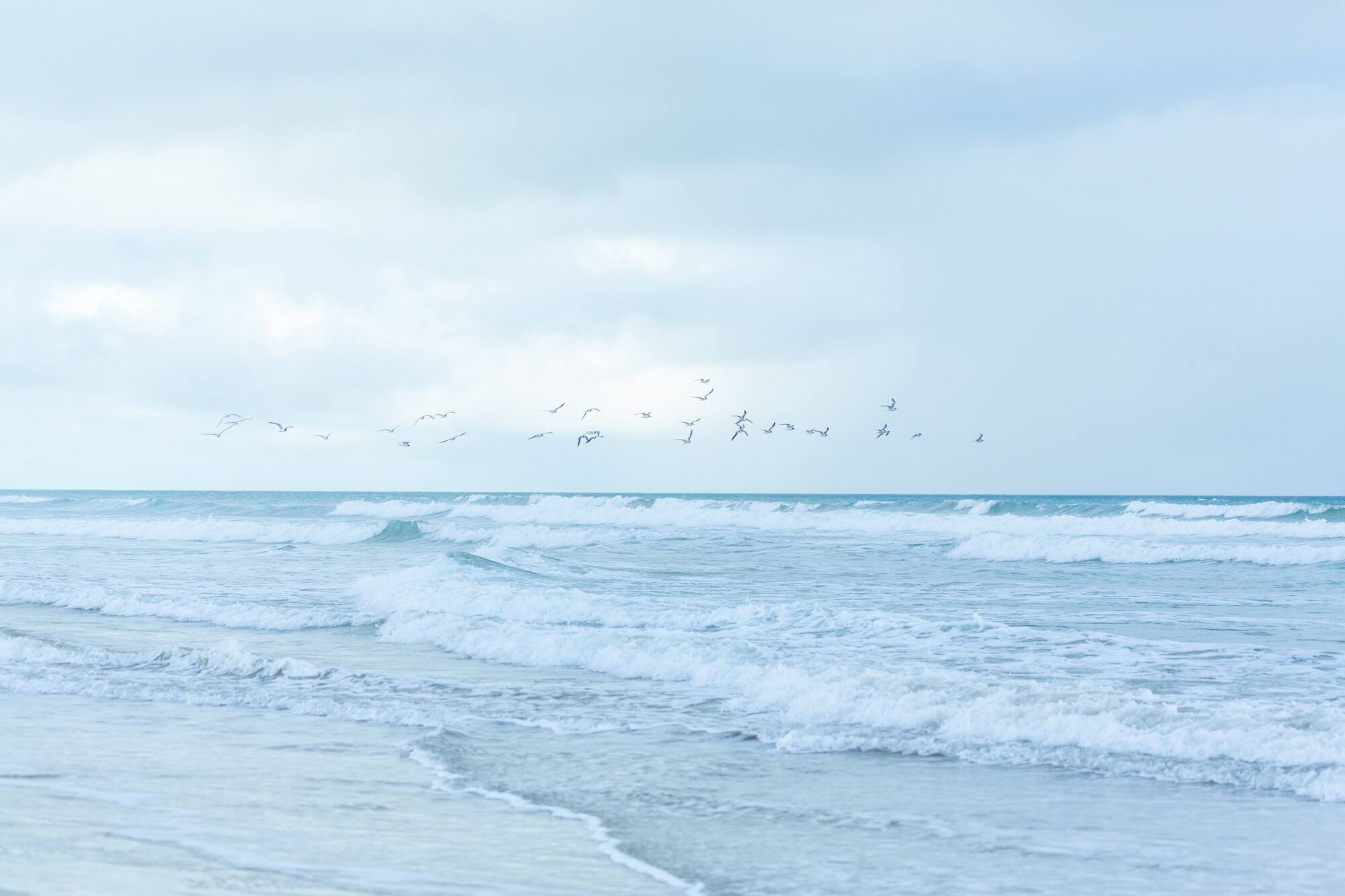
For longer than humans have existed, the ocean has shaped the weather and climate across the planet. Ocean currents circulate heat and moisture between tropical and temperate regions, shaping local climates and providing fuel, in the form of evaporation, for life-giving rainclouds.
Now, in the age of human-caused climate change, the ocean acts as a critical buffer against rising temperatures—but we’re starting to push its limits. As the ocean warms, not only will it cause havoc for underwater ecosystems and marine life, it will also add to a feedback loop that hurts life on land, too. Oxygen-producing microorganisms will die off and coastal carbon sinks like mangroves will start to break down, causing even more carbon dioxide to release into the atmosphere.
A warming ocean poses a dangerous tipping point in the fight against climate change. But if we work to keep the ocean healthy and diverse, it can remain one of our best allies in stabilizing the climate.
The ocean can help feed a growing world
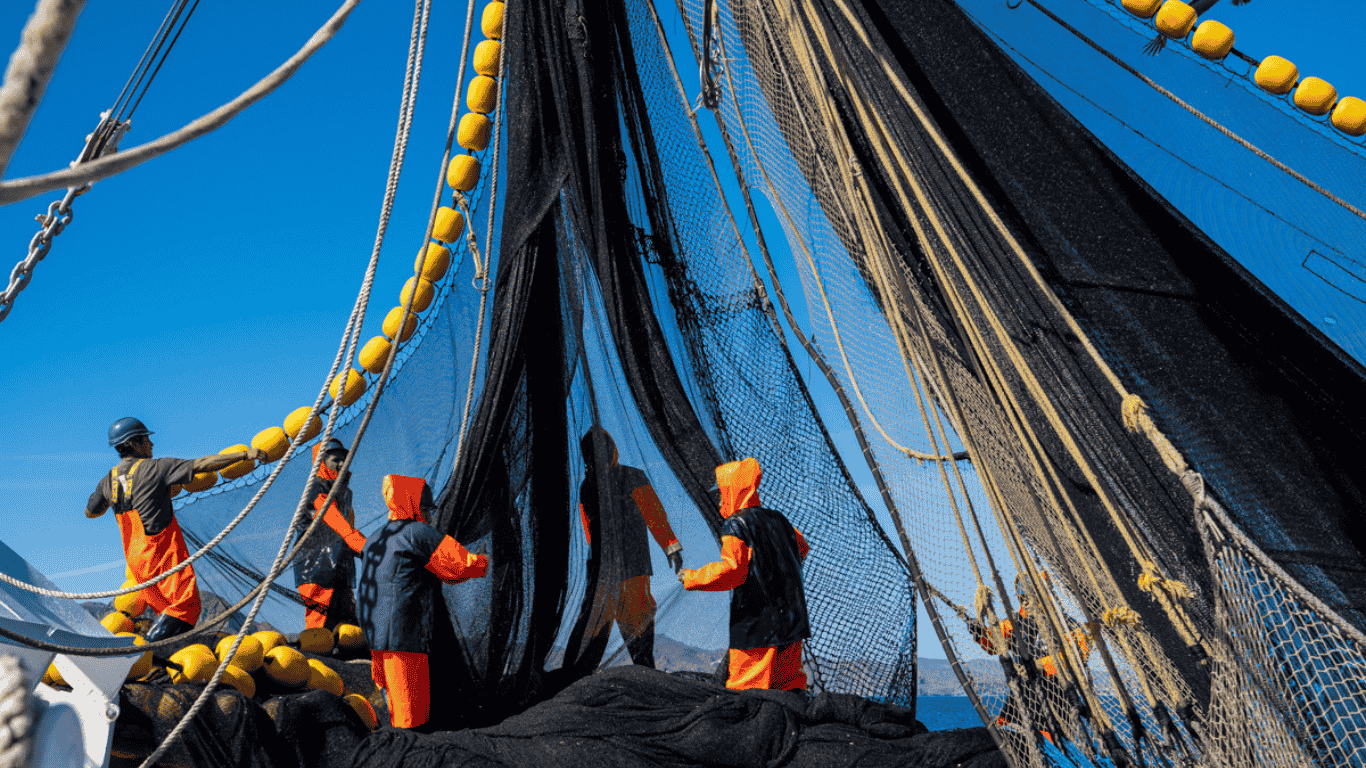
Everyone deserves to have access to sufficient, nutritious food. As the planet’s population grows and feeding the world becomes increasingly challenging, seafood can play an important part in bridging the gap—if we do it sustainably.
Food from the ocean, including wild-caught fish and aquaculture (or fish farming), requires less land use and fewer CO2 emissions than most animal protein sources. Today, about 3.3 billion people get at least 20% of their protein from fish, and fishing is also an important source of income in many communities. Seafood has the potential to give more nutrition to more people, but only if we prioritize sustainable fishing.
Protecting the ocean with sustainable fishing
Today, unsustainable fishing practices are putting ocean ecosystems and the future of our seafood at risk. These include:
- Overfishing – catching too many fish, too fast, so that surviving adult fish can’t maintain a healthy population;
- Bycatch – unintentionally caught fish and may be too small, undesirable, or even endangered.
When fishing isn’t sustainable, fish populations can drop below the level where they’re able to reproduce and replenish themselves. In these cases, it means less food for people and potentially harmful ripple effects throughout the ecosystem.
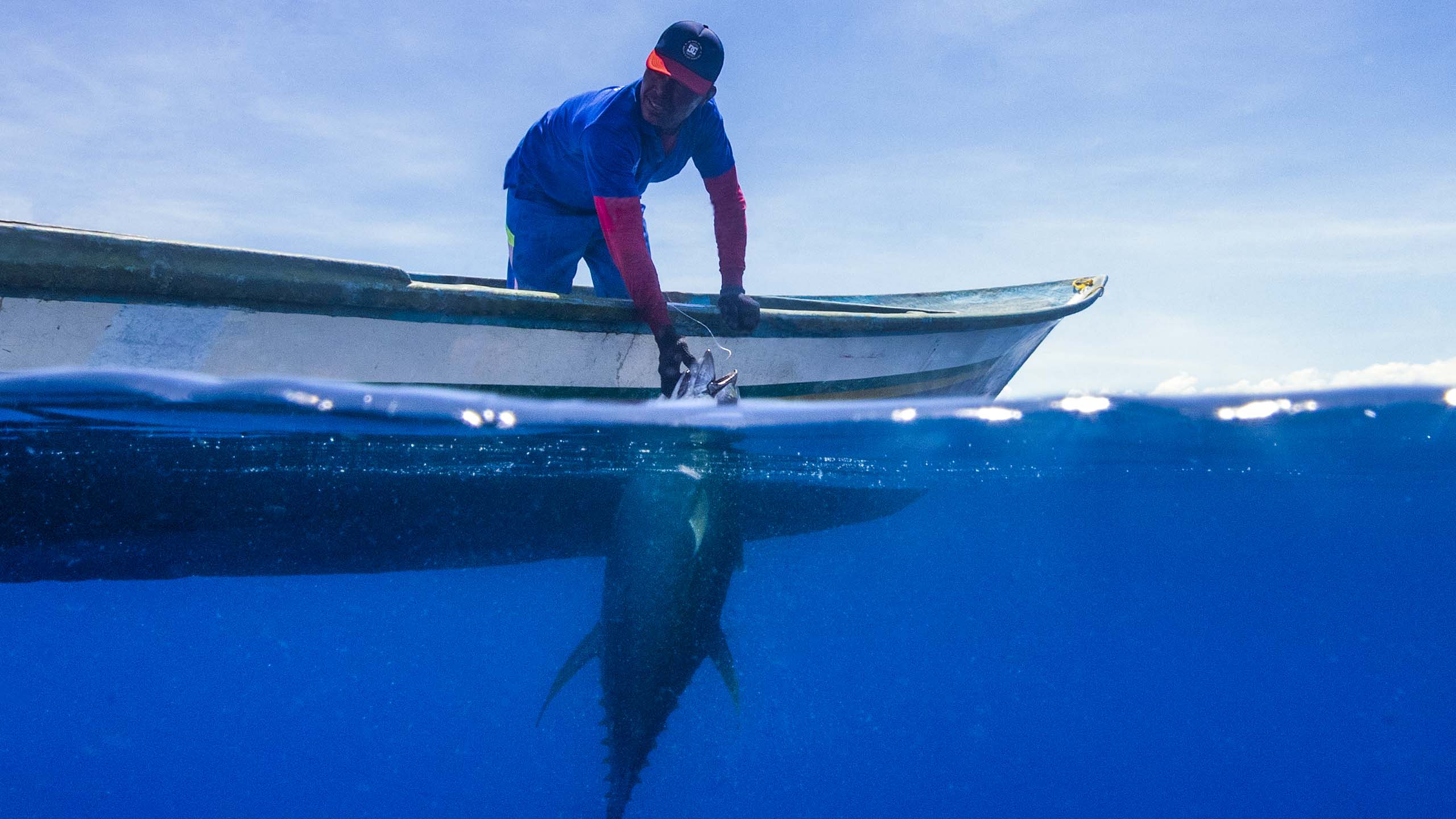
The MSC mission is to promote environmentally sustainable fishing. This means researching, monitoring, and managing fish stocks to prevent overfishing, and using safer catch methods to reduce bycatch, so that fish populations can stay stable and self-sustaining. Fishing sustainably today helps ensure there will be fish for everyone in the future.
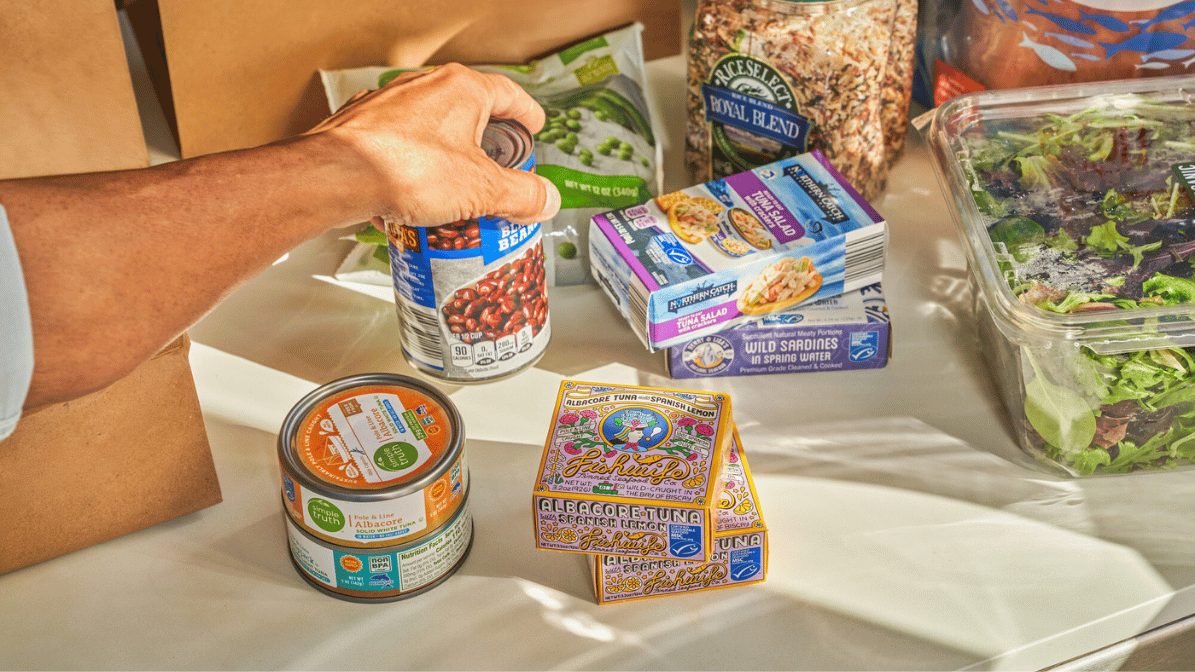
One easy way you can help protect the ocean is to buy certified sustainable seafood. Look for the MSC blue label as an easy way to find sustainably sourced wild-caught seafood.
Go blue this Earth Day
Earth Day has always been about protecting the planet—the whole planet. While land-based ecosystems typically are the focus of Earth Day, it’s impossible to separate the ocean’s importance from the rest of nature. All of Earth’s systems are deeply interconnected, and if we want to save the planet, we also need to focus on saving the ocean.
So when you’re looking at ways to go green this Earth Day, don’t forget to celebrate the blue, too!