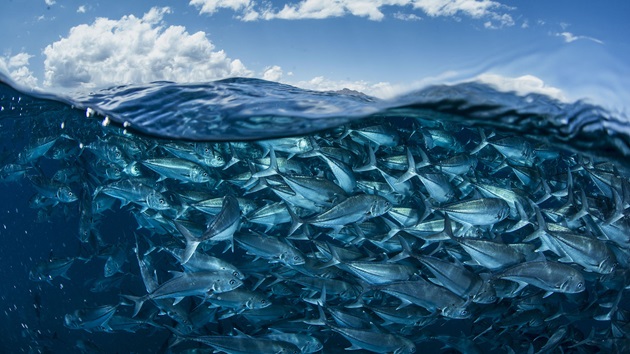
In 2011 jack mackerel stocks targeted by Chilean fishers collapsed. Now Chile has a certified sustainable fishery and a healthy fish population.
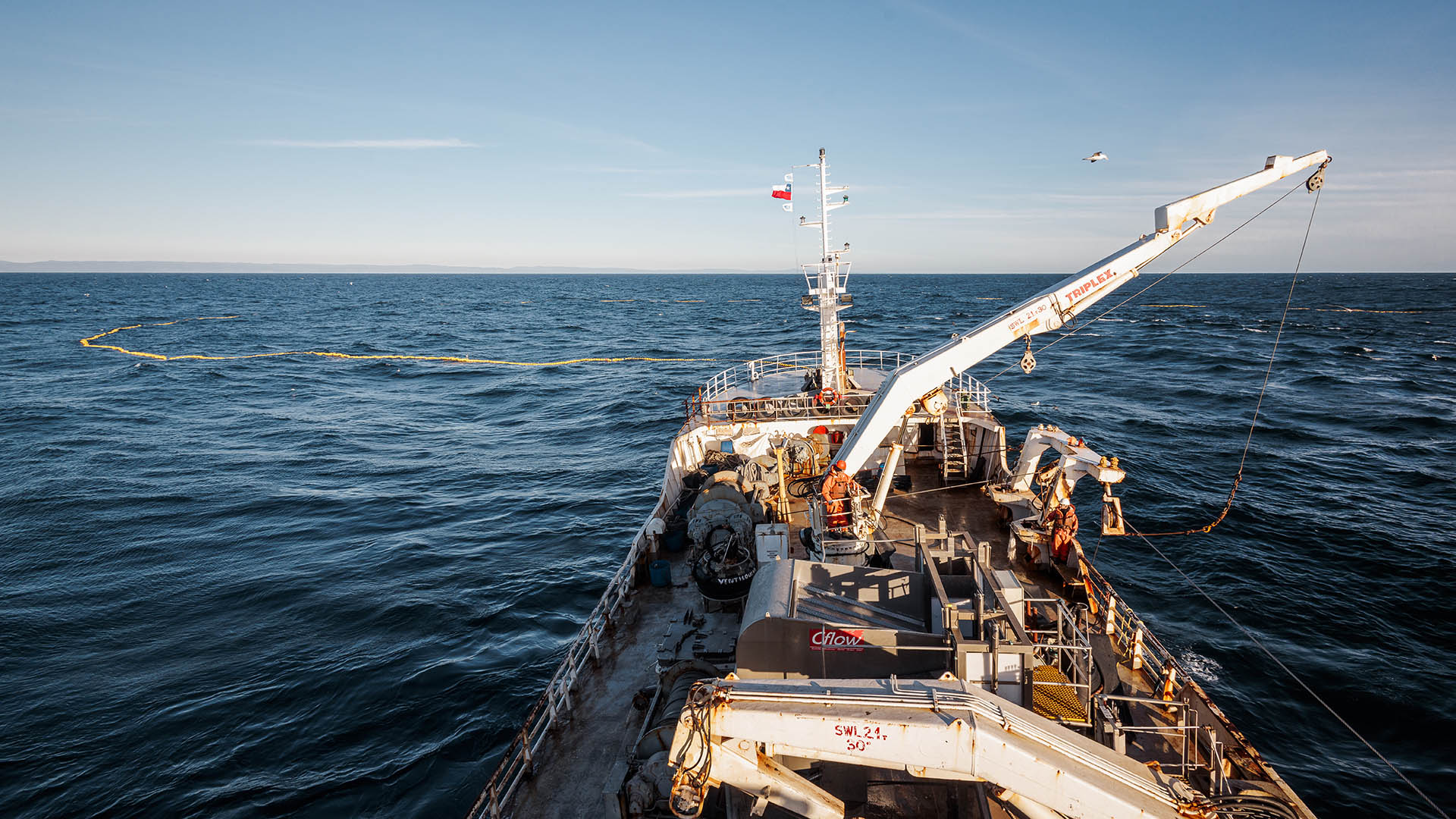
“It was believed to be a species that would last forever,” recalls Andrés Daroch, a business owner in the fishing sector. Daroch witnessed the once abundant Chilean jack mackerel collapse after overexploitation by fleets in the South Pacific.
At its peak, the fishery landed more than four million metric tons (MT) of jack mackerel. Overfishing in the 1990s led to tough quotas and extreme competition between companies. Daroch remembers a time in the early 2000s when a whole year’s quota was landed in just 20 days. He compared it to a birthday party when the piñata breaks. "Everyone would rush out. The more efficient and faster ones would catch more," he says.
By 2011 the stock had collapsed and fishers could only catch a maximum of 350,000 MT. This was devastating for fishing-dependent communities in coastal towns.
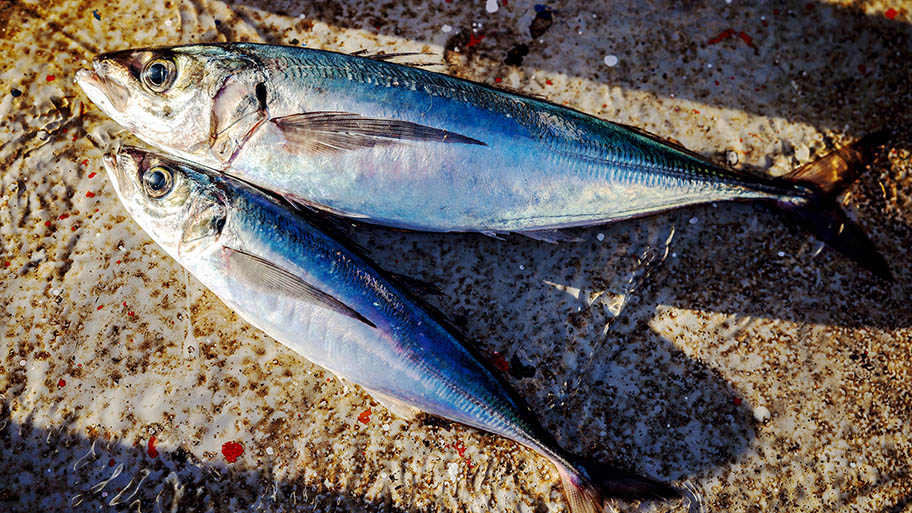 Freshly caught jack mackerel © Ernie Enkelaar / MSC
Captain Elvis Macaya says it was a social crisis. “[It] endangered our employment, it was a critical period in which jack mackerel was heavily exploited, both by us and the foreign fleet.”
International agreement and recovery
Jack mackerel are migratory fish. They can be found from the Chilean and Peruvian coasts all the way to New Zealand and south Australia. Because of their cross-border lives, only international cooperation could save the species. In 2013, the South Pacific Regional Fishing Management Organization (RFMO) made an agreement between 10 nations.
While following the RFMO’s precautionary management measures, a Chilean fishing association sought MSC certification. But they couldn’t meet the Standard until the species recovered. It took a long time, but the fishers persevered. Allan Carrasco, sustainability manager for Orizon, said it was worthwhile, though. Because "third-party validation confirms that we genuinely practice what we preach,” he said.
Certification and improvement
The Chilean fishery finally gained certification in 2019. Thanks to good management, the health of the jack mackerel stock improved faster than scientists expected. Macaya, who captains Orizon’s San Jose vessel, says: “In the last five years we have had an abundance we haven't seen since the 1990s.”
Fishers don’t take these natural resources for granted and want to prevent disaster from ever happening again. They now precisely target mackerel using sonar and echo equipment. This allows them to accurately pinpoint locations, identify species, and determine size before ever casting a net.
 Captain Abdel Agüile Gorayeb © Ernie Enkelaar / MSC
The European market
On the other side of the world, the sustainability of mackerel in the North East Atlantic (NEA) is a concern. When fisheries lost their MSC certification many in the supply chain lost an important source of sustainable seafood.
German business Followfood prides itself on its sustainability. The MSC Standard is the baseline for all its fish products. "We suddenly couldn’t source certified NEA mackerel" says its deputy managing director, Julius Palm. But Chile provided a solution. "We lost money but we made a short-term sacrifice for long term gain. Since switching to Chilean jack mackerel we have more credibility, more sales, and more clients."
Coastal states in the North East Atlantic could learn from the lessons of the collapse and recovery in Chile. The industry suffered when they had to severely reduce fishing, but they realized it could only survive if changes were made. Today their world-leading sustainable fisheries management and international co-operation hasn’t just boosted the health of jack mackerel populations. It is good for business and seafood eaters, too.