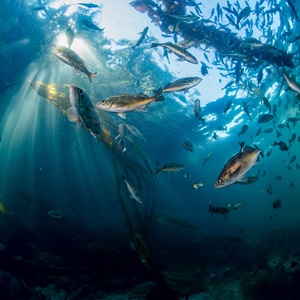
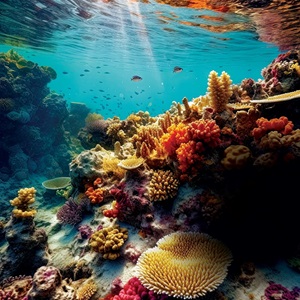
Seafood is widely regarded as a healthy choice; it’s high in protein and good fats and is packed full of important vitamins and minerals that are hard to get elsewhere. Plus, wild-caught seafood doesn’t have the hefty environmental impact that many other high-protein foods have. When compared to land-based animal proteins like chicken and beef, wild caught seafood has a lower carbon footprint, and requires no land, fresh water, fertilizers, or feed.
And, when fisheries are well-managed, they can provide generation after generation with a sustainable food source. Looking for the MSC blue fish label is a great way to make sure you can get the benefits of seafood while supporting well-managed, sustainable fisheries that don’t leave a lasting impact on the ocean.
So, how does shrimp stack up?
Is shrimp healthy and sustainable?
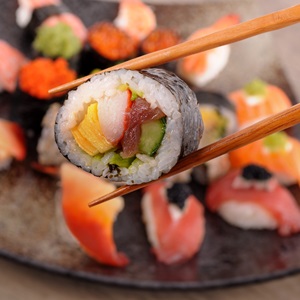
Shrimp, salmon, and canned tuna are continually trading places for the first, second, and third most popular seafood choice in North America, and for good reason! These three in particular are easy to find, delicious, and versatile.
And when you find shrimp with the MSC blue fish label, you’re getting the added bonus of a healthy seafood option that’s supporting ocean health.
Wild-caught shrimp is good for you
Shrimp is a low calorie, high protein option. In fact, a three-ounce service of shrimp packs a whopping 25 grams of protein! Shrimp is also high in iodine, selenium, and vitamin B12, which are important for heart, immune, and thyroid health.
Shrimp also provides the antioxidant, astaxanthin, which is the substance that gives shrimp (and other crustaceans like krill and lobster) their iconic pink color. Astaxanthin helps reduce oxidation, which plays a role in healthy aging, slowing cancer growth, and preventing heart and eye diseases.
These health benefits make a package of shrimp a great thing to keep in your freezer for easy, heathy weeknight dinners. And when that package comes with the MSC blue fish label, you can be sure the shrimp is wild-caught and comes from a certified sustainable fishery.
MSC certified pink shrimp is good for the ocean
Because shrimp is so popular, it’s extra important to ensure its caught in a way that doesn’t cause lasting harm to the environment. Luckily for shrimp lovers, there are more than 20 MSC certified shrimp fisheries around the world that are committed to sustainable fishing practices.
That all started back in 2007 when the US West Coast Pink Shrimp (Pandalus jordani) Trawl Fishery became the first shrimp fishery in the world to achieve MSC certification. Ever since, it has been an industry leader when it comes to reducing bycatch.
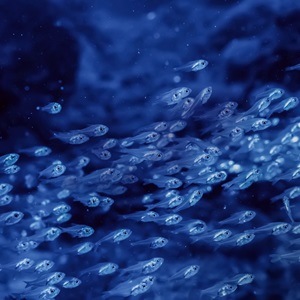
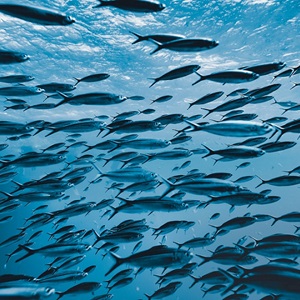
Candlefish (also known as eulachon) are a small, silvery fish that is classified as threatened under the USA Endangered Species Act. Found in the eastern Pacific Ocean in similar habitats as pink shrimp, candlefish could easily get caught in shrimp trawls.
To achieve and maintain MSC certification, fisheries are required to minimize interactions with species they don't want to catch, so they look to innovative technology such as light and acoustic devices to make their fishing more sustainable.
Research by the Oregon Department of Fish and Wildlife in 2014 found that placing LED lighting on the bottom ropes of shrimp nets reduced unwanted catch of candlefish by 80-90%. These research findings have led to 100% of vessels in the area adopting the use of LED lights.
While scientists are unsure exactly how the LED lights manage to guide candlefish away from the nets, the best theory is that the light illuminates an escape path or that it warns the fish to move downwards under the net.
So, the next time you see the MSC blue fish label on a package of pink shrimp, you’ll know it came from a fishery that reduces bycatch and works hard to limit their impact on the environment.

.tmb-thumb300.png?Status=Master&Culture=en-US&sfvrsn=99d138bd_1)