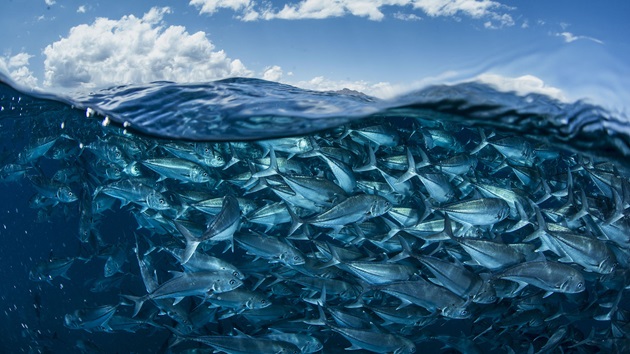
Sustainable management has helped Namibia’s hake fishery thrive. Now fishers and scientists are testing new ways to reduce unintended interactions with Cape fur seals, protecting livelihoods and marine wildlife.
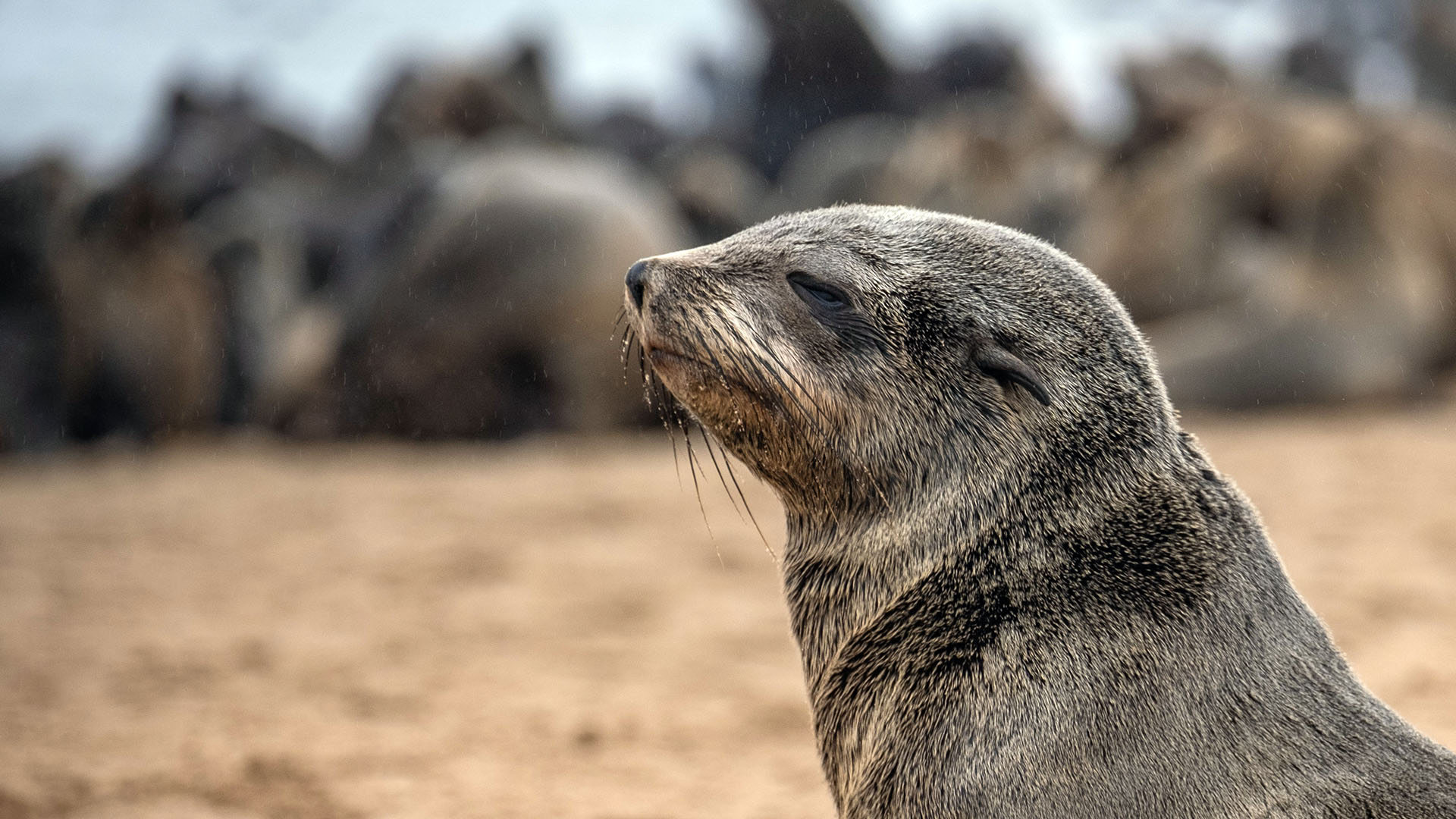
Along the Nambian coast, where vast desert-like stretches of sand meet the Atlantic Ocean, the wildlife is abundant. Attracted by seas teeming with fish, colonies of up to 100,000 Cape fur seals punctuate the shoreline in breeding season. They're accompanied by 30 bird species and jackals roaming the shore. This haven for wildlife is a finely balanced ecosystem.
Fishing in Namibia
- 7% of the Namibian gross domestic product comes from fishing.
- 16,000 people directly employed in the hake industry
- 50,000 local livelihoods supported by the Nambian fishing sector.
Before Namibian Independence in 1990, stocks were overexploited by international fleets. Since then, Namibia has made remarkable progress rebuilding its fishing industry. Today, hake stocks have doubled in size from their overfished low. Targets are set in line with scientific advice, and harvest strategies are working. It has taken decades of collaboration between government and industry to reach this point.
The commitment to sustainability was rewarded in 2020 when the Namibian hake trawl and longline fishery became the first in the country, and only the second in Africa, to meet the MSC’s Standard for sustainability. It was recertified in early 2026. Though challenges still remain. Warming seas, climate change, and overfishing all threaten to disrupt the ocean’s natural equilibrium.
Fishing and fur seals
A local challenge for hake fishers concerns the Cape fur seals. These opportunistic and highly adaptable mammals feed on small-to-medium sized fish, like sardines and hake. But they'll eat anything from shrimp to rays and even sharks. Males can dive up to 650+ feet to catch fish. But why go to such lengths when they can follow fishing vessels to grab an easy meal?
"The seals associate the vessels with a free meal, and it’s a challenge to the fishermen. So, it’s in their interest to try to keep seals at bay," says Michael Marriott, Program Director for Africa, Middle East and South Asia at the MSC. Incidents occur when seals swim close to hake fishing vessels and prey on the fish. They can get caught on fishing lines, in trawlers’ nets and in discarded fishing gear.
"Seals are a big problem for fishers in Namibia. We don't have anything against seals, but they eat a lot of fish and affect the fishing industry. We need to address that," said Wayne Forbes, a hake fisher of 35 years.
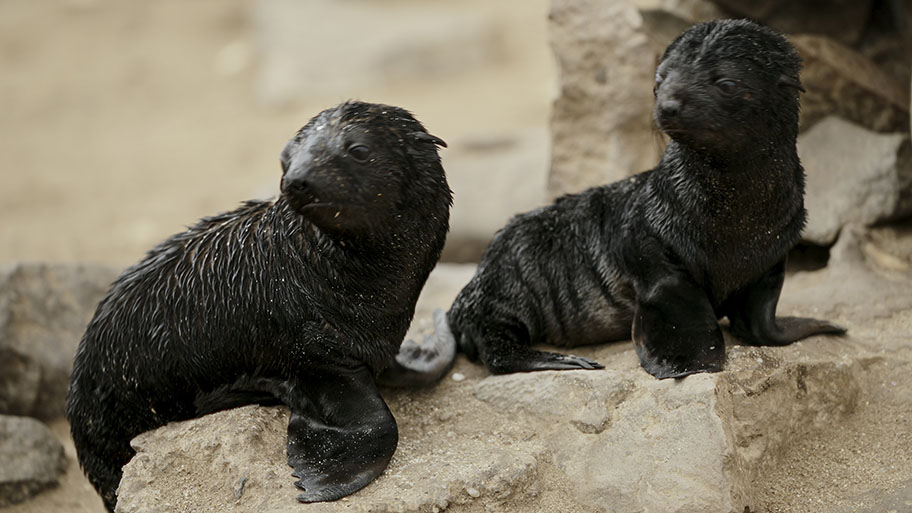
Pups and juveniles are most affected. Entanglement can lead to impaired feeding and in some cases, death. According to Ocean Conservation Namibia (OCN), more than 2,000 seals were disentangled between 2020 and 2022. The nonprofit says that many animals make full recoveries, largely thanks to saltwater’s antibacterial qualities.
"Saltwater is actually the best thing for them,” says Naude Dreyer, co-founder of OCN. But an effective deterrent would be even better. "That would be brilliant because it will reduce human-seal interactions," Dreyer said.
Making a noise and minimizing interactions
Clearly, it is better that the seals avoid becoming entangled in the first place. And MSC certification requires fisheries to minimize their interaction with marine mammals.
To this end, the Namibian hake fishery is exploring acoustic deterrents. Much of the existing technology in this field is unwieldy and its results can be limited if animals get used to the noise. But, with support from the MSC’s Ocean Stewardship Fund, bio-acoustic expert Thomas Götz of St Andrew’s University is trialing an advanced system: targeted acoustic startle technology (TAST).
The technology emits a noise at a bandwidth that triggers a natural reflex in seals' brainstems called the startle response. This is an involuntary reaction to sudden, unexpected stimuli. “Basically, it’s that sudden flinching response when you hear an unexpected sound with certain acoustic properties,” says Götz.
Sending the right signal
An objective of the project is to investigate what the optimal signal type is to keep Cape fur seals away from hake fishing boats. Initial tests show consistent results where the seal flinches, dives, and leaves the area.
"This project can make a huge difference by allowing us to further develop tools to prevent marine mammal bycatch," says Götz.
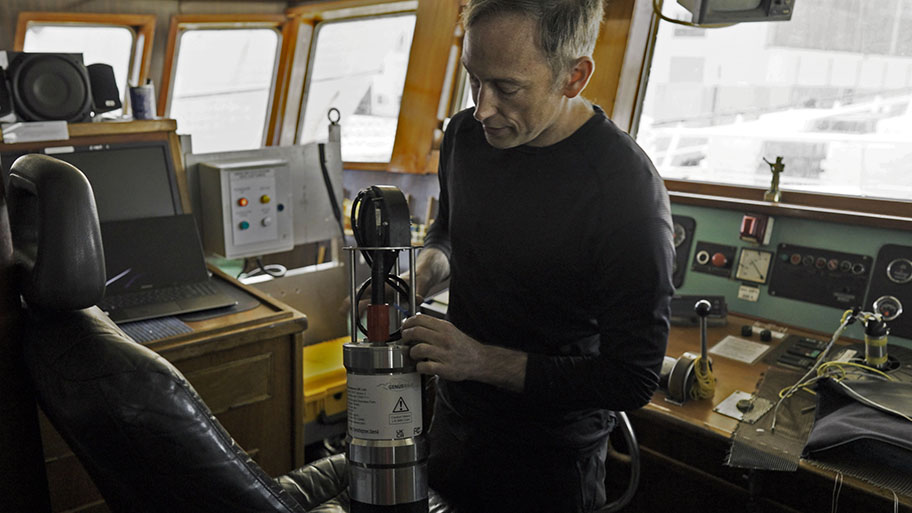
The project will also analyze data on the frequency of interactions. The fishery needs to know how much of the hake quota is being caught by the fishery and by the Cape fur seals. The outcomes could provide valuable insights for other fisheries facing similar challenges.
Understanding the ecosystem that a fishery exists within is vital to successful management. This requires gathering information and close collaboration between fishers, governments, the scientific community and conservationists.
"It’s very important that sustainable fisheries become the standard for everybody else," says Naude Dreyer. "Because irresponsible fisheries could contribute to the collapse of the ocean and that will threaten not just the seals, but the jackals, the birds, and everything else around it too."
“As a fisherman, sustainability is a big thing for us," says Wayne Forbes. "It’s vital for all Namibian companies to protect our oceans by not overfishing and so future generations are able to fish."
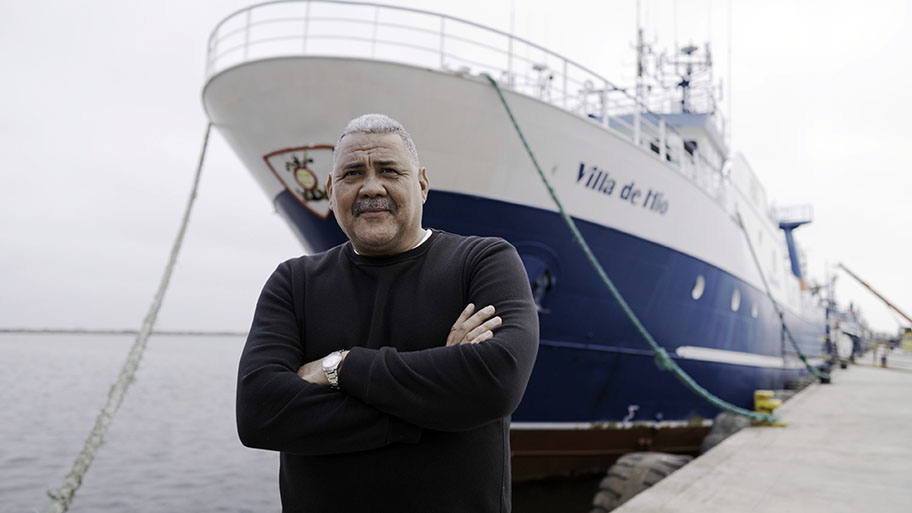
Since the writing of this article, we were deeply saddened to hear of the passing of Captain Wayne Forbes in December 2025. His long‑standing commitment to responsible, sustainable fishing made a lasting contribution to the industry, and his impact will continue to be felt for years to come.