Sustainable fishing helps secure fish stocks and build long-term resilience.
Water covers 70% of the world’s surface. Because of its vastness, people used to think of the ocean as an infinite resource. But we know better now. Overfishing can destroy species, ecosystems, and the communities that rely on fishing for nutrition and livelihoods. New insights shared on World Ocean Day found that 86% of people are worried about the state of the ocean, and understandably so.
But there is hope. We can learn a lot from wild-capture fisheries that have helped once at-risk stocks recover. Today they are providing protein and jobs for millions worldwide, while protecting fish for the future.
Here are six lessons learned by real fisheries whose sustainable approach continues to keep the stocks they fish healthy.
1. Collaboration
How many skippers does it take to save sardines?
Small oily fish, like Pacific sardines and thread herring, were once abundant in the Pacific waters of Baja California. But overfishing in the 1980s led to their collapse.
As an important food source for birds, larger fish, and marine mammals, this was a disaster for animals and fishers alike.
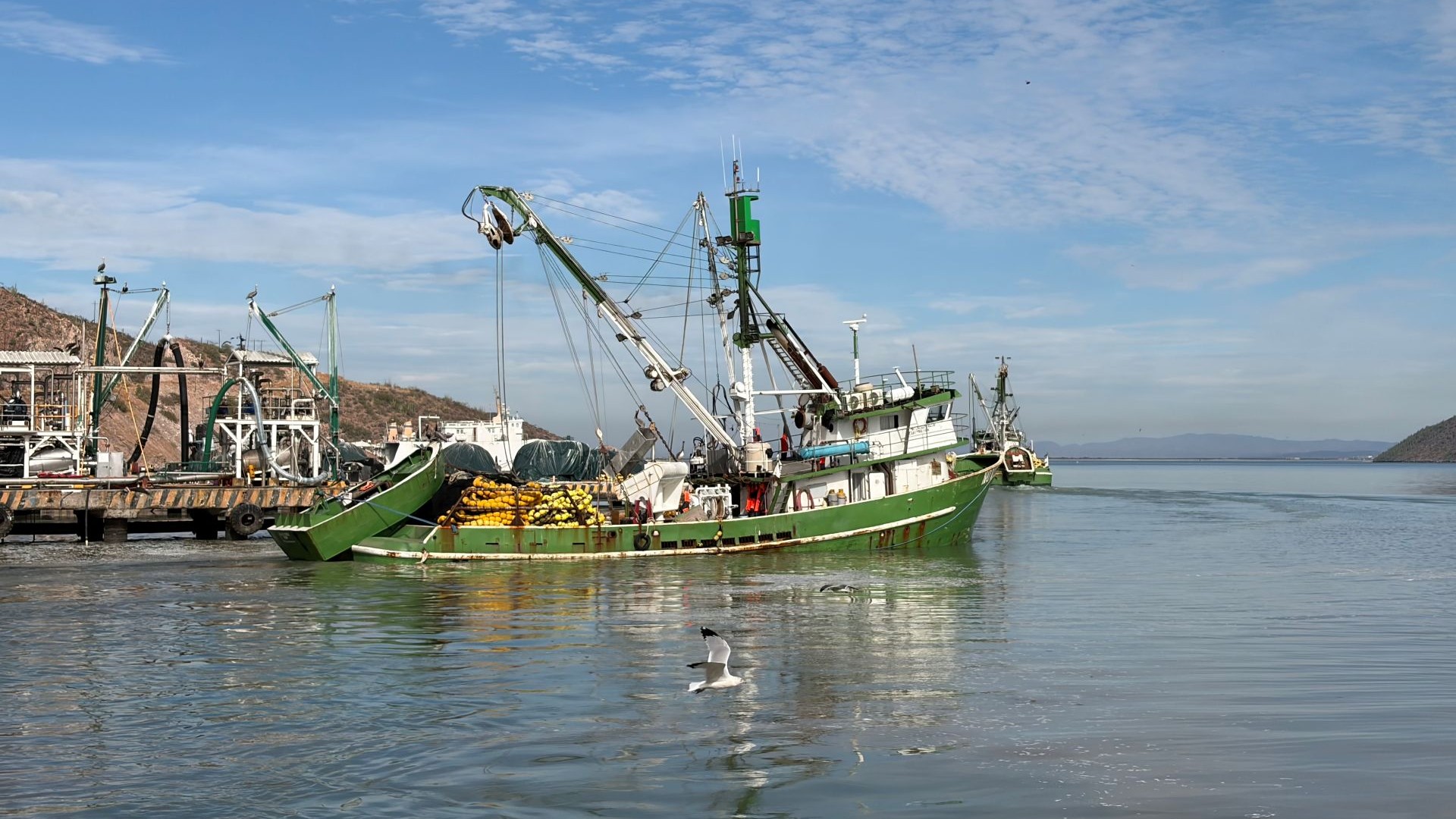
These stocks are particularly sensitive to sea surface temperatures and ocean currents. So, to rebuild them, fishers created an early warning system. Skippers from 50 vessels now work together. They collected and share catch data in real-time so if limits are reached for one of the species, fishing must stop for all.
2. Maturity
A Celtic Sea nursery for young hake.
When the numbers of Cornish hake reached a historic low in the early 2000s, scientists realized there weren't enough females left to reproduce. It's impossible to have a healthy population without breeding aged females.
With support from the EU, local fishers introduced a new plan that allowed young fish the chance to grow up in “the hake box.” The hake box is the nickname for a large nursery area in the Celtic Sea. The fishery also implemented catch and size limits and reduced bycatch of small hake.
By simply increasing the mesh size of their gillnets by a few millimeters, smaller hake can now escape fishing nets. These combined efforts helped the hake recover. The volume of mature females in the stock increased by over 300% between 1998 and 2025.
3. Community
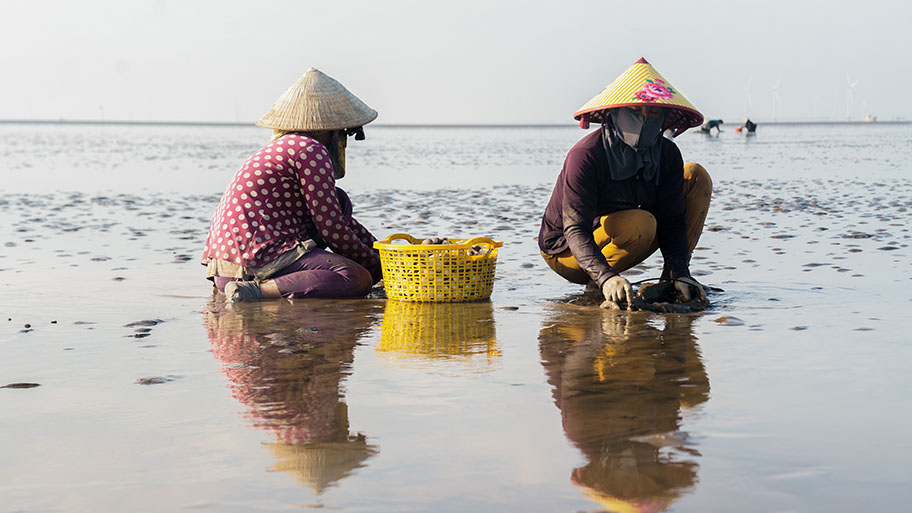
Happy clams keep traditions alive in Vietnam.
Once, illegal harvesting of clams and loss of mangrove forests in Southern Vietnam threatened the area’s Asiatic hard clams. But today the community is actively involved in the sustainable management of their marine resources. They’re proving that traditional methods of fishing sustainably can still be effective.
Over 9,000 people are part of a cooperative that harvests the clams by hand on the mudflats of the Mekong Delta. An elected ‘clam committee’ regularly evaluates the stock and habitat and works with the local government to agree on a harvesting strategy for the year ahead.
Only clams that have reached a specific size can be harvested, and 15-20% of the clams must be left to reproduce. The locals continue to improve the environment by replanting trees which filter water, buffer waves and wind, and provide nutrients for clams.
4: Data
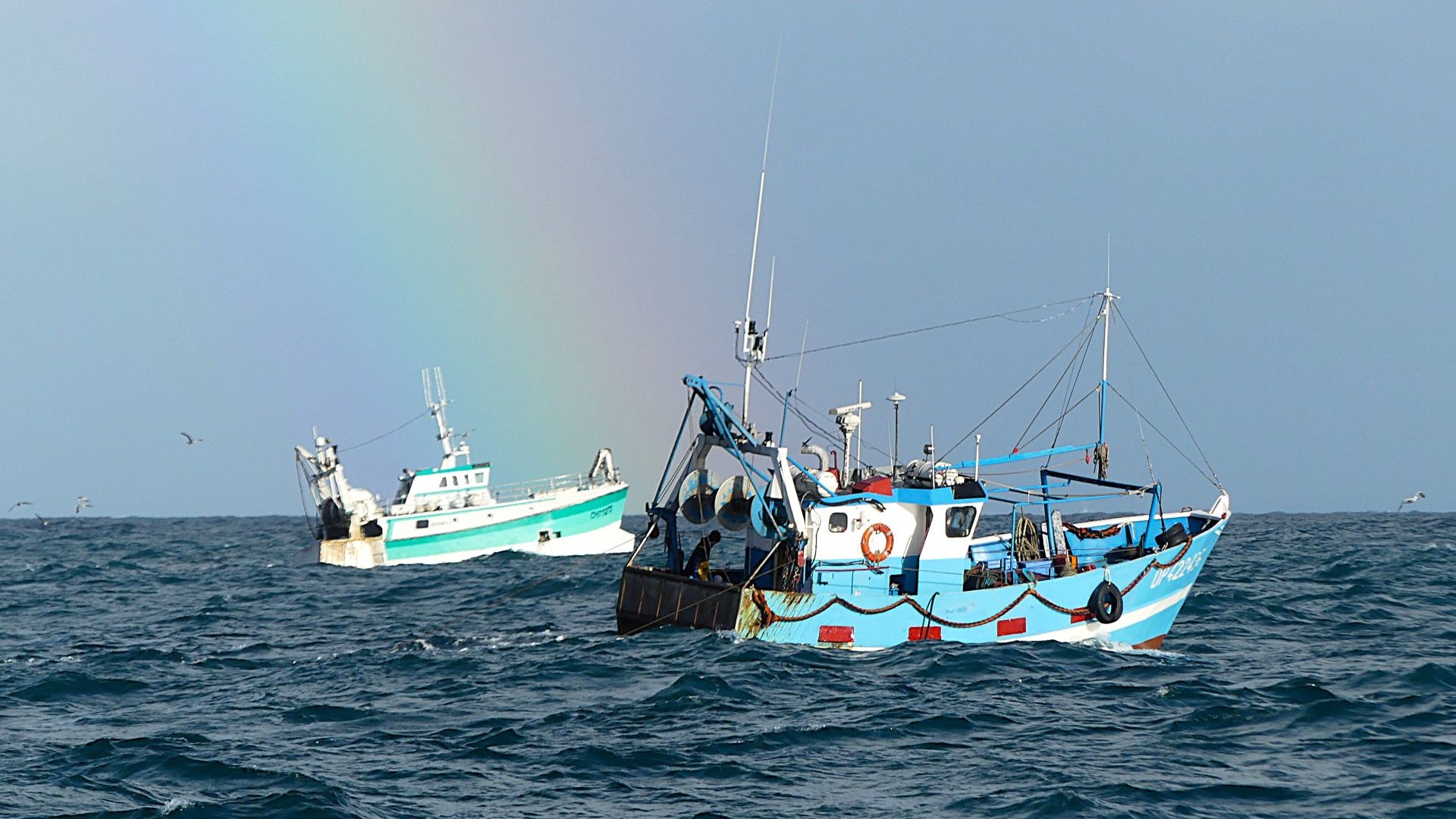
Fishers team up with scientists to survey scallops.
Scallop fishing is a seriously scientific matter in Northern France. Every year, researchers gather data on the weight, size, and distribution of one-year-old scallops. These surveys are then used to set a sustainable management plan for the next fishing season.
Size matters when it comes to scallop sustainability.
Restrictions are in place to ensure scallops are only caught once they've matured and reach a specific size. Fishers must use dredge nets that allow undersized scallops to escape. Plus, each scallop is measured by hand to check the minimum size is met.
The fishery also operates a rotational system for the scallop fishing grounds – much like farmers and their fields. These ‘fallow’ periods ensure young scallops are left undisturbed. This allows them a safe place to mature into adulthood, reproduce, and replenish the stock.
5: Unity
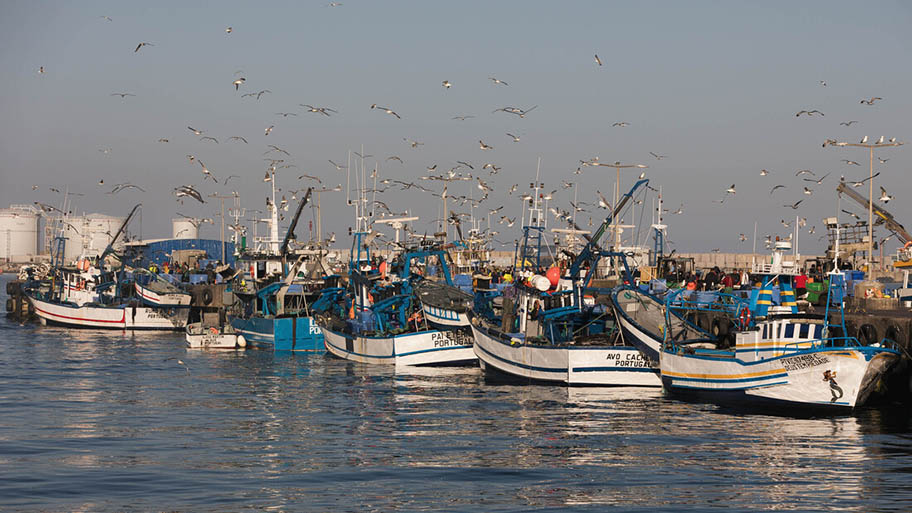
Two countries unite to rescue Iberian sardine.
Portuguese and Spanish fishers worked together to bring the iconic Iberian sardine back from the brink. The sardine stock was in a critical state of decline where the catch rate exceeded sustainable levels.
The Portuguese and Spanish fishers united in to rebuild their beloved sardines and developed a new, science-based management plan. This included seasonal closures and setting annual catch limits based on the best available data.
These robust measures – and several years of favorable environmental conditions – helped the sardines recover. By 2025, the size of the stock was estimated to be four times greater than in 2015.
6: Limits
Fishers choose to catch less hoki to protect the stock for the future.
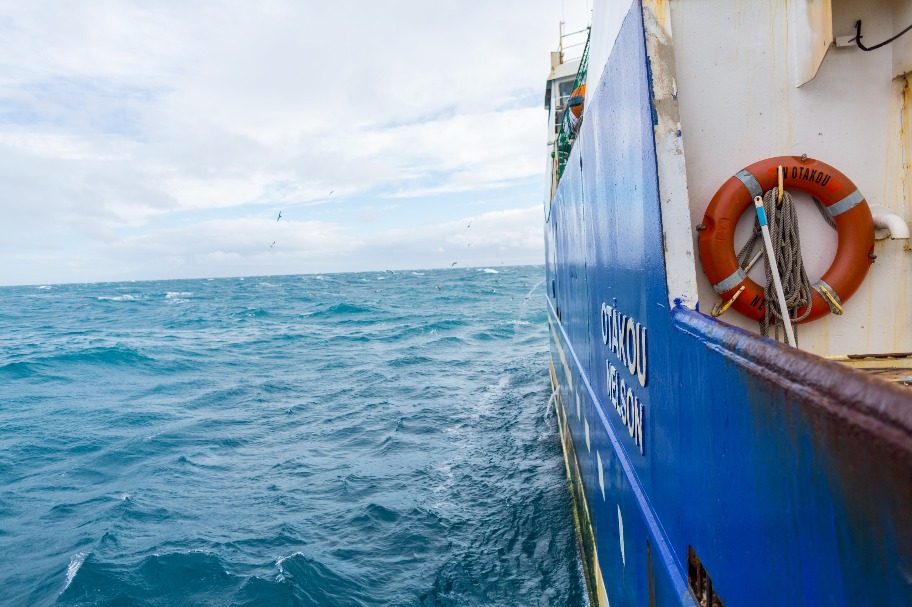
When fishers in New Zealand noticed fewer hoki than expected, they took swift action to protect the stock.
The industry agreed to voluntarily reduce their catch limit below the government’s recommended level. Since 2018, catch has been reduced by 60,000 metric tons. To further protect the hoki stock, fishing was prohibited in areas with high numbers of young hoki. Research is also underway to customize management strategies. There are genetic differences between the east and west hoki populations and need to be managed differently.
The New Zealand hoki fishery has long been at the forefront of sustainable fishing, and in February 2026 it achieved its fourth recertification to the MSC Fisheries Standard.