


Are sardines sustainable?
At the MSC, we measure sustainability on a fishery level, not a species level.
Short answer: if your sardines have the MSC ecolabel, they're environmentally sustainable!
That means enough sardines are left to continue reproducing, they were caught in a way that minimizes environmental impact, and they come from a well-managed fishery so any changes to the population or the environment are monitored and can be responded to as needed.
Did you know?
While the main use of sardines is for human consumption, they have many other uses. Sardines are used as fishing bait as well as for fish meal that is used in animal feed. Sardine oil is used in margarine in Europe, and it can also be used to manufacture paint, varnish, and linoleum worldwide!
Are sardines healthy?
Sardines are an excellent source of omega-3 fatty acids, vitamin B-12, calcium, and other important minerals.
What are sardines?
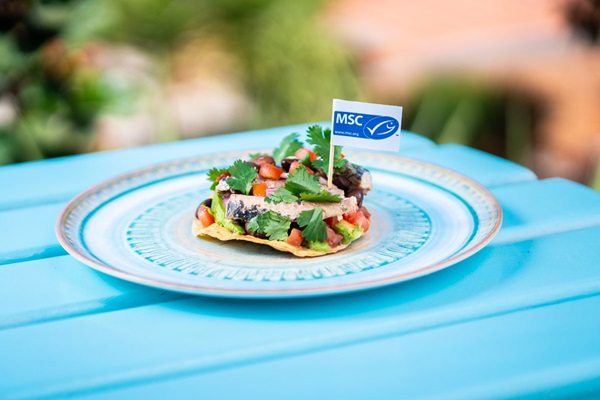
Sardines are small fish that grow up to a maximum of 10 inches (25cm). Sardines have a strong flavor and are oily and soft in texture. They can be bought and prepared in various forms, altering the taste and texture greatly. They are a popular seafood choice around the world. In India, they are typically eaten fresh and fried or made into curries, while in the Philippines they are often eaten dried and dipped in vinegar or fresh and simmered in a spicy tomato sauce for breakfast. In North America, they're most often found in tins and can be used to elevate your charcuterie board.
Where to find sustainable sardines
MSC certified sardines can be found in most grocery stores or online retailers. Don’t forget to check the canned foods aisle! And learn how to become an expert on finding environmentally sustainable seafood with our Where to Buy page.

More about sardines

Sustainable Sardines: Small in Size, Big in Impact
Sardines might be small in size but they pack punch when it comes to health and sustainability.
Everyone Eats Sardines
From humans, to other fish, seabirds, and even livestock, sardines are a great source of protein for the planet...