


Every year, we spend a few days at aquariums in North America to celebrate World Ocean Day and chat with people about environmentally sustainable seafood (👋Ripley’s Aquarium of Canada and Point Defiance Zoo & Aquarium in Seattle).
And we often get a variation of the same question:
Is wild seafood better than farmed seafood?
It sounds like it should have a simple yes/no answer. The short answer is: Both wild-caught and farmed seafood can be environmentally sustainable and we need both.
Neither “wild” nor “farmed” automatically tells you whether seafood was produced sustainably. What matters is how the seafood was caught or farmed, how its impacts are managed and whether its sustainability claims have been independently verified.
Is sustainable wild seafood important?
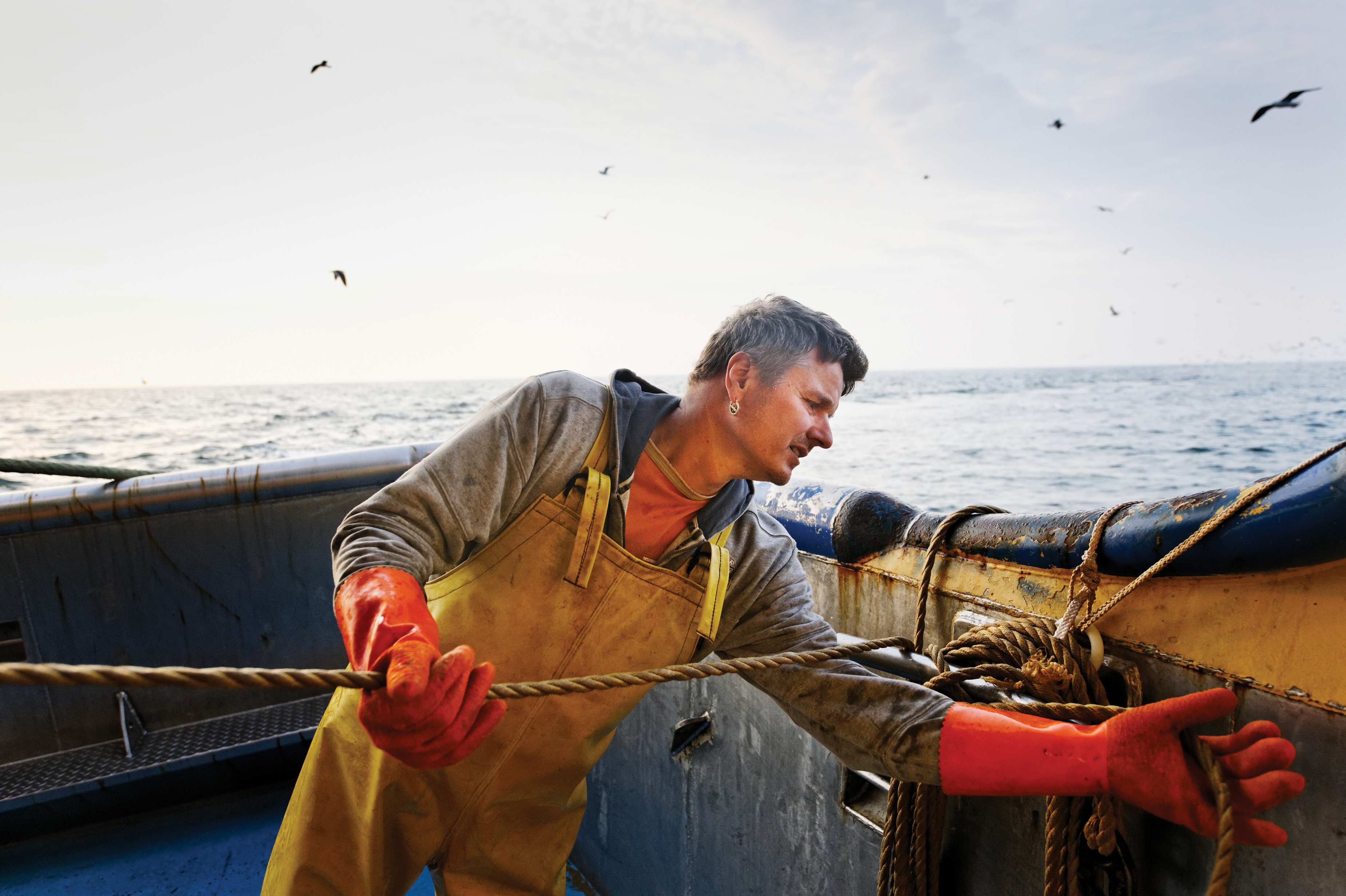
Wild seafood connects us to the natural wonders of oceans, lakes, and rivers. When fisheries are managed sustainably, they provide food security and support communities while allowing fish populations and marine ecosystems to remain healthy and thrive.
But wild fish populations are not unlimited. Fishing pressure, bycatch, habitat impacts and a changing climate can all affect the health of a fishery. Sustainable fishing requires good scientific information, clear rules, and the ability to adjust when conditions change.
Fisheries assessed against the Marine Stewardship Council (MSC) Fisheries Standard must demonstrate that:
the fish population is healthy and productive
fishing minimizes impacts on habitats, other species and the wider ecosystem
the fishery has an effective management system that can respond to changing circumstances
MSC certification is fishery-specific. That means an entire species is not automatically sustainable or unsustainable. Sustainability depends on the population being fished, where it was caught, the fishing method used and how the fishery is managed. Independent assessment and annual audits confirm a fishery’s performance over time and also encourage ongoing improvements.
Is sustainably farmed seafood important?
Aquaculture, the farming of fish, shellfish and aquatic plants, is another important source of global food security.
Unlike wild-caught fish, which depends on naturally occurring populations, aquaculture raises seafood in managed environments. This can include ocean pens, freshwater ponds, land-based tanks, shellfish farms and seaweed farms.
Sustainably managed aquaculture can help us feed a growing population without relying entirely on additional harvests from wild fish populations. It can also provide livelihoods and economic opportunities.
Aquaculture Stewardship Council (ASC) certified farms must meet requirements related to environmental stewardship, animal health and welfare, and farm management.
Some forms of aquaculture can even offer additional environmental benefits. Mussels, oysters and other shellfish, filter a large amount of water to feed and this fights algae blooms and clears water so more sunlight reaches the kelp and seagrass.
So, no need to pick sides!
A resilient seafood system needs both sustainably managed wild fisheries and aquaculture. Wild fisheries make use of renewable natural resources, while aquaculture can contribute additional seafood production to help meet growing demand.
The better question is not simply, “Is it wild or farmed?” It is: Was it caught or farmed sustainably?
When shopping, look for credible, independent certifications. The blue MSC label identifies certifies environmentally sustainable wild-caught seafood, while the ASC label identifies sustainably farmed seafood. Both labels help turn a complicated question into a more informed choice.