


Is lobster sustainable?
Short answer: if your lobster has the MSC blue fish label on it, it is environmentally sustainable.
That means enough lobster are being left to continue reproducing, it was caught in a way that minimizes environmental impact, and there is responsible oversight so any changes to the stock or the environment are monitored and can be responded to as needed.
Lobster with the MSC blue fish label are certified environmentally sustainable and come from a well-managed fishery.
What is lobster?
From lobster rolls at a coastal grill to risotto at luxury restaurants, lobster is a versatile protein that’s a favorite of many seafood fans in North America. There are different species of lobster found around the world, from Australia to Chile to France, several of which can be found in the MSC program.
The ones most commonly found in North America are American lobster (Homarus americanus), Caribbean spiny lobster (Panulirus argus), and red rock lobster (Panulirus interrupts).
American lobster (Homarus americanus)
This might be a misnomer. While it’s called American lobster, this species is found as far south as North Carolina in the US all the way to Labrador in northern Canada. In fact, in Canada, 97% of lobster fisheries are MSC certified. Known for its firm, sweet meat, American lobster holds up well to a variety of cooking styles, and no one can agree on whether the claw or tail meat is better!
Caribbean spiny lobster (Panulirus argus)
With no large front claws and spines covering their bodies, Caribbean spiny lobster look quite different from its American cousin. They live in the southeastern US from North Carolina to Florida and are also found in the Gulf of Mexico and throughout the Caribbean. These lobsters are cherished for their tail meat, which are occasionally sold as warmwater tails.
Red rock lobster (Panulirus interruptus)
Sometimes called California spiny lobster, this species is found in the eastern Pacific Ocean in California and Mexico. Similar to its Caribbean cousin, red rock lobster doesn’t have claws. Instead, it can be easily recognized by its enlarged antennae. This species is also fished primarily for its tail meat.
Did you know? In 2004, the Baja California red rock lobster fishery, on the Pacific coast of northwest Mexico, became one of the first developing world fisheries to achieve MSC certification. The fishery is managed by 13 community-based cooperatives. It includes around 1,300 lobster fishers, and directly benefits an estimated 30,000 people.
Where can I find environmentally sustainable lobster?
MSC certified lobster is available in many grocery and online stores! Check fresh fish counters and frozen/chilled food sections.
There are 12 different lobster fisheries from around the world that are certified as environmentally sustainable. There are currently 164 MSC labelled lobster products available, sold worldwide.
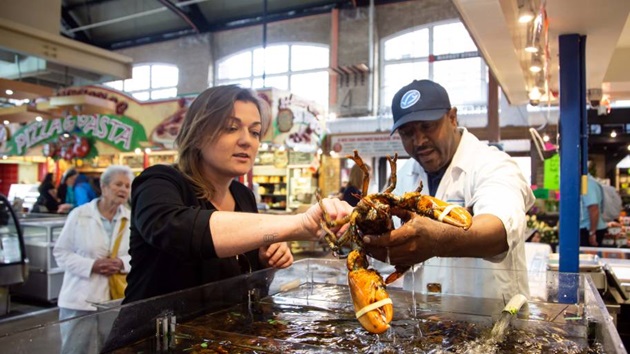
A Canadian Lobster Story
Easy lobster recipes

Featured{{item.Headline}}
{{item.Description}}
Continue Learning
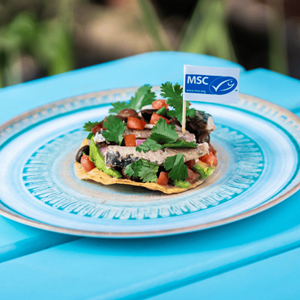
Find recipes
Find a new favorite dish in our collection of sustainable seafood recipes from expert chefs.
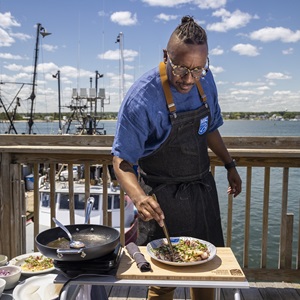
Cooking Tips
For cooks of all levels, check out these tips and tricks for the best sustainable seafood dishes
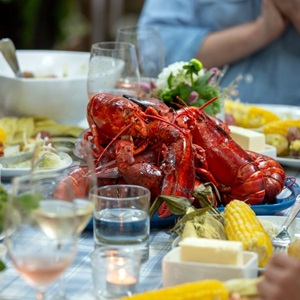
Foodie Guides
Dive deeper with these foodie guides on sustainable seafood species and cooking techniques.
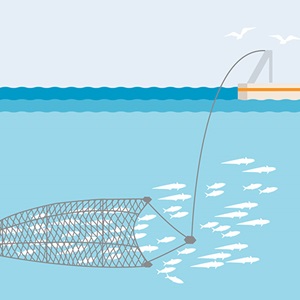
Fishing Gear
Learn about gear types used in environmentally sustainable fisheries.