


Are Oysters Sustainable?
The MSC sets the standard for environmentally sustainable fishing practices; we don't determine if an entire species is sustainable. While the majority of oysters consumed by people come from oyster farms - many of which are Aquaculture Stewardship Council (ASC) certified - wild oysters can be found worldwide. In fact, there are five MSC certified wild oyster fisheries, and many oyster products can be found in stores and restaurants with the blue fish label throughout North America.
When an oyster harvester is certified environmentally sustainable it means enough oysters are being left to continue reproducing, it was harvested in a way that minimizes environmental impact, and it comes from a well managed fishery so any changes to the population or the environment are monitored and can be responded to as needed.Did you know? Oysters have been eaten in the Americas for thousands of years. There are oyster middens (large mounds made of oyster shells) in Maine dating back to over 2,000 years ago.
What Are Oysters?
There are hundreds of oyster species and even more varieties, but five species are most commonly found in North America. These include Pacific Oysters (Crassostrea gigas), Atlantic or Eastern Oysters (Crassostrea virginicas), Kumamoto Oysters (Crassostrea kikamea), Olympia Oysters (Ostrea lurida and Ostrea conchapila), and European Flats (Ostrea edulis). Each oyster comes with its own flavor profile and has spawned many dinner table debates about which one is officially the best.
Did you know? There are over 200 different species of oysters around the world.
Whichever is your favorite, oysters are good for you and the ocean, too. They are filter feeders (this means that as water passes through them, they extract plankton and other nutrients from the water) - a single oyster is capable of filtering up to 25 gallons of water a day! They are also critically important to healthy ecosystems – oyster reefs protect bays and coastal communities from storm surges, lessening the damage of hurricanes and other storms. They also provide homes to a variety of marine life, like fish, crabs, and even other oysters.
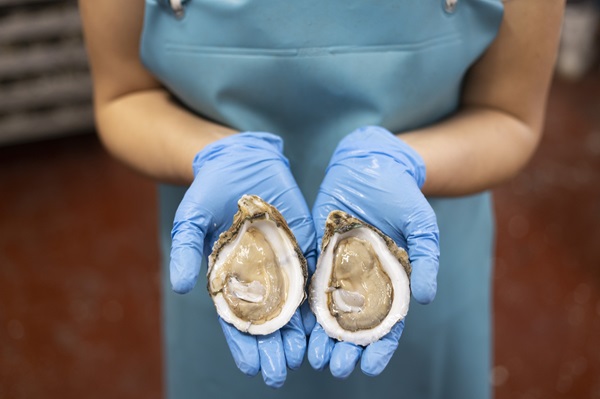
Are Oysters Healthy?
Oysters are a healthy source of protein that are low in saturated fat and high in omega-3 fatty acids. They’re also packed full of iron, zinc, selenium, and vitamins B12 and D.
And you don’t have to go to a raw bar to enjoy these health benefits. Oysters are also delicious grilled, smoked, and even fried! Wow your guests at your next dinner party with these sustainable bivalves.
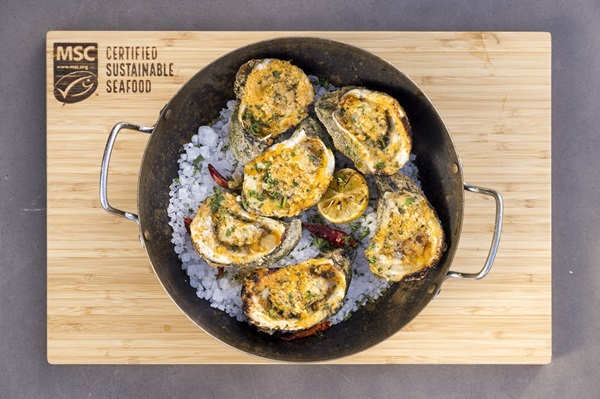
Where Can I Find Sustainable Oysters
Oysters are a great option to try at home, and MSC certified oysters can be found in many grocery and online stores. Check the chilled and frozen section for oysters on the half shell and shucked oysters. You might even find prepared fried oysters in the freezer section!
Take a look at our Where to Buy Page for tips on finding the blue fish label near you.
Learn more
Prestige Oysters: Sustainable Success After the Storm
About 95% of oysters consumed in U.S. restaurants are farm-raised, but Prestige provides an ocean-friendly wild-caught alternative to shellfish lovers across the nation.
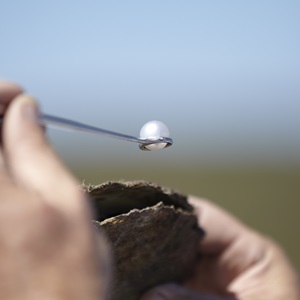
The World's First Certified Sustainable Pearl Fishery
The Australian silver-lipped pearl oyster fishery is the first of its kind to be certified as environmentally sustainable!