Salmon Helps Communities, Ecosystems, and Your Health
Pacific salmon are magnificent creatures—strong, fast, and capable of traveling thousands of miles across the open ocean, bursting out of the water and leaping eight feet in the air. But even more impressive are the many contributions they make to our lives.
Salmon is a superfood that can be a key part of a healthy diet, and the fish’s delicious flavor makes it a versatile ingredient. Salmon also drives the economies of fishing communities and plays a central role in local cultures. And importantly, salmon is at the heart of its natural habitats, helping to keep both marine and land ecosystems healthy and balanced.
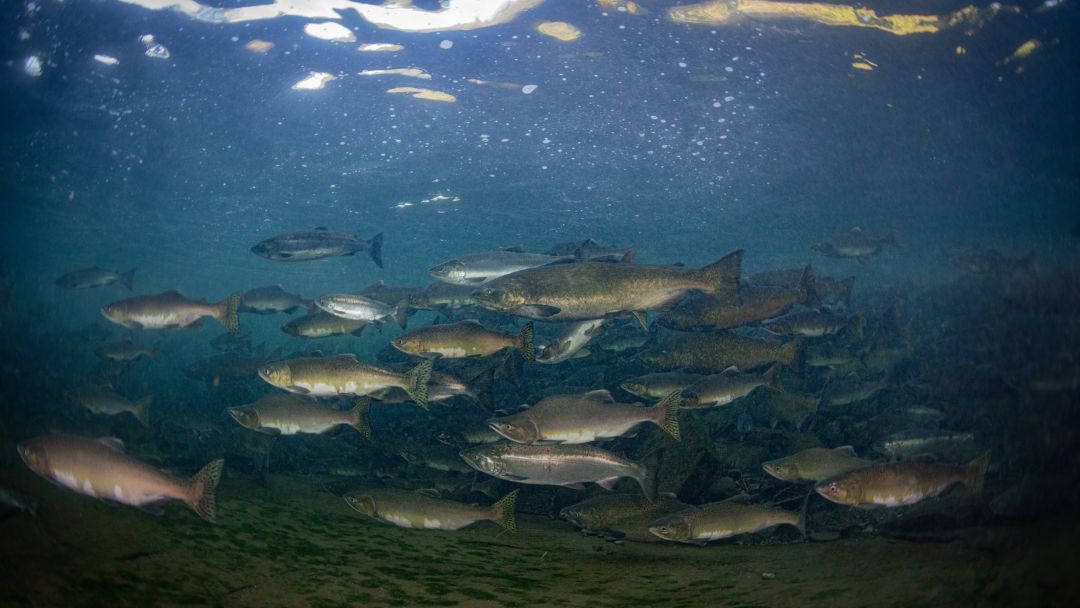
We are lucky to benefit from this remarkable fish, but its survival cannot be left to luck or wishful thinking. If fishing is improperly managed, salmon populations could easily be overharvested or their habitats damaged. To maintain the long-term health and environmental sustainability of this valuable natural resource, it needs to be protected from threats such as overfishing, habitat loss, and the impacts of the changing climate.
Thankfully, the Marine Stewardship Council (MSC) has made it easy for you to enjoy salmon and reward good fishing practices at the same time. It’s as simple as looking for the MSC blue fish label when you enter a supermarket or fish market. That small label on the package reflects our collaboration with fishers, scientists, nonprofit organizations, and companies, to help you identify seafood that comes from a well-managed, environmentally sustainable wild caught fishery. All that’s left for you to do is decide which recipe to prepare when you get that salmon home.

Full of Flavor and Health Benefits
If you love eating salmon, you are not alone—it is one of the most popular seafood choices in the US and Canada, and for good reason. Whether it’s salmon teriyaki, lox served atop a bagel and cream cheese, or miso-glazed baked salmon, there are so many different ways to enjoy this delicious fish. Salmon’s high omega-3 content means that it stays moist and flavorful whether you pan-fry, poach, smoke, grill, or bake it.

But it’s not only your taste buds that will thank you. When you eat salmon, it’s a choice that pays dividends for your health as well. A great source of high-quality protein, salmon is low in mercury but rich in omega-3 fatty acids, which
help reduce inflammation, lower heart-disease risk and protect eyesight. Regular consumption of salmon also supports brain health, improving memory and cognitive function. This highly nutritious fish deserves to make frequent appearances on your table.
Pacific Salmon Supports Communities
Just as salmon is good for your personal health, it’s also a key contributor to the well-being of many communities. Salmon provides work for folks like Emily Taylor, a fifth-generation salmon fisher who is part of Alaska’s MSC certified sockeye salmon fishery. Following in the footsteps of her great-great grandfather, Taylor and her family spend the summer fishing season out on their small boat in Bristol Bay, the world’s largest salmon fishery. “Our community relies very heavily on salmon,” she says. “Without salmon, there would be no community.”
The work is not easy, and it definitely takes a physical toll. “Your fingers hurt, your body hurts. You can tell you’ve had a really good day when you can’t move your hands.” But despite the challenges, Taylor wouldn't have it any other way, and she wants this fishery to be protected over the long term. “It’s important that we have something like salmon to pass down to our future children and beyond.”

The Role of Salmon in Local Culture
Annette Island is home to the Metlakatla Indian Community, Alaska’s only federally recognized Indian Reservation. It’s also the only tribally managed fishery in the state to earn MSC certification. While that distinction reflects the community’s management of the fishery, Annette Island is a place where sustainability applies to more than just the environment. The Metlakatla tribal members have a longstanding cultural connection to salmon. Although this fishery produces a small percentage of Alaska's total salmon catch, the fish plays a prominent role in community life.
Whether it’s heading out on the water, working at the local processing facility or hatchery operation, smoking and canning the day’s catch, or mending the nets, most residents are involved in some aspect of salmon production. As a result,
the tribe has many culinary traditions that revolve around this fish. These customs represent ancestral knowledge that has been passed down for generations via recipes such as kajumps (salmon soup with potatoes) and ky'woks (thinly sliced dried salmon).
In fact, ky’woks is often the first solid food that’s fed to Metlakatla infants, to help with teething and introduce them to this culturally important ingredient.
The Lifecycle of Pacific Salmon
As for the infancy of Pacific salmon, they begin their lives in a freshwater environment, where they grow over a period of months to years. Next, they’re on the move, migrating to the sea where they will spend their adulthood. When it’s time for them to spawn, or reproduce, they go back to the very same freshwater habitat where they were born, to reproduce and eventually die.
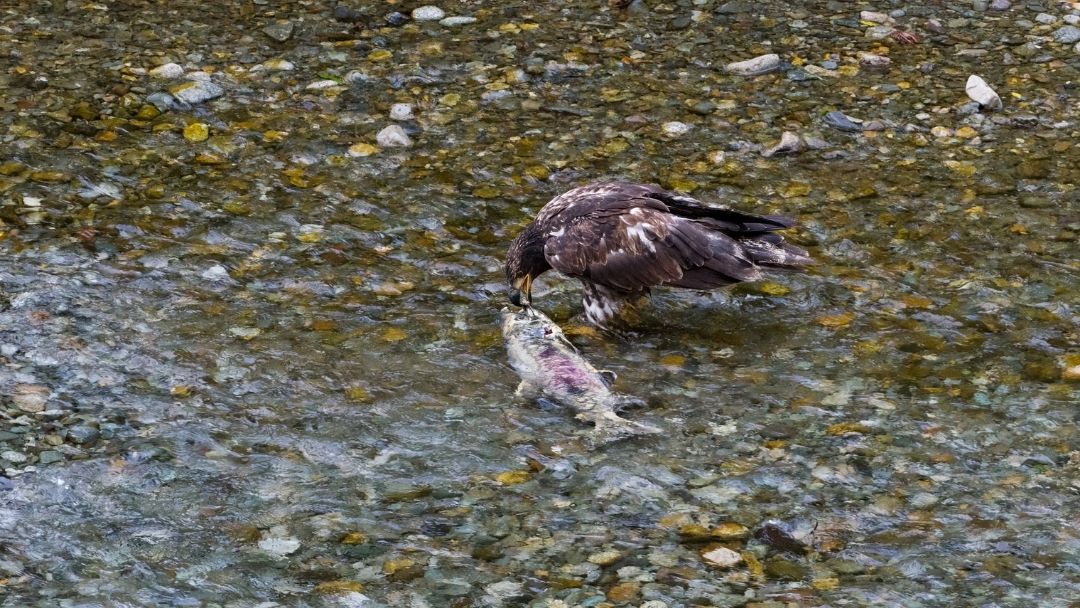
The fish’s curious life cycle means that its very existence affects and is affected by diverse environments. To survive, salmon need healthy habitats and safe passage for the incredible journeys they make. In return, they play a crucial role in the health of these ecosystems, serving as food for predators and cycling nutrients from ocean to stream. And when they die, they provide one final gift: their bodies fertilize the freshwater environment, supporting the health of old-growth forests in the process.
How MSC Certification Supports Sustainable Salmon
Overfishing can alter the balance of an ecosystem and deplete important fish stocks (populations), endangering them over the long term, but salmon populations can be resilient if given the chance. A well-managed fishery ensures that commercial and recreational fishers can bring home a day’s catch while also leaving enough salmon to return to their natal spawning grounds to reproduce. This is one of the many factors taken into account when a fishery achieves MSC certification. When you see the MSC’s blue fish label, it tells you that the salmon came from an environmentally sustainable wild caught fishery.
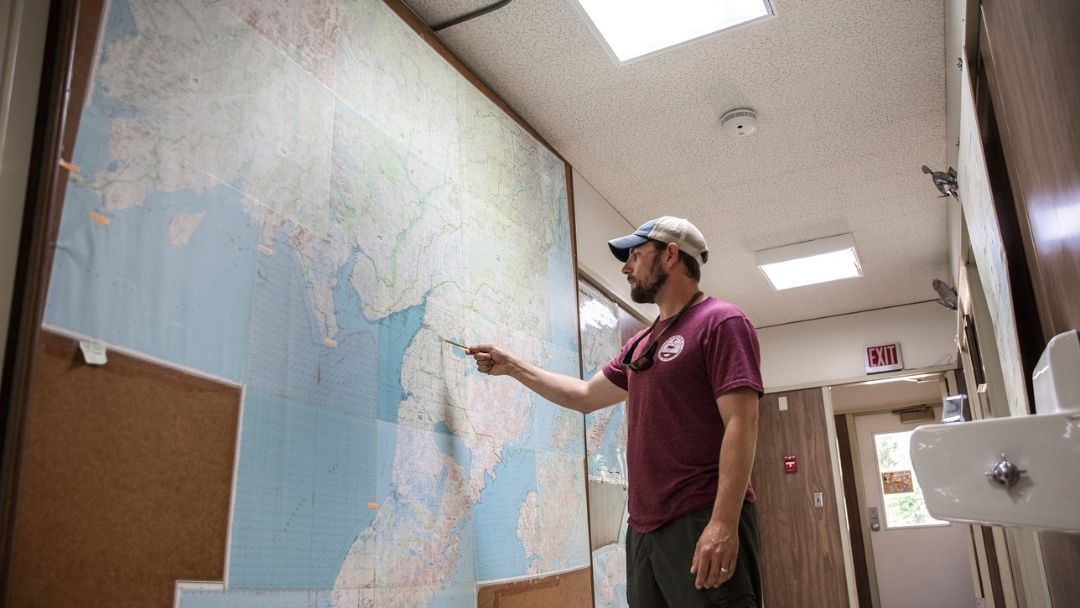
To assess the health of a fishery, biologists determine how many salmon are needed to ensure that the population can reproduce at a sustainable level. One way they estimate the status of a salmon stock involves field staff spending their summers in towers, looking down into a river and counting the salmon that swim past, or using sonar devices when the water is too murky for visual monitoring. These numbers are then passed on to the fishery managers, who compare them with decades of data to decide whether fishing will be permitted or suspended during the season. MSC certified fishing operations must also limit their impact on these natural habitats while operating according to established laws and regulations.
Your Choices Matter
The bottom line? Currently, 62% of global wild caught salmon is MSC certified, which means it’s never been easier to find salmon from environmentally sustainable fisheries at your local supermarket or store. Better still, that number is certain to grow as more shoppers choose MSC certified salmon, as these buying decisions send a powerful message to the market, driving further adoption of certification around the world.
As a seafood eater, your choices matter. By purchasing MSC certified salmon, you are supporting fishing practices that are working in balance with nature. You are helping protect salmon populations and the ecosystems they call home. And you are bringing home a nutritious ingredient that is good for you and your family. The MSC blue fish label may be small but, with your help, its impact will continue to be mighty.