


Near the North Pacific Ocean, a labyrinth of waterways provides centuries-old connections between the land and the vast ocean.
Inhabiting the inland waters, Pacific Salmon begin their lives. Along for the ride, young salmon flow with the current through rocky-bottomed streams. Foaming over rapids and free-falling down waterfalls, water picks up speed, carving its way to the ocean and pushing juvenile salmon toward their destination.
Teaming with life, the Pacific Ocean provides an abundance of food for salmon. Once mature, the arduous trek home to reproduce begins. After spawning the next generation, these fish become part of the surrounding forests and grasslands and sustain countless other animals.
Here, the circle of life plays out as it has for millennia.
Pacific salmon contribute to ecosystems, cultures, and communities as they migrate through freshwater and marine systems. In nature, endings are simply fuel for the next beginning in the interconnected web of existence.
Far-reaching impact of Pacific salmon and the MSC
From where they hatch, Pacific salmon species traverse many miles of water-filled passageways to the estuaries where they adapt to life in saltwater. Journeying on, their lives continue in the immense ocean. After spending at least a year, depending on the species, growing and maturing and covering hundreds or even thousands of miles at sea, Pacific salmon return to their original freshwater habitat to spawn and die.
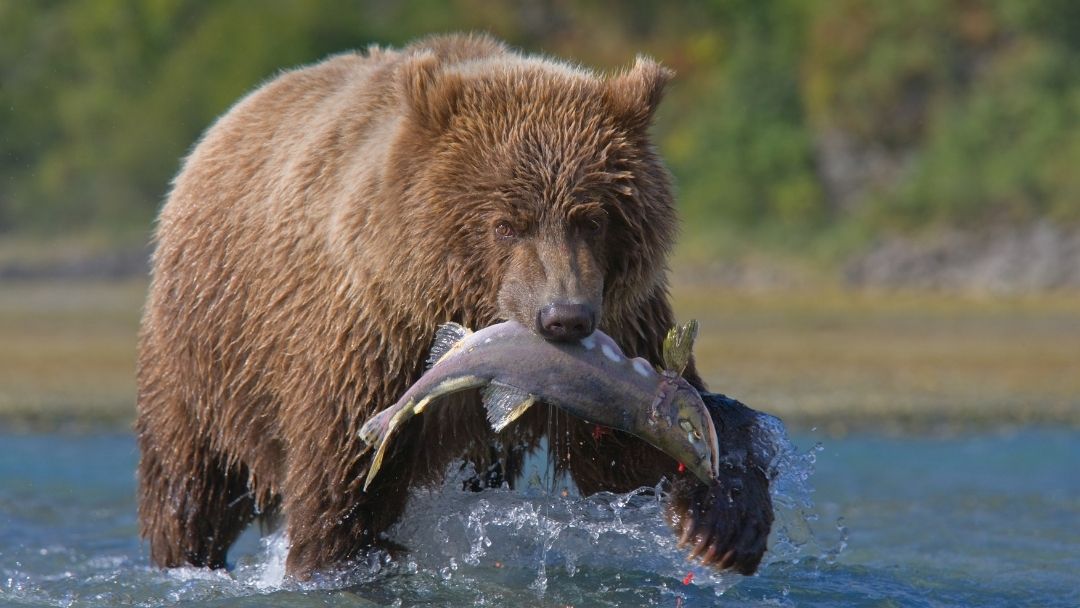
Hundreds of species, from mammals, birds, and insects to trees and humans, rely on salmon. The wide dependence on healthy salmon is the very reason their populations need to be sustainably monitored and maintained. That’s where the Marine Stewardship Council (MSC) and the blue fish label on seafood products come in.
The Marine Stewardship Council's mission is to contribute to the health of the world’s oceans by recognizing and rewarding environmentally sustainable fishing practices and influencing consumers' choices when buying seafood.
The MSC is working to transform the seafood market into an environmentally sustainable industry that adheres to the latest available scientific information by supporting healthy fish populations, limiting the environmental impacts of fishing, and promoting effective fisheries management.
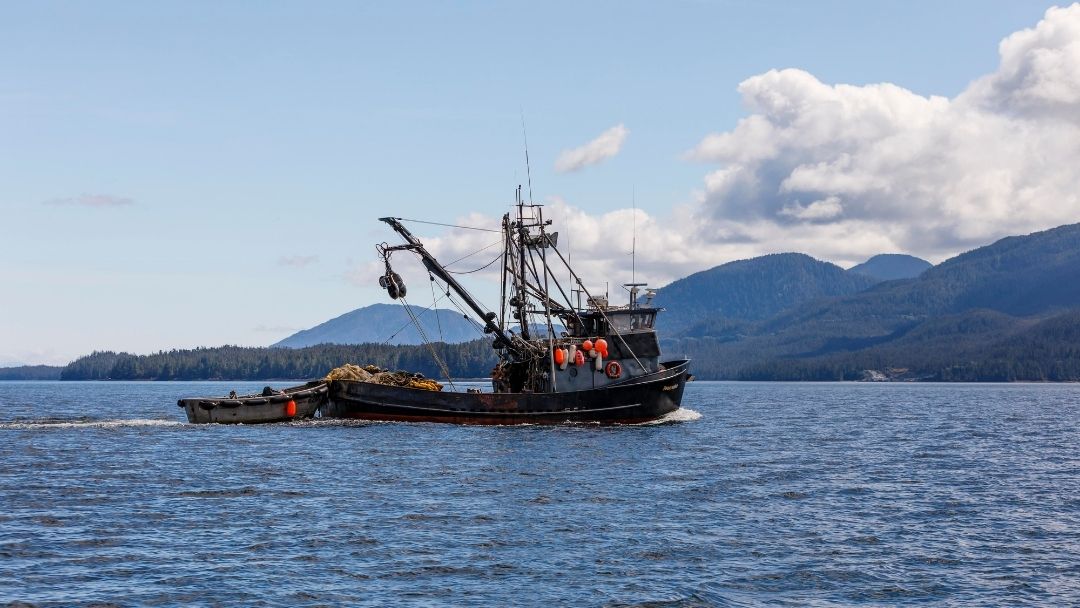
Dual existence: traversing fresh- and saltwater
Pacific salmon are among the few anadromous species of fish, spending the first part of their lives in freshwater and growing to adulthood in saltwater. This dual existence and the vast distances traveled enable salmon to have enormous impacts on economies, communities, cultures, and ecosystems.
Salmon are considered a keystone species, vital to the ecosystems in which they live.
Young salmon devote their energy to growth and avoiding predation while remaining close to where they hatched. When they’re strong enough, they begin their migration to the ocean, navigating many challenges as they journey downstream. Variable water flows and significant temperature changes, as well as rapids and manmade obstacles like dams challenge their progress. Predation by larger fish and birds, such as kingfishers and herons, also poses a continual threat.
In estuaries, where salt and freshwater mix, salmon begin the necessary transformation for life in the ocean. Ridding the body of excess salt is key. Salmon and other marine fish remove excess salt through their urine, skin, and gills. A molecular pump in the gills switches direction; rather than capturing sodium from freshwater, it pushes sodium out. These changes eventually reverse, enabling mature salmon to make the return journey and reproduce in freshwater.
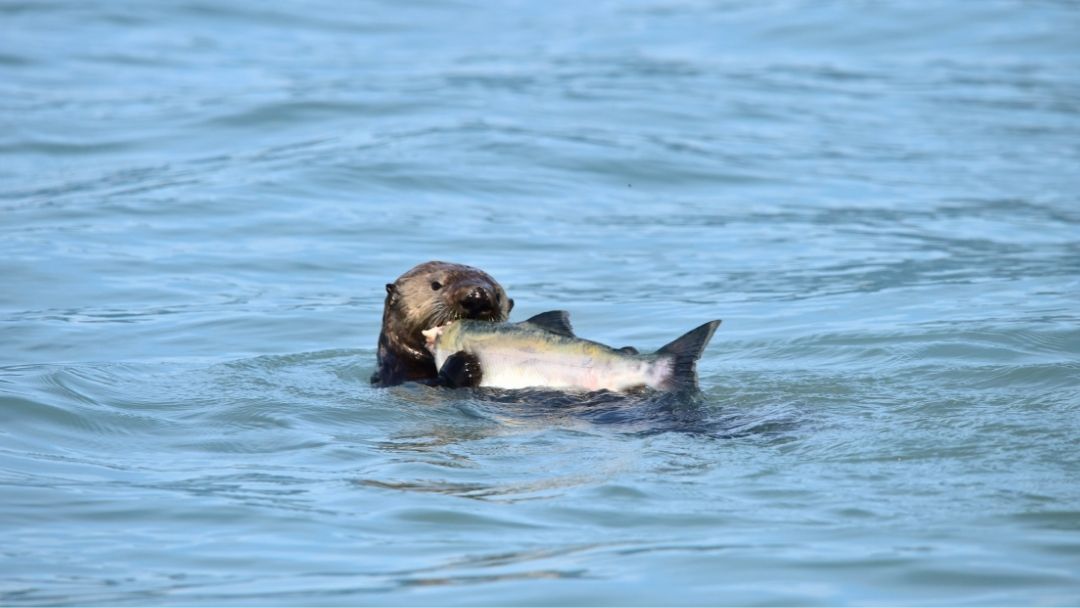
In the ocean where food abounds, Pacific salmon spend adulthood at sea feeding mostly on shrimp, squid, and smaller forage fish, like herring and anchovies. While food may be plentiful, ocean life is no picnic; salmon are preyed on by larger fish, sharks, and marine mammals, like seals and orcas.
Migration
Some species of Pacific salmon migrate thousands of miles, from the streams and lakes where they were spawned to the ocean, and return to the very same waters where their life began, a trait known as homing. The latest research indicates that this journey involves a combination of the Earth’s magnetic field and solar positioning providing a compass for ocean navigation and remembering the scent or chemical signature of their natal waters that points the way home.
Once mature salmon reach freshwater, they are singularly focused on reproduction, not dallying even to feed. Fat stores provide the energy needed to prepare for reproduction and swim against currents.
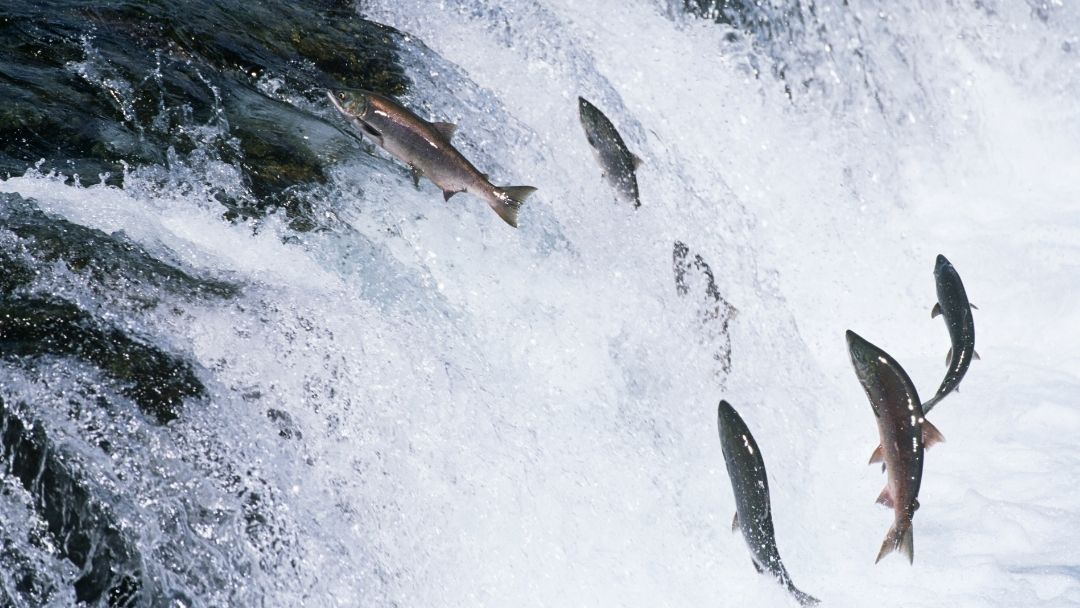
Salmon are known to scale waterfalls and leap massive obstacles on their quest to return. Once they arrive, females make indentations, known as redds, in the loose, rocky silt with their tails and lay their eggs. Males fertilize the eggs, and females cover the redd, providing a place for their young to incubate and hatch come spring. After reproducing, Pacific salmon die and become part of the landscape from which they were born.
Not only do returning salmon start a new generation, but they serve as a foundational food source for bears, wolves, eagles, and other animals and bring vital marine nutrients inland.
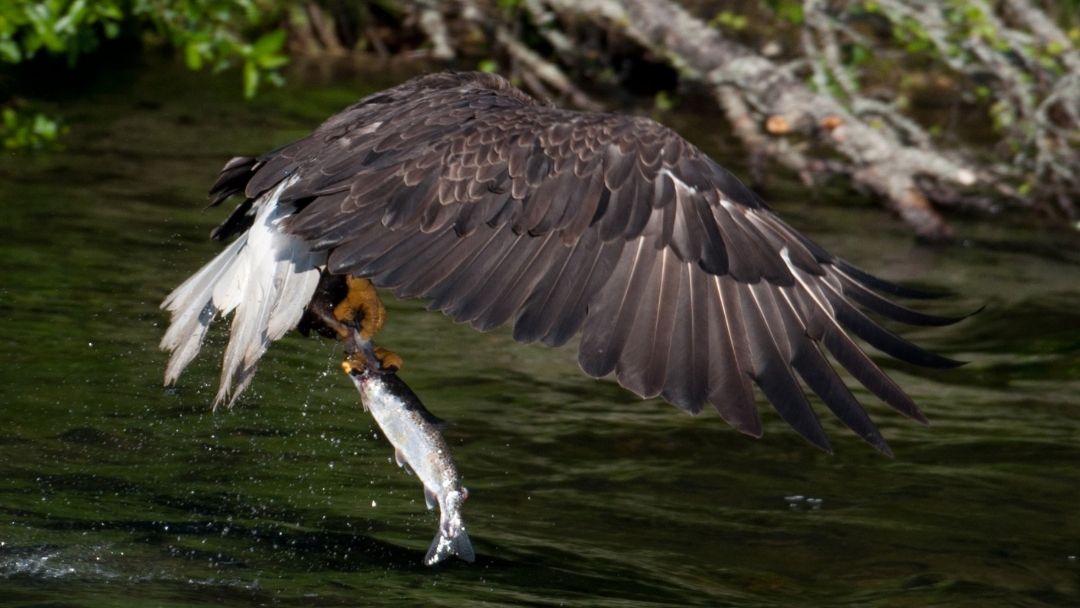
Complexities of Pacific salmon
Five species of Pacific salmon live in North America: Chinook, coho, chum, sockeye, and pink. Each species spends a different amount of time in freshwater and saltwater environments, feeding and maturing. But their life cycle is more complex than that. Even within a species, individuals spend different amounts of time inland and in the ocean and reproduce at different times of the year.
From life in the streams, lakes, and oceans, to the grasses, vegetation, and forests, and on to the many animals and insects that feed on salmon carcasses, the presence of salmon is felt.
Salmon has also been critical to the development of entire cultures.
Contributing to cultures past and present
Deeply knit into the lives of Indigenous peoples across the North Pacific, salmon are central to cultural practices, foundational to coastal economies, and essential for food security.
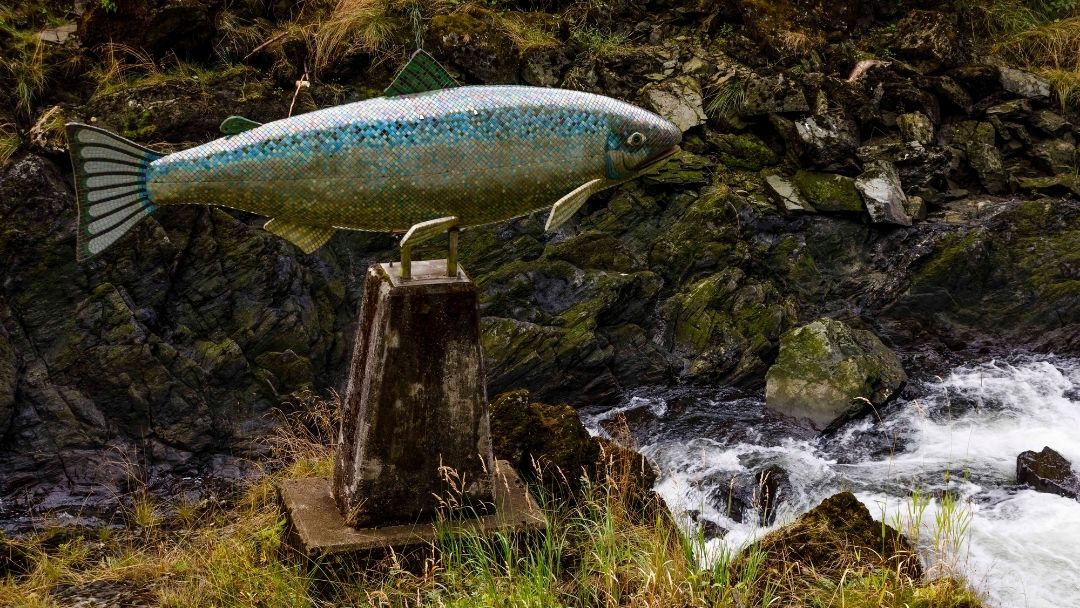
Historically, seasonal villages were located along the rivers to take advantage of the salmon runs. These native fisheries were some of the earliest economies tied to salmon, with evidence of salmon fishing dating all the way back to 4000 B.C.E. Celebrations and ceremonies surrounded the first fish caught as people welcomed and thanked the salmon for their return and looked forward to an abundant harvest.
Salmon sustained North Pacific Indigenous peoples for much of the year. Fish were caught with traps, nets, or spears. Salmon were smoked, dried, and even pounded into a flour, preserving fish for the winter months.
A testament to the wisdom of Indigenous methods, many of these ancient ways of catching, cooking, and preserving salmon continue today.
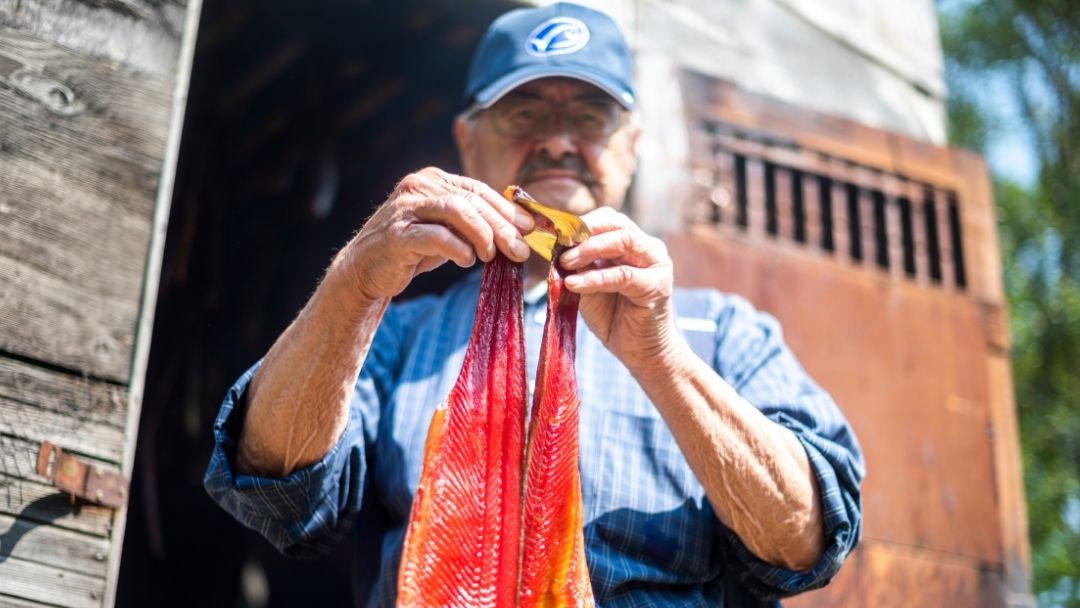
For many people living near the North Pacific Ocean, salmon remain significant, connecting the past with the present. Salmon hold immense significance not only as a source of sustenance but also as a source of cultural identity.
Salmon are more than fish to many of these indigenous cultures; they are essential to who they are as individuals and as a community. Interwoven in the fabric of daily life, salmon are an integral part of traditional knowledge, values and heritage, stories and legends, and spiritual connection.
Economic contributions
Salmon’s importance stretches across communities and beyond. The economic impacts of recreational and commercial salmon fishing affect not only local livelihoods but also extend beyond national borders.
According to research completed in 2019, Alaska’s Bristol Bay commercial salmon fishery was valued at $2 billion and supported 15,000 jobs. In California, salmon fishing has historically supported more than $1.4 billion in annual economic activity and approximately 23,000 jobs.
And the global salmon fish market (including both wild and farmed salmon) for 2026 is valued at over 21 billion dollars. The salmon market is divided into Atlantic and Pacific salmon, with the Pacific segment valued at $5.1 billion in 2024, forecasted to reach $12.4 billion by 2034.
Increased consumer preference for healthy foods rich in protein and omega-3 fatty acids is helping to drive this growth. But growth can only continue with sustainable salmon populations.
The ocean doesn’t have clear boundaries, which figuratively muddies the waters. Because of the anadromous life cycle of salmon, salmon often cross the border between Canada and the United States, complicating fishing regulations and population management and necessitating cooperation among monitoring bodies and governments.
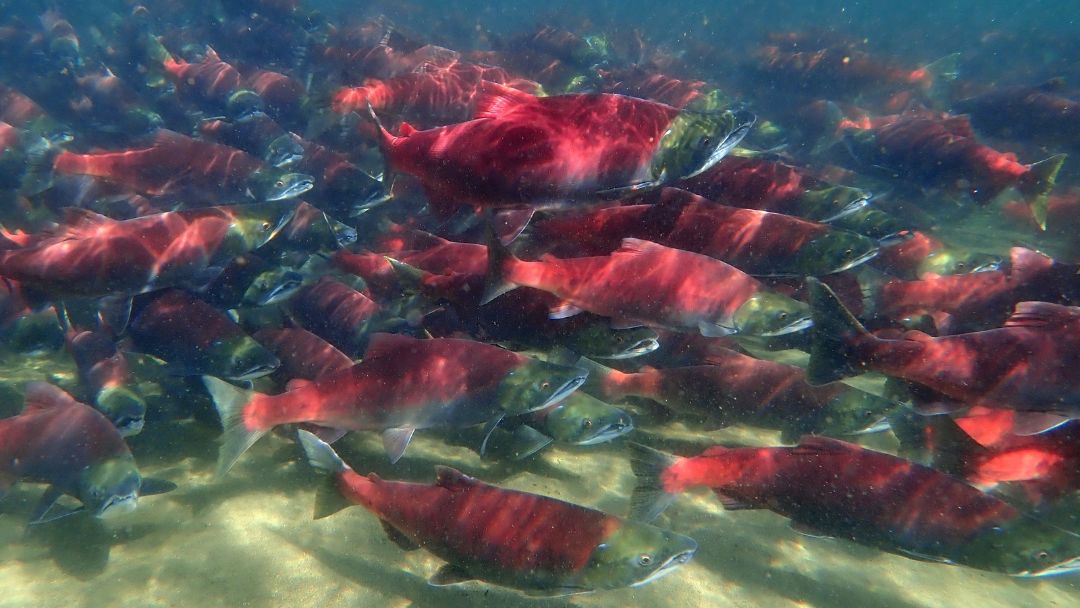
For example, the Pacific Salmon Treaty, signed in 1985, is an agreement between the U.S. and Canada to cooperatively manage, conserve, and share Pacific salmon stocks.
With thousands of jobs and millions of dollars at stake, in addition to the far-reaching cultural and ecological significance of salmon, keeping salmon stocks at healthy levels is vitally important.
MSC standards promote healthy salmon stocks
Grounded in internationally accepted fisheries science and management, MSC has developed a fisheries standard, based upon three principles of environmental sustainability: stock health, minimal ecosystem impact, and effective fishery management.
As the program is voluntary, fisheries choose to be assessed against the MSC standard through a third-party entity known as a Conformity Assessment Body (CAB).
The CAB is made up of fisheries experts who assess the fishery against the three principles of the MSC fishery standard and provide a final score that determines if they have met the standard requirements and if any improvements are needed.
Unique management approaches ensuring sustainable numbers
To ensure healthy salmon populations, management agencies monitor the number of fish that escape natural mortality and fishing (commercial, recreational, and subsistence) and return to their freshwater habitat to reproduce. Because multiple species of Pacific salmon returning to North America can begin and end their life cycles in the same river system, management can be complex, requiring tailored approaches for specific salmon stocks and environments.
Salmon management biologists set escapement goals, which is the number of fish needed to reproduce to maintain a healthy population. These escapement goals are set for each species in each river system.
“Salmon can be managed down to individual rivers or spawning grounds as each river system supports genetically distinct stocks that return to spawn in that specific freshwater system,” said Nina Nichols, MSC’s Canada Fisheries and Commercial Manager. This intricate management not only protects each species of salmon but also helps ensure every freshwater system containing salmon has a sustainable population returning each year to spawn.
In some locations, commercial fishing begins after escapement goals are met, but in most of the North Pacific Ocean, monitoring occurs during the commercial harvest, enabling adjustments of the harvest rate depending on how many fish are returning to the spawning grounds.
Challenges facing Pacific salmon
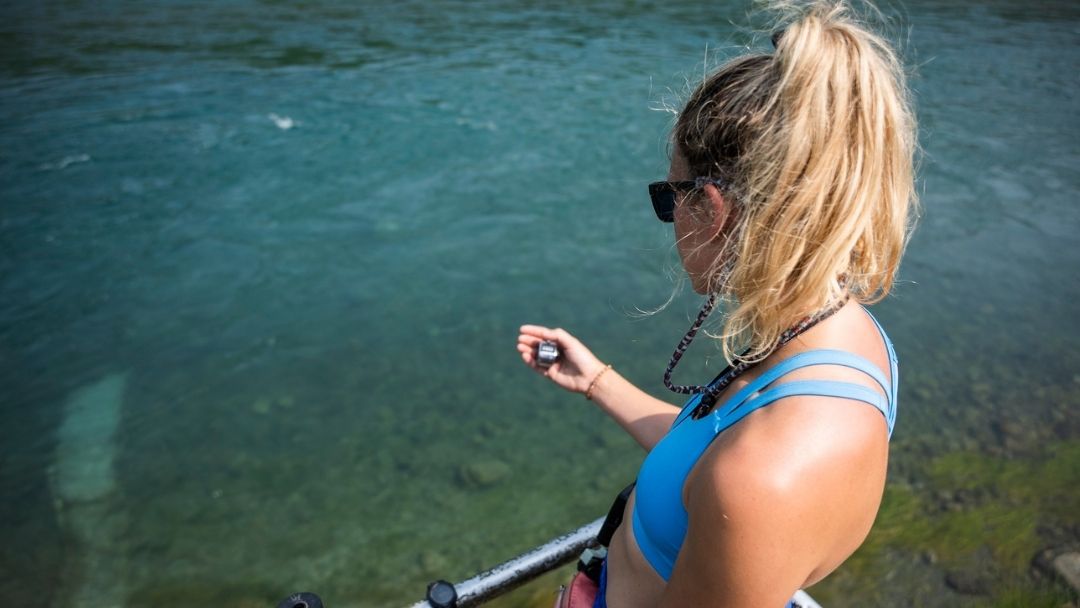
Salmon populations face numerous challenges, including climate change that is warming waters and reducing water flows, natural landslides and man-made disturbances, dams and roads that block access to and from spawning grounds, and urban development that can lead to water contamination and habitat loss.
A decrease in salmon numbers affects hundreds of animal species and people who depend on this resource for sustenance and identity. Local, state, regional, and even global economies and communities reel when salmon populations are less than ideal.
The impact of declining salmon populations ripples through ecosystems and communities.
Sustainability of salmon impacts ecosystems, cultures, communities, and economies
“MSC contributes to ocean health and stable salmon populations because we incentivize fisheries to meet the science-backed rigorous standard, ensuring that a fishery is environmentally sustainable, which translates to ensuring the stock can maintain itself into the future. The MSC Fisheries Standard ensures that the fishery is not harming the environment and is minimizing impact on non-target (bycatch) species. MSC certification also ensures there's cohesive fishery management that respects international, national, and local laws,” Nichols said.
Consumers purchasing salmon can be assured they are contributing to and supporting communities, ecosystems, and healthy oceans wherever that iconic MSC blue fish label is seen.
.jpg?sfvrsn=cb3d0645_3 "MSC19882_MSC17115_RS11971_MSC_BristolBay_Salmon_July2019-111-tql (1)")