


In 2021, the MSC commissioned independent consultants to explore the social and economic impacts experienced by the MSC-certified Scottish haddock fishery as a result of becoming MSC certified.
The study had two parts. Social surveys explored stakeholder perceptions of certification, as well as the benefits and challenges experienced by the fishery since becoming certified. And an economic analysis looked at changes to the price of fish before and after certification, compared to the prices of fish in a non-certified fishery over the same time frame.
The results provide valuable new insights into the social and economic benefits that can be experienced as a result of certification.

Introduction
In 2020, the MSC commissioned NEF Consulting of the New Economics Foundation (NEF) to explore the potential socioeconomic impacts that occur as a result of MSC certification.
The research focused on two UK fisheries: Cornish hake and Cornish sardine. The study offered promising new insights into the social and economic benefits experienced by MSC certified fisheries, including evidence of a price premium for MSC certified Cornish hake.
To build on this work and expand to a new geographic region, the MSC commissioned a second socioeconomic study in 2021, this time exploring the potential socioeconomic impacts of MSC certification in the Scottish haddock fishery.
Independent consultants aimed to understand whether the fishery had experienced price premiums, price stability, improved market access or other social or economic outcomes since becoming MSC certified in 2010 by combining stakeholder interviews with an economic analysis of quayside prices.
BACKGROUND
The Scottish haddock fishery
First certified in 2010, the Scottish haddock fishery is now part of the SFSAG Demersal Stock fishery certificate which has a total tonnage of 73,595 (2019) and includes four further species (hake, plaice, saithe and whiting).' Fishing is carried out by vessels within the membership of the Scottish Fisheries Sustainability Accreditation Group (SFSAG), which consists of 11 Producer Organisations, as well as several fishermen associations. The members represent the majority of the Scottish demersal industry operating in the mixed demersal fisheries of the North Sea and West of Scotland.
Over 400 vessels target bottom-feeding fish including haddock but also hake, plaice, saithe and whiting. These fish are found at depths of 40 to 200 metres mostly in the northern and central areas of the North Sea, but can range as far south as the Humber Estuary. Vessels use demersal trawls and seines, either singly or in pairs.
Haddock is the most important demersal whitefish species to Scottish fishermen. Over 27,000 tonnes of haddock were landed into Scotland by Scottish vessels in 2015, worth £41 million. MSC-certified haddock is estimated to make up 30-40% of certified Scottish catch. Globally, there are 20 haddock fisheries that have met the MSC Fisheries Standard. Combined, these represent 91.6% of the global haddock catch being MSC certified. The UK is an important market for these fisheries, accounting for nearly 77% of all MSC labelled haddock product sales (by volume) globally.
Approach
What did the researchers do?The researchers combined two approaches to explore socioeconomic benefits in the two fisheries.
- A social survey comprising interviews with members of fishery and vessel management bodies, fishers, processors, and a public body involved in the SFSAG fishery.
- A desk-based economic analysis exploring changes to the landings and price of haddock pre- and post-certification.
PART 1: SOCIAL SURVEY
Interviews were conducted with nine stakeholders including members of fishery and vessel management bodies, fishers and processors to understand their experiences of MSC certification.
Questions explored each respondent’s perception of the certification process itself, the social and economic benefits that they had anticipated the fishery would receive as a result of certification, and whether those benefits had been realised once the fishery had become certified. The interviews also explored whether there had been any challenges associated with certification.
PART 2: ECONOMIC ANALYSIS
The economic component of the study aimed to explore whether the SFSAG haddock fishery specifically had reaped a higher price (a ‘price premium’) as a result of certification. To do this, NEF Consulting compared changes in prices and landings volume of MSC-certified fish before and after certification to a ‘control group’ of the same fish species caught elsewhere in the UK, but not certified. The control group for the fishery was designated as haddock landed in the English port of Newlyn, a port where MSC-certified haddock is not landed.
Whilst significantly smaller in volume than Peterhead in terms of haddock landings, Newlyn represents the port with the largest haddock landings in England and was deemed an appropriate for an exploration of price differences.
RESULTS
What social and economic benefits did the fishery experience?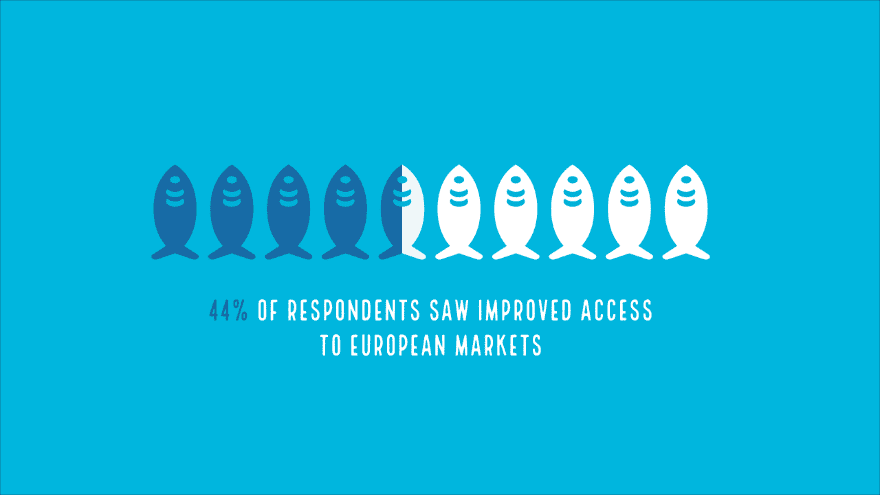
Market access (89%), improved reputation (78%) and a higher (or retained) price of fish (33%) were the most frequently cited reasons for pursuing MSC certification. Most respondents believed MSC certification was critical to future-proofing the fishery, by enabling it to maintain access to UK retail chains.
Once certified, all of the stakeholders interviewed believed that the benefits of certification had outweighed the costs associated with the assessment process.
All but one respondent (89%) believed retaining market access to be the greatest benefit that the fishery had received since becoming certified. In particular, the ability to maintain contracts with UK retailers most of whom were said to have higher demand for MSC-certified fish.
In line with anticipated benefits, many respondents (67%) believed improved credibility and reputation was another of the greatest benefits that the fishery had received as a result of certification. However, the reputational risk of losing certification in the future (for example, due to the cost of certification becoming too high) was also the most common concern associated with MSC certification (44%).
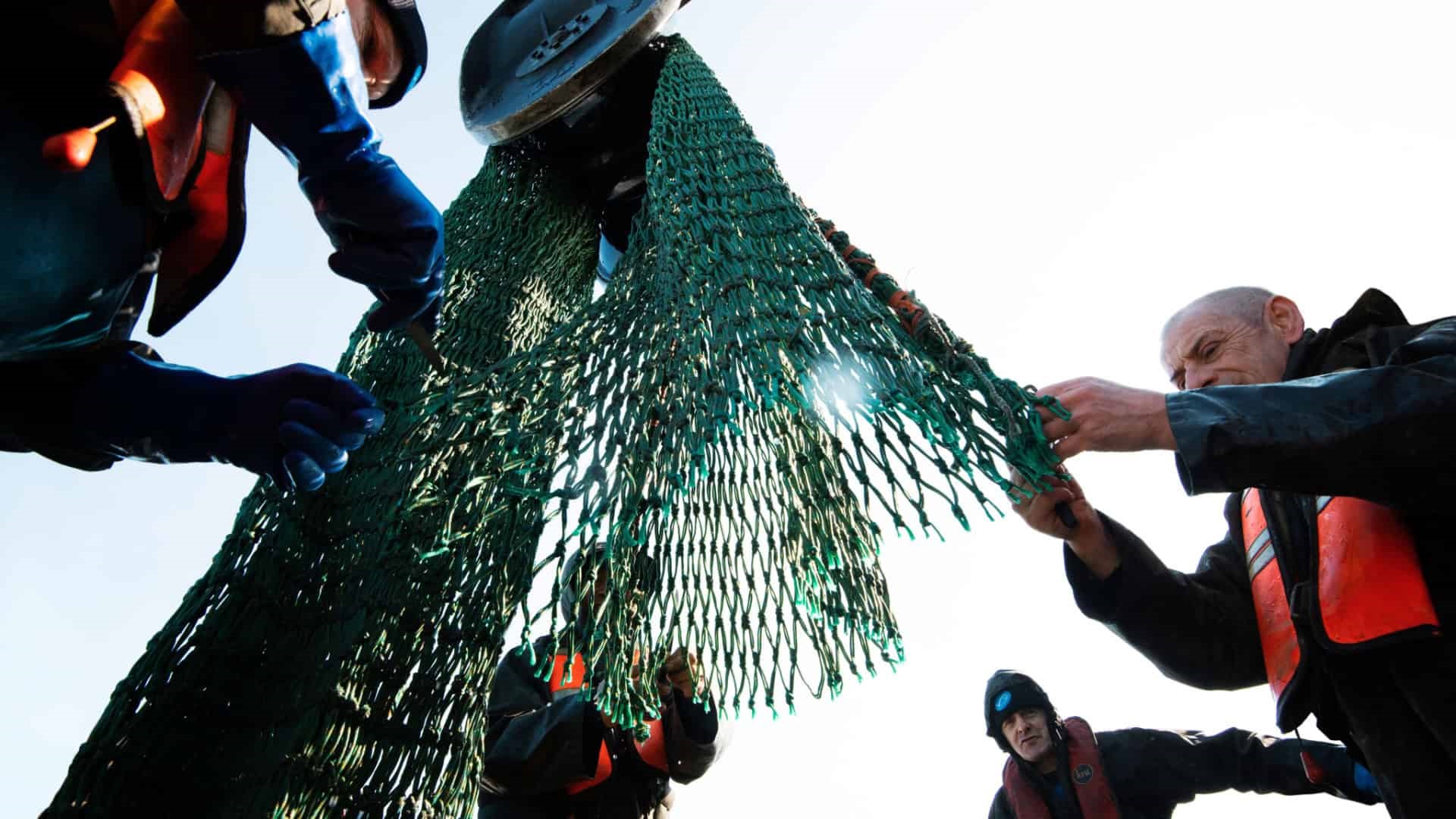
“At the time [of certification] the fishing industry was getting negative publication from the press, especially in Scotland. Certification was the first step to get the confidence of the consumers back.”
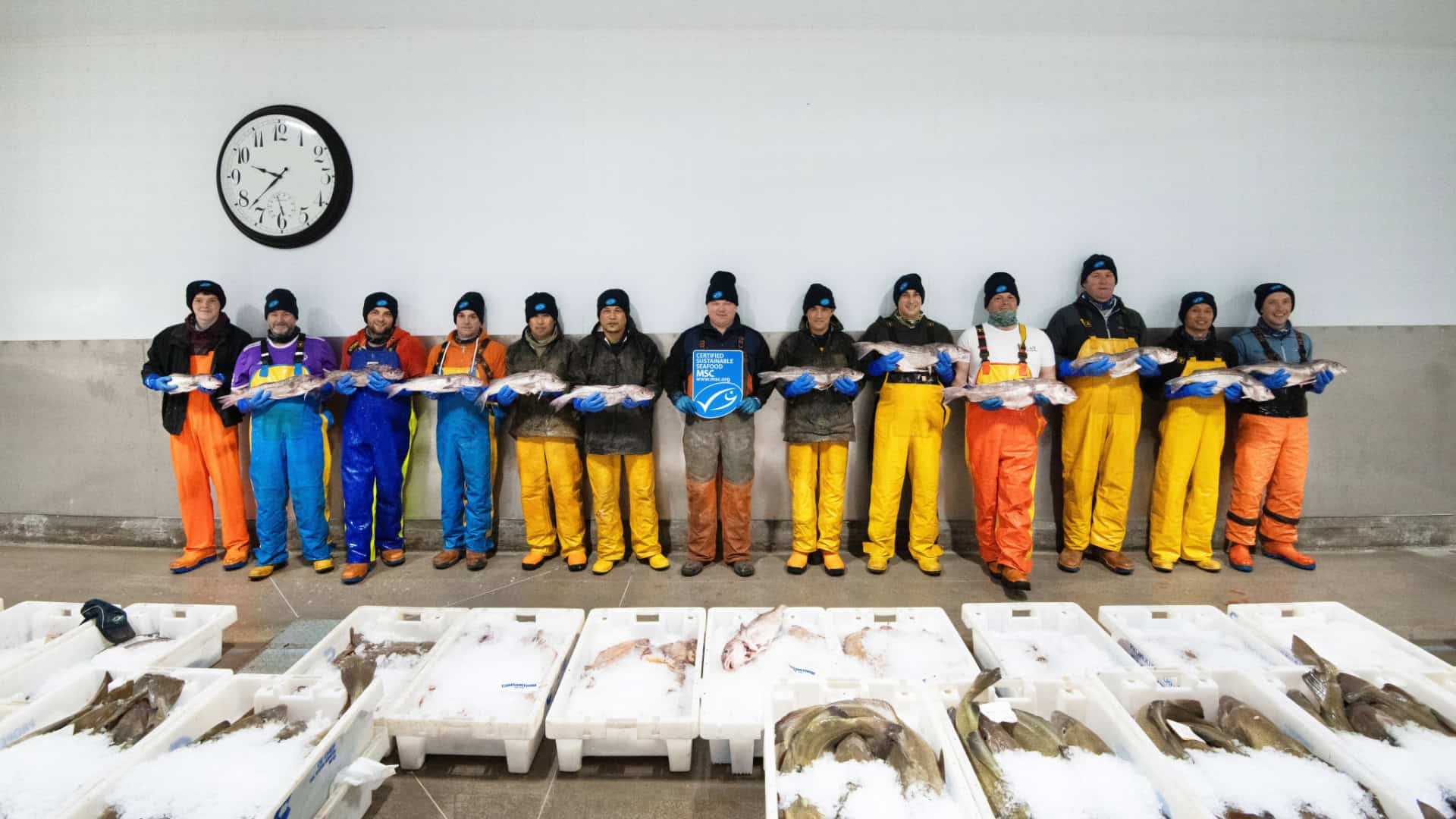
“Yes, [MSC] helped reputation and credibility, I’d say this was 80% attributable to MSC. In general fishermen have been proactive in recent years working towards sustainability.”
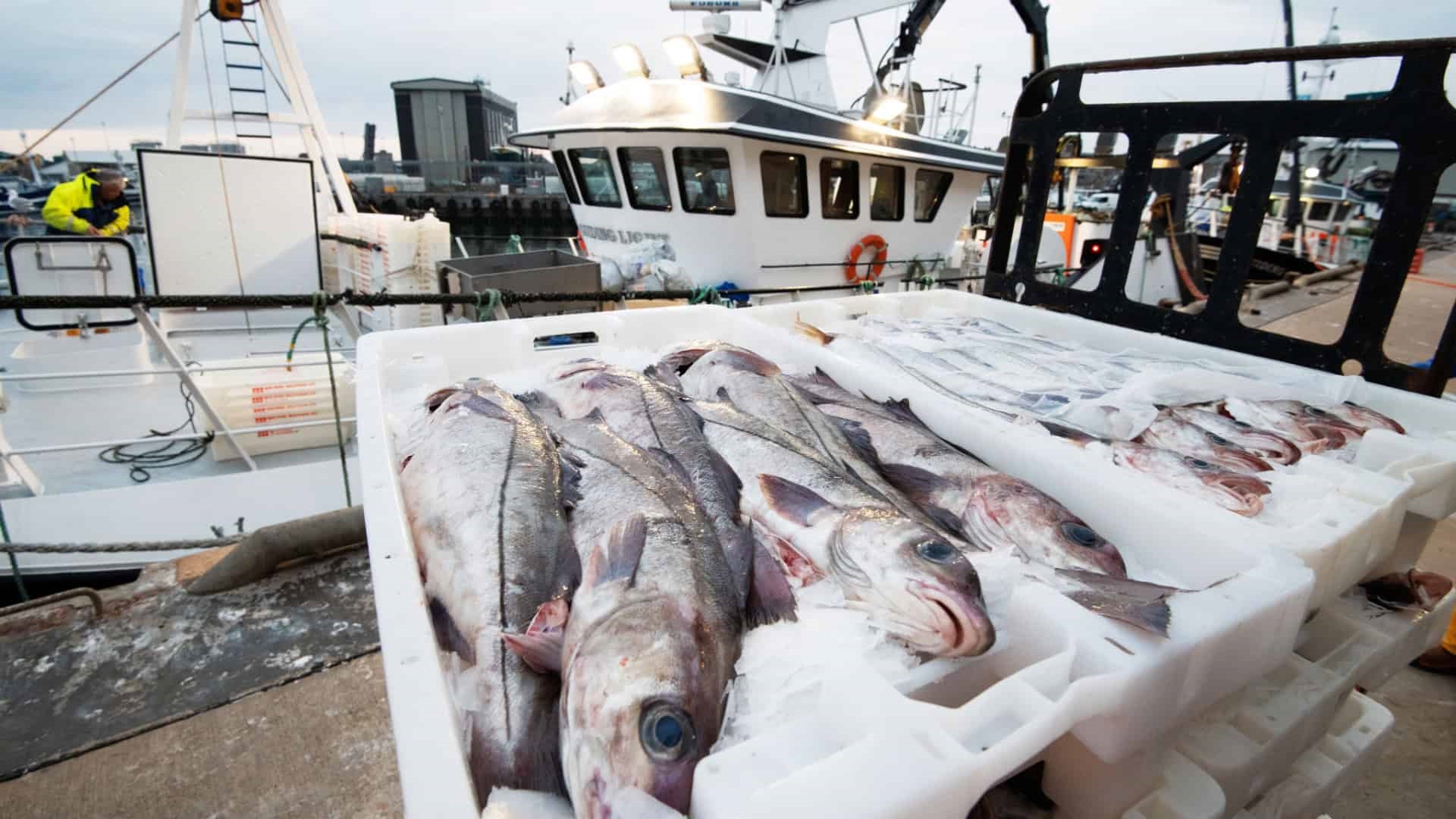
“The most important benefit is to our reputation.”
“I can see on TV that the blue tick is popular, consumer confidence has improved.”
In addition to maintaining market access, four respondents (44%) said that MSC certification had opened access to new European markets, including in Denmark, the Netherlands and Italy.
“We have a greater marketplace in Europe now, but COVID-19 and Brexit have impacted that since becoming certified. MSC stocks get a better market in the EU. The hope is that it will be more help in future post brexit/COVID-19. There has been a little increase in the domestic market too.”
Other unexpected benefits of certification included improvements in quality control and improved morale among fishery staff who were proud to work for an MSC certified fishery.
“Crew members take more pride in the fish now, and turn out a better product.”
Landings
MSC certified haddock landings make up 94% of haddock landings in Peterhead. Between 2008 and 2021, there was a 32% decline in haddock landings in Peterhead, from 15,390 tonnes in 2008 to 10,471 tonnes in 2021. While there was a brief rise in landings between 2011 and 2013 immediately following certification, this was followed by a year-on-year decline to 2021.
Prices
Both Peterhead and Newlyn haddock prices increase during the 2008-2021 time period, with Newlyn (non-MSC) prices increasing slightly more than Peterhead (MSC) from 2008 to 2021 (a 25% increase from average 2008-10 prices to average 2019-21 prices for Newlyn, compared to a 14% increase for Peterhead).
Throughout the time period (with the exception of 2011) Newlyn prices are higher than Peterhead, the gap between these prices growing between 2008 and 2019 in 2008-11 Peterhead prices were 76% of Newlyn (£1.31 compared to £1.71) and 70% in 2019-21. In the years following MSC certification, the control group saw a greater increase in price compared to SFSAG haddock.
From these observations, MSC certification does not look like a factor influencing price changes.
The results of the economic analysis align with those of the survey. Only one respondent believed that prices and profits had improved as a result of certification. Most respondents believed that prices had been retained rather than having increased as a result of certification, and that the many and varied influences on fish prices were outside of the influence of MSC certification.
CONCLUSION
These findings provide new insights into the wider economic and social impacts of MSC certification in the UK. While the impact of certification on price premiums remains inconclusive for SFSAG haddock, feedback from fishery stakeholders suggests that there have been other important benefits to the economic security of the fishery, such as maintaining access to domestic markets and accessing new European markets.
By choosing seafood with the blue fish ecolabel, consumers are not only helping to protect the oceans, but the income security of the fishermen and supply chain stakeholders who have made commitments to operate sustainably too.