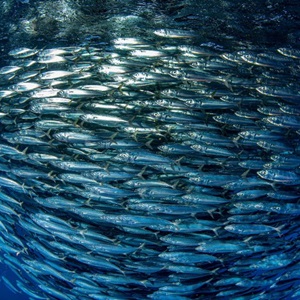
Small pelagic fish are the unsung heroes of the ocean, but this important group of species faces a complex range of pressures, from climate change to overfishing.
Small pelagics, like herring, mackerel, sardines and anchovies, play a vital role in our ocean’s ecosystems, serving as a key food source for other marine life. They also provide critical nutrition for millions of people globally, and their mix of protein and Omega-3 fatty acids makes them a valuable source for aquafeed and supplements.
Yet many of these species are under increasing pressure from the effects of warming seas driven by El Niño, rising demand and commercial overfishing.
Key facts and figures
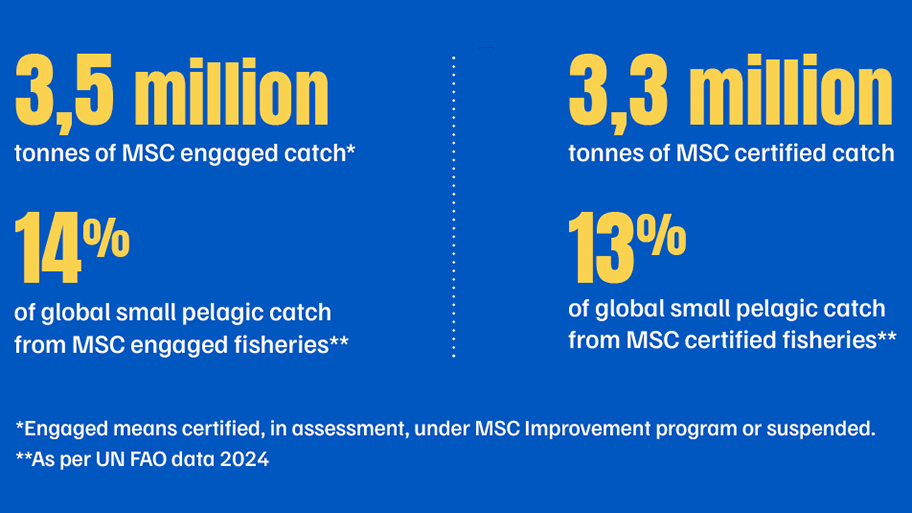
Data as of August 2026.Small pelagic fisheries engaged with the MSC
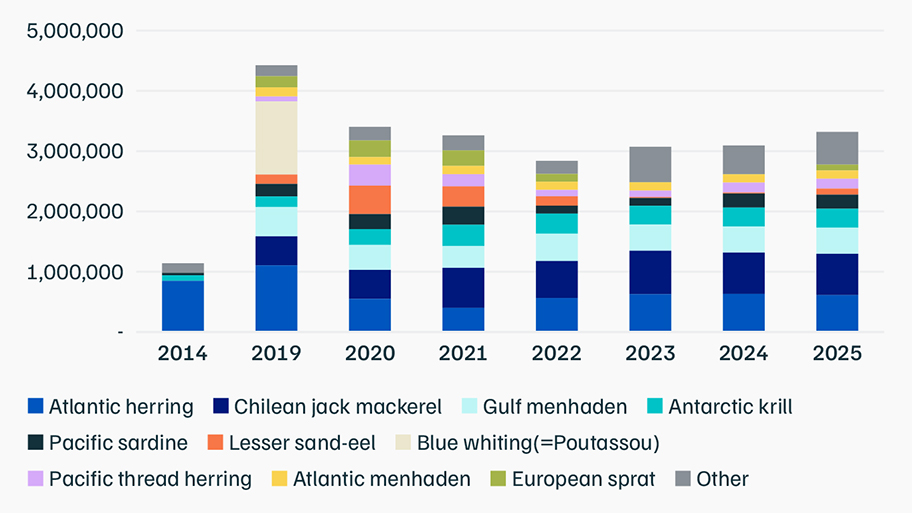
MSC certified small pelagics volumes by year (metric tonnes)
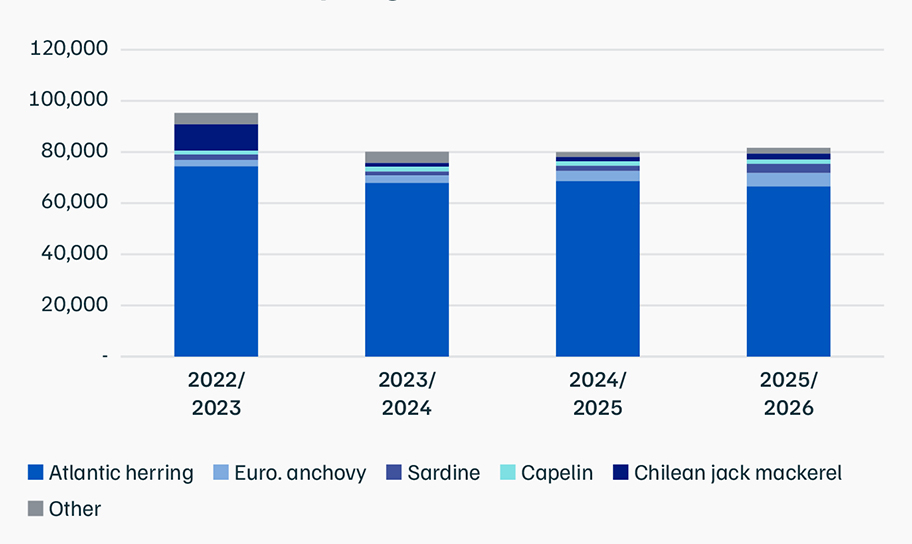
MSC labelled small pelagics (metric tonnes)
Download small pelagic fisheries data

Small Pelagics Yearbook
Market analysis and an overview of the challenges facing small pelagic fish, plus case studies of exemplary MSC certified fisheries. Our yearbook highlights the role of sustainability certification in supporting positive outcomes for people and planet.
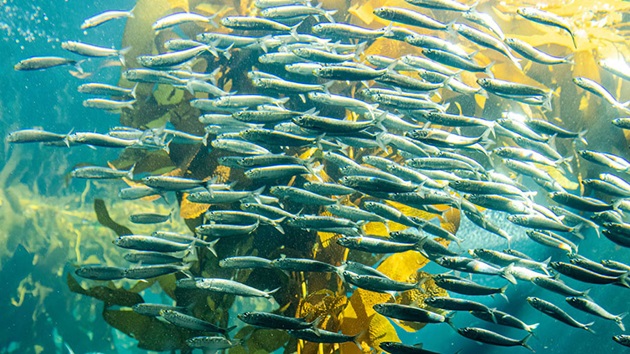
Overexploitation in the North East Atlantic
In recent years total combined catches of mackerel, Atlanto-Scandian herring and blue whiting have exceeded scientific recommendations by millions of tonnes.
North East Atlantic pelagic fisheries had their MSC certification suspended in 2019 and 2020.
Advice from the International Council for the Exploration of the Seas (ICES) in 2025 shows the sum of the unilateral quotas for mackerel has resulted in catches exceeding the scientific advice by, on average, 39% over the past 15 years, and the stock biomass is now below the critical threshold. Scientists have recommend a 77% cut in catches in 2026 and warn that failure to adhere to the advice may lead to a lower chance of stock recovery.
The MSC is calling on all states that harvest North East Atlantic mackerel, blue whiting and Atlanto-Scandian herring to make good on their commitment to secure a long-term agreement and protect these stocks into the future.
Read the latest press release:
The challenges facing North East Atlantic pelagics explained
Experts discuss the future of North East pelagic fish stocks
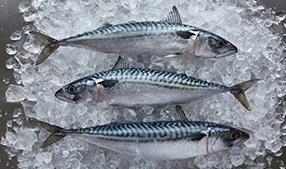
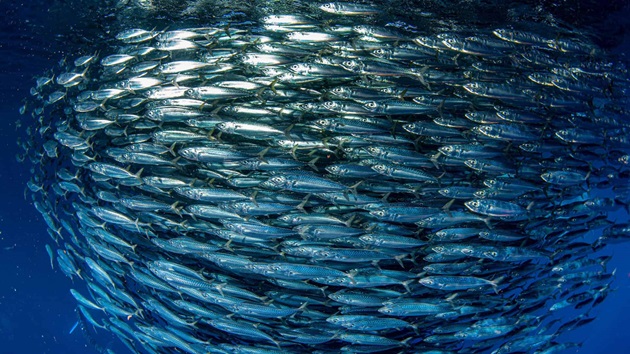
North East Atlantic pelagic fisheries report
Quota sharing agreement in urgent need
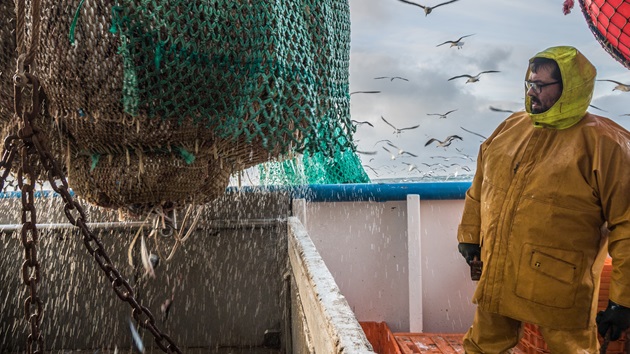
-franck-hollander-_-wwf-spotlight2.tmb-thumb300.jpg?Status=Master&Culture=en&sfvrsn=1069d5bc_1)
-omega-protein-corporation.tmb-thumb300.jpg?Status=Master&Culture=en&sfvrsn=d2d34147_1)