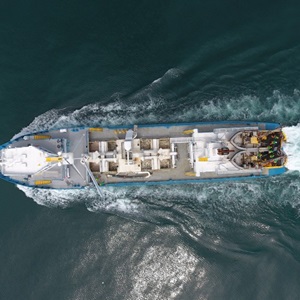
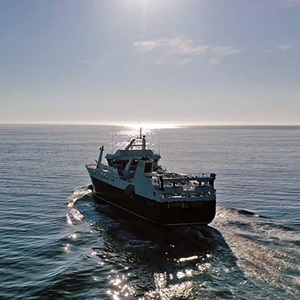
To address the growing demand for climate accountability, the MSC is developing a standardised greenhouse gas emissions reporting system. This will help MSC certified and Improvement Program fisheries calculate and record emissions from their fishing vessels.
As the threat from climate change intensifies, regulators, financial institutions and stakeholders across the seafood supply chain are calling for all industries to provide emissions data. The MSC’s GHG Reporting Project was created to support the fishing sector to credibly and consistently respond to that ask. The GHG reporting methodology and associated calculator can be used on a voluntary basis by fisheries engaged in the MSC program.
Developing an emissions reporting system for fisheries
The MSC GHG Reporting Project is led by MSC’s Senior GHGe Program Manager, Katherine Wright, a PhD student at Heriot-Watt University. The reporting system builds on her research into emissions reporting in UK fisheries and is now being expanded globally.
Throughout 2025-26, the MSC is conducting second-phase pilot studies to refine the reporting system and test data collection methods. It will also evaluate potential processes for the verification and validation of fishers’ emissions reports by conformity assessment bodies (CABs).
The pilot studies will collect and analyse greenhouse gas activity data and seek input from MSC certified fishers to ensure the system is practical and efficient.
How can fisheries benefit from the MSC reporting system?
On average, seafood production has a lower carbon footprint than other animal proteins, especially beef and pork. However, organisations in the seafood industry often lack fishing emissions data to substantiate their Environmental, Social, and Governance (ESG) reporting, or to validate their environmental sustainability claims.
Many small and medium-size seafood companies experience cost and administrative barriers to delivering credible GHG emissions reports, and to meeting increasing regulatory and customer expectations.
The MSC aims to offer a consistent and credible GHG Reporting System to help fisheries:
- reduce operational inefficiencies,
- overcome administrative and cost barriers,
- access new markets,
- qualify for financial incentives or grants,
- support the transition to net zero,
- and meet the growing body of global regulations related to climate disclosures.
“This initiative not only helps protect our marine environment but also supports the long-term resilience of our fishing companies, and the prosperity of coastal communities dependent on tuna fisheries.”
CEO, FIA PNG
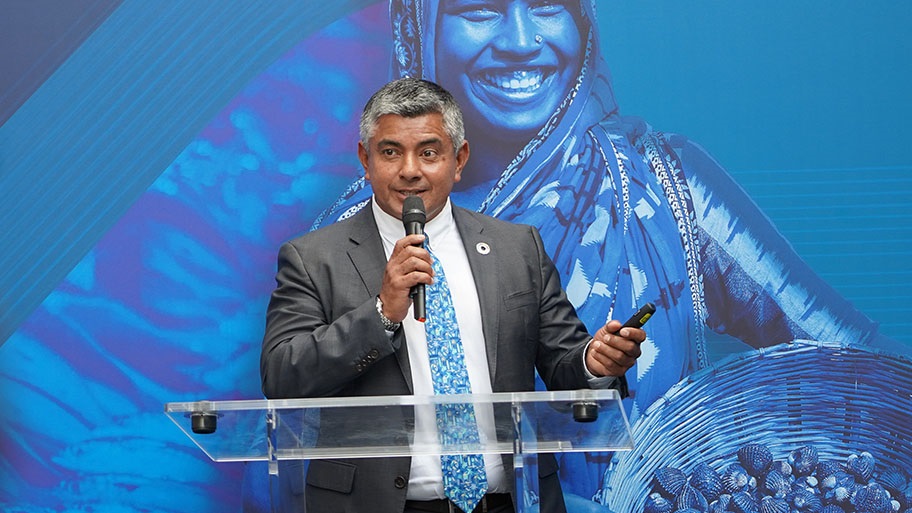
Marcelo Hidalgo
How to get involved
Fishing companies interested in participating in the second phase pilot study and learning about their greenhouse gas emissions can contact MSC Senior Project Coordinator Kate Wright for more details.