By Nick Wyke, February 2026
Healthy eating is a classic New Year’s resolution. But when the novelty starts to wear off, protein-rich, sustainable seafood offers an easy, feel-good choice to keep your goals on track.
Wherever you shop or browse, it’s hard to avoid the muscular promise of high protein. It’s right up there, with the likes of seaweed and matcha, as one of the hottest food trends of the past year or so. And as we bed into the New Year, it’s showing no sign of cooling down.
With consumer interest in healthy living continuing to rise, it’s easy to see why protein choices are making waves. Eating a healthy level of lean protein can help reduce the fat and sugar content in our diets and play a part in weight management – it makes us feel fuller for longer and reduces cravings. In addition, protein can increase muscle mass, improve bone density and it plays a critical role in the processes that fuel your energy and carry oxygen in your blood. It also helps make antibodies that fight infections and illnesses.
Gen Z are big fans of this nutritional powerhouse, their buy-in fuelled by social media influencers and tracking apps. But older generations are also tuning in to the benefits of eating more protein to maintain energy, strength and vitality as they age.
Amidst all the hype, it’s worth remembering that most of us don't need an excess of protein. If you overload, the body converts excess protein to glucose, which is stored as fat. What counts is choosing quality protein to nourish both body and planet as part of a balanced diet. And that’s where sustainable seafood excels.
Quality counts
Seafood is nature’s own high-protein superfood. It’s one of the last readily available wild-caught and natural protein resources on the planet, and it comes with multiple benefits."Basically, fish is an excellent choice,” says Clare Thornton-Wood, dietitian and spokesperson for the British Dietetic Association (BDA). "It is a complete source of protein which contains all the essential amino acids required by the body for growth and repair.
It’s also low in fat and a source of vitamins and minerals."
Seafood protein content per 100g, cooked
Wild salmon
26.5g, plus heart-healthy omega-3 fatty acids.
Shrimp/prawns
Approx. 24g, with barely any saturated fat.
Mussels
23.8g, plus a host of minerals like iron, zinc, and selenium.
Cod
Approx. 20g, with next to no saturated fat.
Unlike many "high-protein" products on supermarket shelves – shakes, powders and power bars – wild-caught fresh seafood is largely unprocessed and free from “nasties” commonly found in industrial food production. "Snacks and heavily processed foods usually contain refined oils, added sugars and extra calories for texture or flavour," says Naledi Toona, chef and MSC Ambassador in South Africa. "Sustainable seafood gives you a cleaner protein, with more dense nutrients and fewer additives. It’s kind not only to your body but the environment, too."
A natural, high quality protein like seafood offers many advantages, says Dr Joanna McMillan, a leading nutrition scientist and dietitian based in Sydney, Australia: "Most seafood hits the mark nutritionally, providing key nutrients, including many that are often low in typical Western diets, such as long-chain omega-3 fats, iodine, selenium, and vitamin D. But when choosing seafood, we also want to make sure we tick the boxes for sustainability."
Healthy choices
From salmon and tuna to cod and sardines, fish is the main ingredient for some incredibly tasty dishes (check out our healthy recipes collection!). And let’s not forget tinned fish which offers superb versatility, straight-from-the-can convenience and terrific value. In fact, tinned tuna, for example, has a similar nutritional profile to fresh tuna, retaining most of the high-quality protein, omega-3 fatty acids, vitamins, and minerals.
Raising the bar a notch are nutrient-dense tinned sardines. These small, oily fish are often highlighted as the ultimate healthy choice: rich in muscle building protein, good fats, omega-3s and a host of vitamins plus edible bones that boost bone-fortifying calcium.

“My favourite dish is salmon cooked simply in the air fryer with a splash of soy sauce to give a slightly crispy top. I add rice or noodles and a couple of portions of vegetables. I often cook two and take one to work for lunch”
(Dietitian and spokesperson for the British Dietetic Association (BDA))
/clare-t-wood-0933.tmb-thumb300.jpg?Status=Master&Culture=en&sfvrsn=7c2260b3_1)
Shellfish
Shellfish are another excellent source of animal protein. In fact, boosting your diet with natural protein is no hardship when you know such tasty ingredients as crab, shrimp and lobster are packed with protein and goodness, and relatively little fat.
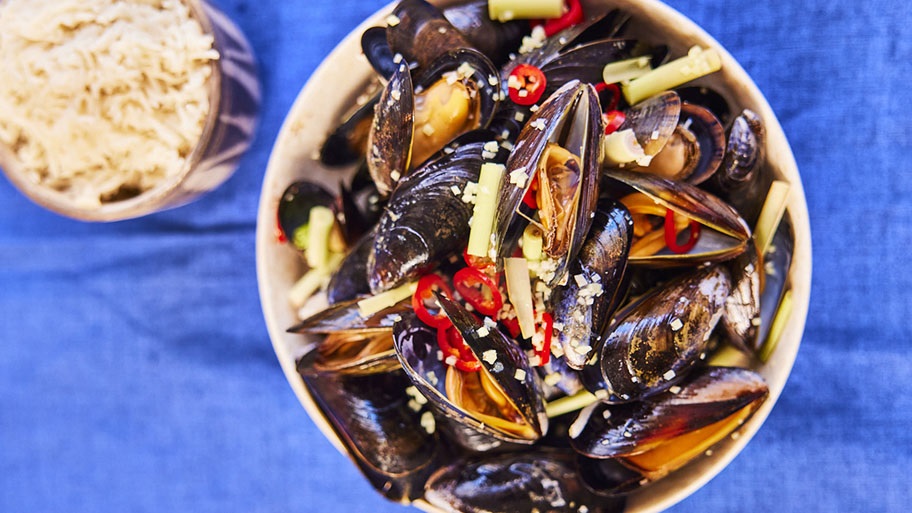
Another delicious shellfish option that’s super sustainable is mussels. As well as healthy levels of protein, mussels contain vitamin B12, omega-3 fatty acids, zinc and iron. These filter feeders, which sustain themselves on microscopic organic matter found in tidal waters, also capture and store CO2 from the atmosphere. Other mollusks such as clams, scallops and oysters pack a protein punch, too; although like all seafood, the protein becomes more concentrated by weight when cooked due to water loss. For example, while a raw oyster has 9.45g of protein per 100g, this increases to 19g when cooked.
With so many protein-packed choices, it makes sense to keep those nutrients intact during cooking. Thornton-Wood advises: "Protein itself is stable when heated – the structure does not really change unless you overcook it in which case it becomes more difficult to digest and tastes dry! Try to avoid adding too much fat. Simmering fish in milk or stock or steaming are good cooking techniques."
Ocean gains
However you cook it, sustainable seafood offers a reliable source of protein and a whole host of other nutrients. Resolving to put it on your weekly menu is a smart way to start the New Year. How often? “Serve seafood at least twice a week, including one portion of oily fish such as mackerel, salmon or sardines,” recommends Dr McMillan. Just remember to look out for the blue MSC label when shopping. It shows your seafood comes from an independently certified sustainable fishery that leaves enough fish in the sea, so future generations can enjoy healthy oceans and the pristine protein they provide!
Delicious ways to power up with seafood
Our Protein-rich seafood recipes collection is packed with tasty, nourishing dishes that make it easy to enjoy sustainable seafood every week. From whitefish to oily favorites like salmon, each recipe features MSC certified seafood that are good for your body and good to the ocean, too.Explore the collection