

5 sustainable seafood trends for 2023

title

cntent

before

title

large title

small summary

2nd tile

2nd summary

lkjhlkh

lkjhlkjh

ttuyuyt

uyuyuyuyt

uytuytuyt

khjjhgfhjgf

Select a choice

This is the title

Lorem Ipsum is simply dummy text of the printing and typesetting industry. Lorem Ipsum has been the industry's standard dummy text ever since the 1500s, when an unknown printer took a galley of type and scrambled it to make a type specimen book. It has survived not only five centuries, but also the leap into electronic typesetting, remaining essentially unchanged. It was popularised in the 1960s with the release of Letraset sheets containing Lorem Ipsum passages, and more recently with desktop publishing software like Aldus PageMaker including versions of Lorem Ipsum.
How the MSC works

Lorem Ipsum is simply dummy text of the printing and typesetting industry. Lorem Ipsum has been the industry's standard dummy text ever since the 1500s, when an unknown printer took a galley of type and scrambled it to make a type specimen book. It has survived not only five centuLorem Ipsum is simply dummy text of the printing and typesetting industry. Lorem Ipsum has.

Been the industry's standard dummy text ever since the 1500s, when an unknown printer took a galley of type and scrambled it to make a type specimen book. It has survived not only five centuLorem Ipsum is simply dummy text of the printing and typesetting industry. Lorem Ipsum has.

"To be or not to be, that is the question." - William Shakespeare
share this on twitter
or you can try ...
facebook
or even
weibo
whatsapp
Share on LINE

main title

content in here

1 title

summary 1

2 title

summary 2

4 title

summary 4

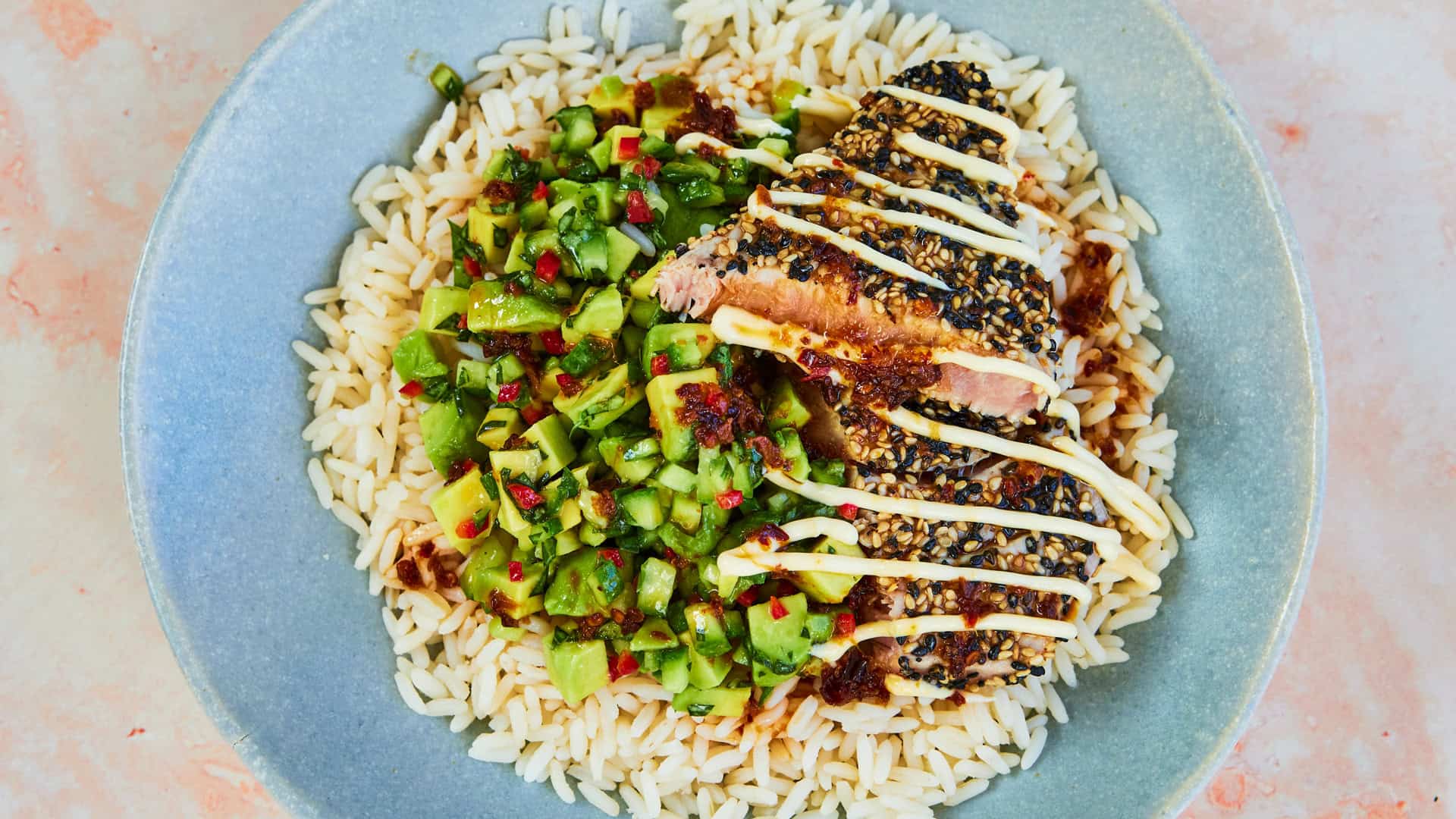
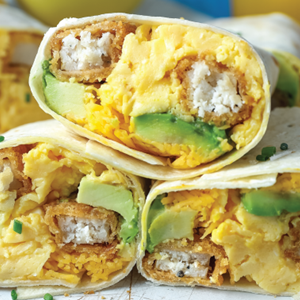
Spicy tuna bowl
Prep time
10 mins
Cooking Time
20 mins
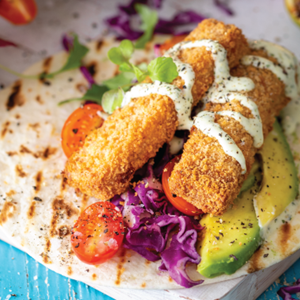
Fish Finger Tacos
Prep time
20 mins
Cooking Time
20 mins
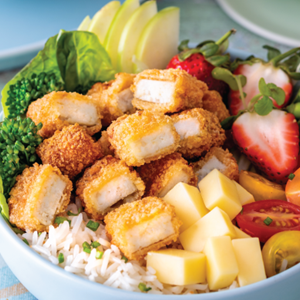
Fish Finger Poke Bowl with Avocado Dip
Prep time
20 mins
Cooking Time
20 mins
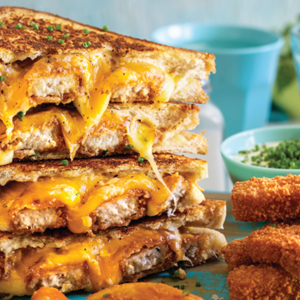
Fish Finger Grilled Cheese Sandwich
Prep time
30 mins
Cooking Time
20 mins

main title

COLUMN WIDTH - COLOUR BG - JELLYFISH Lorem Ipsum is simply dummy text of the printing and typesetting industry. Lorem Ipsum has been the industry's standard dummy text ever since the 1500s, when an unknown printer took a galley of type and scrambled it to make a type specimen book.

main title

FULL WIDTH - COLOUR BG - MSC Blue Lorem Ipsum is simply dummy text of the printing and typesetting industry. Lorem Ipsum has been the industry's standard dummy text ever since the 1500s, when an unknown printer took a galley of type and scrambled it to make a type specimen book.

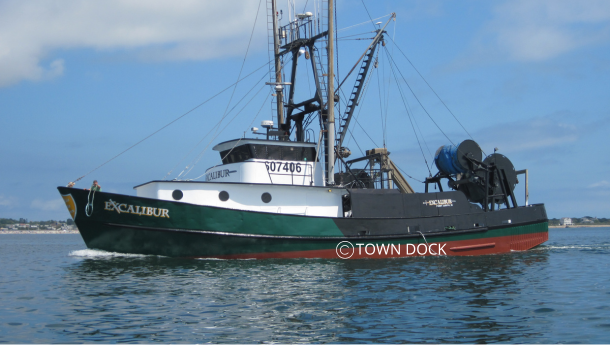
excalibur boot
vrouw in supermarkt met winkelkarretje

Lorem Ipsum is simply dummy text of the printing and typesetting industry. Lorem Ipsum has been the industry's standard dummy text ever since the 1500s, when an unknown printer took a galley of type and scrambled it to make a type specimen book. It has survived not only five centuries, but also the leap into electronic typesetting, remaining essentially unchanged. It was popularised in the 1960s with the release of Letraset sheets containing Lorem Ipsum passages, and more recently with desktop publishing software like Aldus PageMaker including versions of Lorem Ipsum.
Lorem Ipsum is simply dummy text of the printing and typesetting industry. Lorem Ipsum has been the industry's standard dummy text ever since the 1500s, when an unknown printer took a galley of type and scrambled it to make a type specimen book. It has survived not only five centuries, but also the leap into electronic typesetting, remaining essentially unchanged. It was popularised in the 1960s with the release of Letraset sheets containing Lorem Ipsum passages, and more recently with desktop publishing software like Aldus PageMaker including versions of Lorem Ipsum.
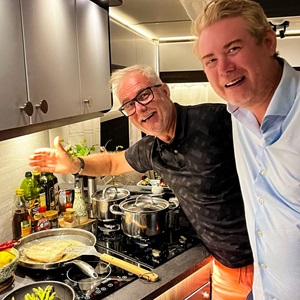
Två personer står i ett kök och lagar mat.
Lorem Ipsum is simply dummy text of the printing and typesetting industry. Lorem Ipsum has been the industry's standard dummy text ever since the 1500s, when an unknown printer took a galley of type and scrambled it to make a type specimen book. It has survived not only five centuries, but also the leap into electronic typesetting, remaining essentially unchanged. It was popularised in the 1960s with the release of Letraset sheets containing Lorem Ipsum passages, and more recently with desktop publishing software like Aldus PageMaker including versions of Lorem Ipsum.
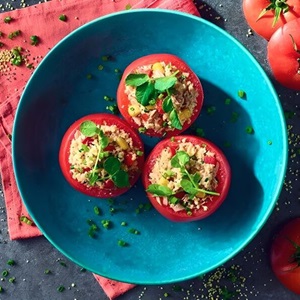
Graal xmas 2024 tuna tomate salad

Lorem Ipsum is simply dummy text of the printing and typesetting industry. Lorem Ipsum has been the industry's standard dummy text ever since the 1500s, when an unknown printer took a galley of type and scrambled it to make a type specimen book. It has survived not only five centuries, but also the leap into electronic typesetting, remaining essentially unchanged. It was popularised in the 1960s with the release of Letraset sheets containing Lorem Ipsum passages, and more recently with desktop publishing software like Aldus PageMaker including versions of Lorem Ipsum.
Lorem Ipsum is simply dummy text of the printing and typesetting industry. Lorem Ipsum has been the industry's standard dummy text ever since the 1500s, when an unknown printer took a galley of type and scrambled it to make a type specimen book. It has survived not only five centuries, but also the leap into electronic typesetting, remaining essentially unchanged. It was popularised in the 1960s with the release of Letraset sheets containing Lorem Ipsum passages, and more recently with desktop publishing software like Aldus PageMaker including versions of Lorem Ipsum.
Lorem Ipsum is simply dummy text of the printing and typesetting industry. Lorem Ipsum has been the industry's standard dummy text ever since the 1500s, when an unknown printer took a galley of type and scrambled it to make a type specimen book. It has survived not only five centuries, but also the leap into electronic typesetting, remaining essentially unchanged. It was popularised in the 1960s with the release of Letraset sheets containing Lorem Ipsum passages, and more recently with desktop publishing software like Aldus PageMaker including versions of Lorem Ipsum.

Lorem Ipsum is simply dummy text of the printing and typesetting industry. Lorem Ipsum has been the industry's standard dummy text ever since the 1500s, when an unknown printer took a galley of type and scrambled it to make a type specimen book. It has survived not only five centuries, but also the leap into electronic typesetting, remaining essentially unchanged. It was popularised in the 1960s with the release of Letraset sheets containing Lorem Ipsum passages, and more recently with desktop publishing software like Aldus PageMaker including versions of Lorem Ipsum.

Lorem Ipsum is simply dummy text of the printing and typesetting industry. Lorem Ipsum has been the industry's standard dummy text ever since the 1500s, when an unknown printer took a galley of type and scrambled it to make a type specimen book. It has survived not only five centuries, but also the leap into electronic typesetting, remaining essentially unchanged. It was popularised in the 1960s with the release of Letraset sheets containing Lorem Ipsum passages, and more recently with desktop publishing software like Aldus PageMaker including versions of Lorem Ipsum.

new content

there is a lot of text here

summary

How do oceans support communities?

How does the ocean provide the oxygen we breath?

summary

34

suspended

By Nick Wyke

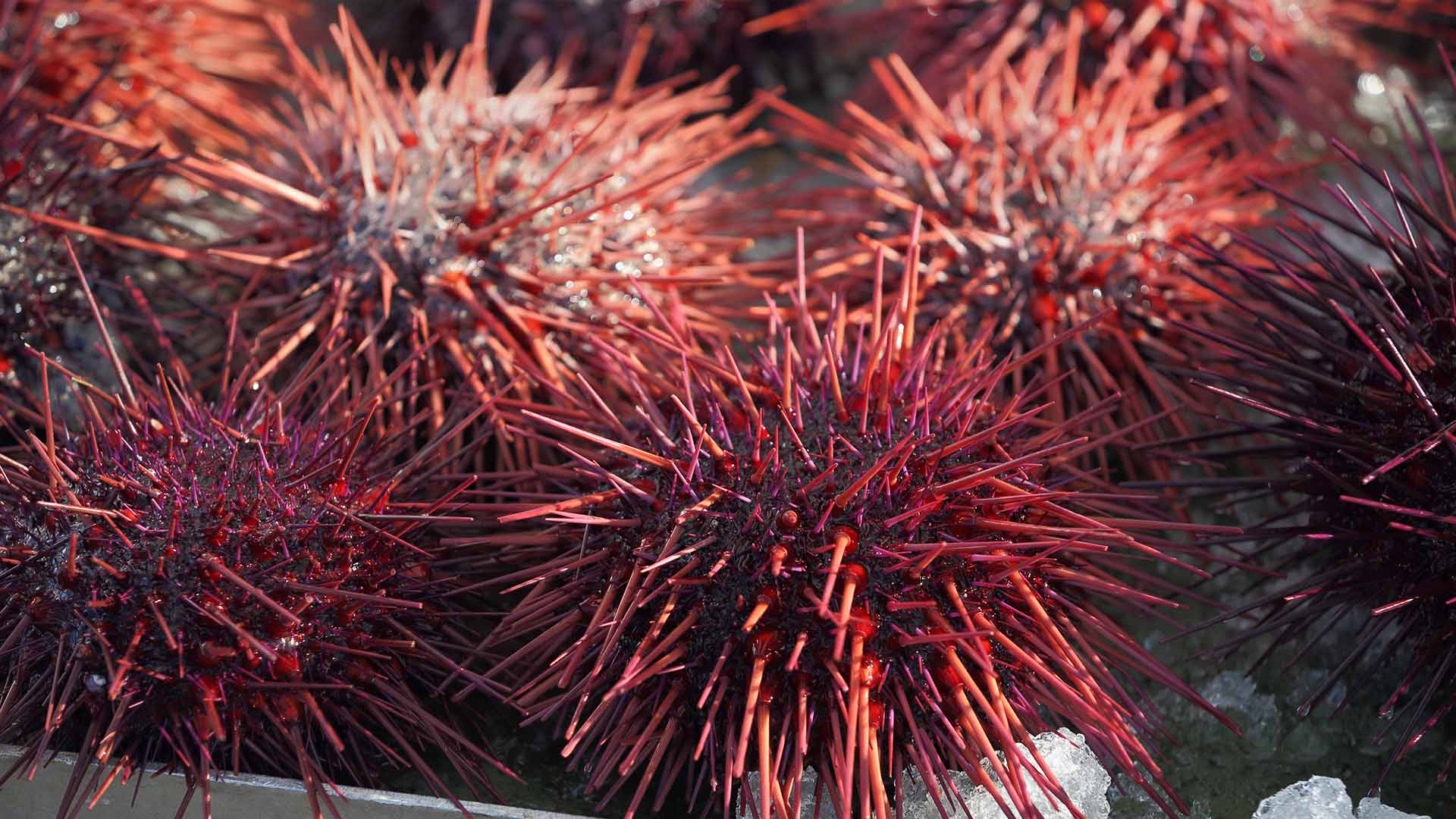
panier rempli doursins
Budget-saving hacks and making the most of what you buy are always key trends during tough economic times. Enter canned fish, a 19th-century innovation that’s still going strong. It ticks a whole host of boxes including being a good-value protein that’s more versatile than fresh fish and often less wasteful, with up to 100 per cent of the catch being eaten. Tuna is many people’s go-to tinned fish but why not cast your net wider and try mackerel, sardines, mussels, anchovies, clams, cockles or wild Pacific pink and red salmon? They are affordable, often surprisingly delicious and available with the MSC blue label indicating that they have been fished sustainably. Seafood chef and cookbook author Bart van Olphen is a canned fish evangelist. “Tinned fish is a very efficient product with a long shelf life at a very attractive price. It’s a 100 per cent natural product that is mostly wild – it’s rare to find farmed fish in a tin. But if you’d like to eat seafood forever then it needs to be sustainably sourced.” He adds: “You can create the most amazing things with tinned fish. The key is to add acidity, colour and crispy ingredients to bring out the best in the likes of tuna and salmon.” For a deep umami flavour, Bart recommends sardines and anchovies. “The Portuguese prefer aged sardines which, like good wine, only improve with time. They are great in curries (just add at the last minute), quiches, rice dishes or in a fisherman’s huevos rancheros.” Or you could really push the boat out and try an open tinned fish sharing board, inspired by a TikTok date night video that went viral last year. Worth a mention as an extension of the ‘thrifty’ trend are air fryers. These energy-light cookers continue to fly off the shelves and are ideal for the likes of Thai crab cakes, garlic shrimp and fish fingers.
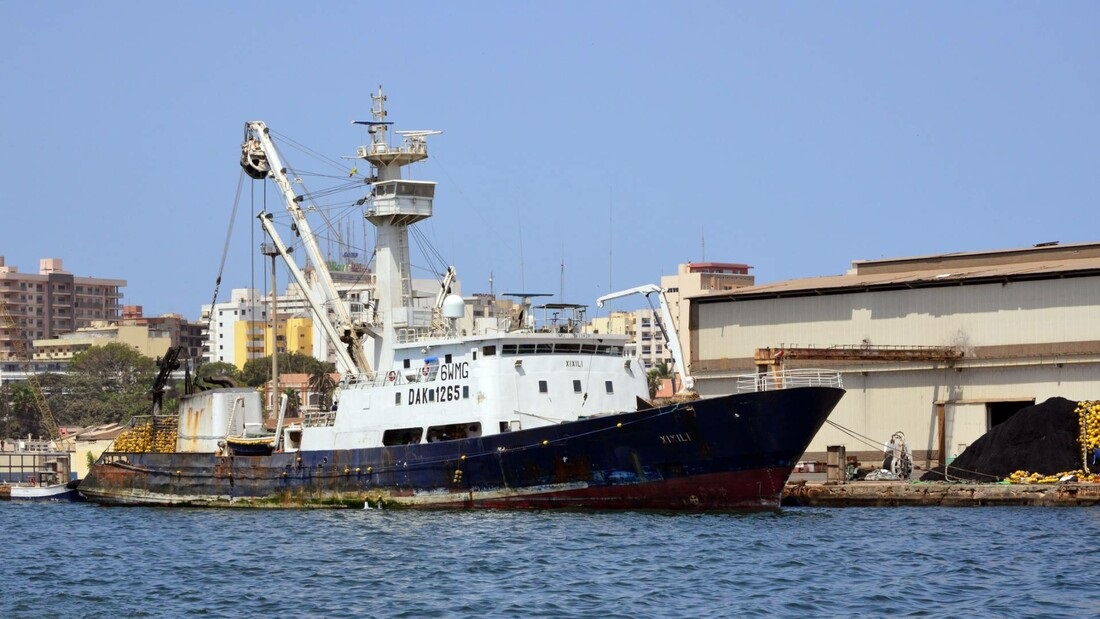
A tuna vessel in the port of Dakar
tre a tavola
Budget-saving hacks and making the most of what you buy are always key trends during tough economic times. Enter canned fish, a 19th-century innovation that’s still going strong. It ticks a whole host of boxes including being a good-value protein that’s more versatile than fresh fish and often less wasteful, with up to 100 per cent of the catch being eaten. Tuna is many people’s go-to tinned fish but why not cast your net wider and try mackerel, sardines, mussels, anchovies, clams, cockles or wild Pacific pink and red salmon? They are affordable, often surprisingly delicious and available with the MSC blue label indicating that they have been fished sustainably. Seafood chef and cookbook author Bart van Olphen is a canned fish evangelist. “Tinned fish is a very efficient product with a long shelf life at a very attractive price. It’s a 100 per cent natural product that is mostly wild – it’s rare to find farmed fish in a tin. But if you’d like to eat seafood forever then it needs to be sustainably sourced.” He adds: “You can create the most amazing things with tinned fish. The key is to add acidity, colour and crispy ingredients to bring out the best in the likes of tuna and salmon.” For a deep umami flavour, Bart recommends sardines and anchovies. “The Portuguese prefer aged sardines which, like good wine, only improve with time. They are great in curries (just add at the last minute), quiches, rice dishes or in a fisherman’s huevos rancheros.” Or you could really push the boat out and try an open tinned fish sharing board, inspired by a TikTok date night video that went viral last year. Worth a mention as an extension of the ‘thrifty’ trend are air fryers. These energy-light cookers continue to fly off the shelves and are ideal for the likes of Thai crab cakes, garlic shrimp and fish fingers.
SWIOCEPH Symposium 2020

Budget-saving hacks and making the most of what you buy are always key trends during tough economic times. Enter canned fish, a 19th-century innovation that’s still going strong. It ticks a whole host of boxes including being a good-value protein that’s more versatile than fresh fish and often less wasteful, with up to 100 per cent of the catch being eaten. Tuna is many people’s go-to tinned fish but why not cast your net wider and try mackerel, sardines, mussels, anchovies, clams, cockles or wild Pacific pink and red salmon? They are affordable, often surprisingly delicious and available with the MSC blue label indicating that they have been fished sustainably. Seafood chef and cookbook author Bart van Olphen is a canned fish evangelist. “Tinned fish is a very efficient product with a long shelf life at a very attractive price. It’s a 100 per cent natural product that is mostly wild – it’s rare to find farmed fish in a tin. But if you’d like to eat seafood forever then it needs to be sustainably sourced.” He adds: “You can create the most amazing things with tinned fish. The key is to add acidity, colour and crispy ingredients to bring out the best in the likes of tuna and salmon.” For a deep umami flavour, Bart recommends sardines and anchovies. “The Portuguese prefer aged sardines which, like good wine, only improve with time. They are great in curries (just add at the last minute), quiches, rice dishes or in a fisherman’s huevos rancheros.” Or you could really push the boat out and try an open tinned fish sharing board, inspired by a TikTok date night video that went viral last year. Worth a mention as an extension of the ‘thrifty’ trend are air fryers. These energy-light cookers continue to fly off the shelves and are ideal for the likes of Thai crab cakes, garlic shrimp and fish fingers.

Budget-saving hacks and making the most of what you buy are always key trends during tough economic times. Enter canned fish, a 19th-century innovation that’s still going strong. It ticks a whole host of boxes including being a good-value protein that’s more versatile than fresh fish and often less wasteful, with up to 100 per cent of the catch being eaten. Tuna is many people’s go-to tinned fish but why not cast your net wider and try mackerel, sardines, mussels, anchovies, clams, cockles or wild Pacific pink and red salmon? They are affordable, often surprisingly delicious and available with the MSC blue label indicating that they have been fished sustainably. Seafood chef and cookbook author Bart van Olphen is a canned fish evangelist. “Tinned fish is a very efficient product with a long shelf life at a very attractive price. It’s a 100 per cent natural product that is mostly wild – it’s rare to find farmed fish in a tin. But if you’d like to eat seafood forever then it needs to be sustainably sourced.” He adds: “You can create the most amazing things with tinned fish. The key is to add acidity, colour and crispy ingredients to bring out the best in the likes of tuna and salmon.” For a deep umami flavour, Bart recommends sardines and anchovies. “The Portuguese prefer aged sardines which, like good wine, only improve with time. They are great in curries (just add at the last minute), quiches, rice dishes or in a fisherman’s huevos rancheros.” Or you could really push the boat out and try an open tinned fish sharing board, inspired by a TikTok date night video that went viral last year. Worth a mention as an extension of the ‘thrifty’ trend are air fryers. These energy-light cookers continue to fly off the shelves and are ideal for the likes of Thai crab cakes, garlic shrimp and fish fingers.

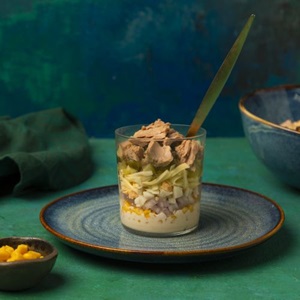
sałatka na święta, tuńczyk, Katarzyna Żak

Budget-saving hacks and making the most of what you buy are always key trends during tough economic times. Enter canned fish, a 19th-century innovation that’s still going strong. It ticks a whole host of boxes including being a good-value protein that’s more versatile than fresh fish and often less wasteful, with up to 100 per cent of the catch being eaten. Tuna is many people’s go-to tinned fish but why not cast your net wider and try mackerel, sardines, mussels, anchovies, clams, cockles or wild Pacific pink and red salmon? They are affordable, often surprisingly delicious and available with the MSC blue label indicating that they have been fished sustainably. Seafood chef and cookbook author Bart van Olphen is a canned fish evangelist. “Tinned fish is a very efficient product with a long shelf life at a very attractive price. It’s a 100 per cent natural product that is mostly wild – it’s rare to find farmed fish in a tin. But if you’d like to eat seafood forever then it needs to be sustainably sourced.” He adds: “You can create the most amazing things with tinned fish. The key is to add acidity, colour and crispy ingredients to bring out the best in the likes of tuna and salmon.” For a deep umami flavour, Bart recommends sardines and anchovies. “The Portuguese prefer aged sardines which, like good wine, only improve with time. They are great in curries (just add at the last minute), quiches, rice dishes or in a fisherman’s huevos rancheros.” Or you could really push the boat out and try an open tinned fish sharing board, inspired by a TikTok date night video that went viral last year. Worth a mention as an extension of the ‘thrifty’ trend are air fryers. These energy-light cookers continue to fly off the shelves and are ideal for the likes of Thai crab cakes, garlic shrimp and fish fingers.

Budget-saving hacks and making the most of what you buy are always key trends during tough economic times. Enter canned fish, a 19th-century innovation that’s still going strong. It ticks a whole host of boxes including being a good-value protein that’s more versatile than fresh fish and often less wasteful, with up to 100 per cent of the catch being eaten. Tuna is many people’s go-to tinned fish but why not cast your net wider and try mackerel, sardines, mussels, anchovies, clams, cockles or wild Pacific pink and red salmon? They are affordable, often surprisingly delicious and available with the MSC blue label indicating that they have been fished sustainably. Seafood chef and cookbook author Bart van Olphen is a canned fish evangelist. “Tinned fish is a very efficient product with a long shelf life at a very attractive price. It’s a 100 per cent natural product that is mostly wild – it’s rare to find farmed fish in a tin. But if you’d like to eat seafood forever then it needs to be sustainably sourced.” He adds: “You can create the most amazing things with tinned fish. The key is to add acidity, colour and crispy ingredients to bring out the best in the likes of tuna and salmon.” For a deep umami flavour, Bart recommends sardines and anchovies. “The Portuguese prefer aged sardines which, like good wine, only improve with time. They are great in curries (just add at the last minute), quiches, rice dishes or in a fisherman’s huevos rancheros.” Or you could really push the boat out and try an open tinned fish sharing board, inspired by a TikTok date night video that went viral last year. Worth a mention as an extension of the ‘thrifty’ trend are air fryers. These energy-light cookers continue to fly off the shelves and are ideal for the likes of Thai crab cakes, garlic shrimp and fish fingers.

Budget-saving hacks and making the most of what you buy are always key trends during tough economic times. Enter canned fish, a 19th-century innovation that’s still going strong. It ticks a whole host of boxes including being a good-value protein that’s more versatile than fresh fish and often less wasteful, with up to 100 per cent of the catch being eaten. Tuna is many people’s go-to tinned fish but why not cast your net wider and try mackerel, sardines, mussels, anchovies, clams, cockles or wild Pacific pink and red salmon? They are affordable, often surprisingly delicious and available with the MSC blue label indicating that they have been fished sustainably. Seafood chef and cookbook author Bart van Olphen is a canned fish evangelist. “Tinned fish is a very efficient product with a long shelf life at a very attractive price. It’s a 100 per cent natural product that is mostly wild – it’s rare to find farmed fish in a tin. But if you’d like to eat seafood forever then it needs to be sustainably sourced.” He adds: “You can create the most amazing things with tinned fish. The key is to add acidity, colour and crispy ingredients to bring out the best in the likes of tuna and salmon.” For a deep umami flavour, Bart recommends sardines and anchovies. “The Portuguese prefer aged sardines which, like good wine, only improve with time. They are great in curries (just add at the last minute), quiches, rice dishes or in a fisherman’s huevos rancheros.” Or you could really push the boat out and try an open tinned fish sharing board, inspired by a TikTok date night video that went viral last year. Worth a mention as an extension of the ‘thrifty’ trend are air fryers. These energy-light cookers continue to fly off the shelves and are ideal for the likes of Thai crab cakes, garlic shrimp and fish fingers.

banner