


Science-based decision making in France’s Baie de Seine allows the scallop fishery to thrive, with “fallow” zones and strict gear controls helping the exploitable biomass reach its highest levels in 30 years.
Fishery
Baie de Seine scallop dredge
Location
Normandy, France
Status
MSC certified since November 2025
In the nutrient-rich waters of the Baie de Seine in the Eastern Channel, Great Atlantic scallops can reach the harvestable size of 110mm in just two to three years. Scallops are short-lived species and the population of a stock can vary significantly year on year. This can make typical stock assessment models less effective and can even mean that management advice is based on “out-of-date" data, which is no longer representative of stock status.
To counter this, the Baie de Seine scallop dredge fishery has partnered with Ifremer, the French Research Institute for Exploitation of the Sea, since 1976 to inform decisions on how to manage the stock.
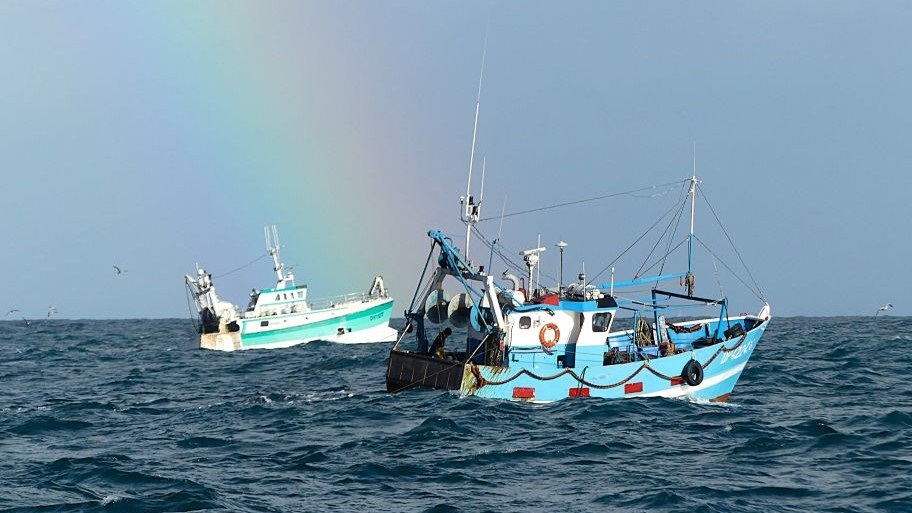
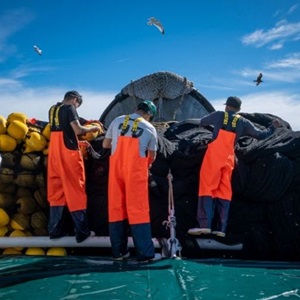
Scallops dredge vessels at sea ©NFM
Setting sustainable management measures
Each year, Ifremer deploys research vessels to directly assess the scallop stock. Data is gathered on the weight of the stock (biomass), age and size of the scallops, and distribution. These surveys take place in July when one-year-old scallops have grown enough to be captured by the scientific dredges used for sampling and to allow sufficient time for the results to be processed before the commercial season opens in October.
The findings are used to set exact opening dates and quotas to manage the resource sustainably over time. Good participation by fishers in the decision-making process helps to make it transparent and effective.
A rotational system
Robust regulations are also in place to ensure the stocks are fished sustainably. Restricting the fishing season from October to May allows the scallops to reproduce during the summer months. While a rotational 'fallow' system, introduced in 2016, allows the stock to regenerate without being disturbed by fishing.
The areas for closure are identified through the annual survey and include regions with high densities of juvenile scallops. This helps to improve the survival of juveniles into adulthood.
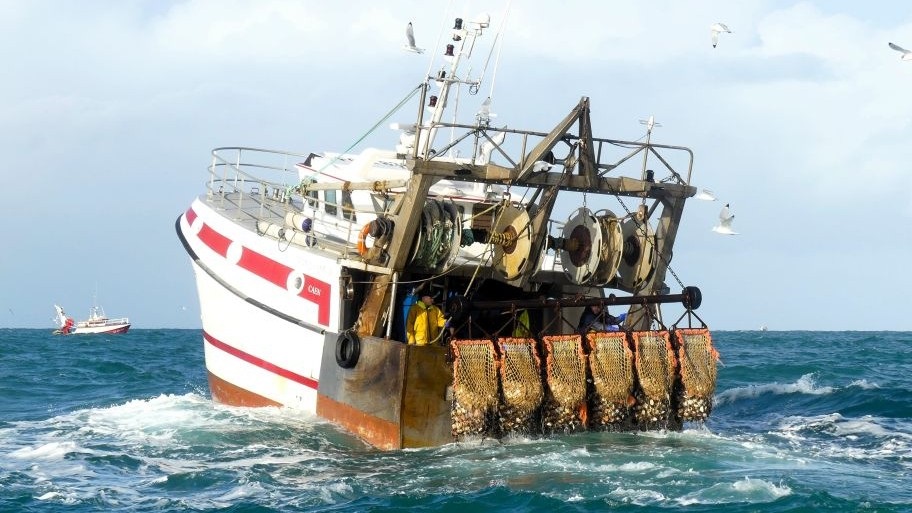
Scallop vessel in the MSC certified Baie de Seine fishery with dredge nets ©NFM
Meeting the minimum size
There is also a minimum size restriction of 110mm in place, which ensures scallops can only be retained if they are well above the size of maturity. The fishery uses dredge gear to catch scallops and must ensure that the rings of the dredge net meet a minimum size (97mm) to reduce unwanted catch of undersized scallops. This ensures that juvenile scallops remain on the seabed for future seasons. To double-check, fishers also measure each shell with a hand-held gauge to ensure only those that meet the minimum size are retained and smaller scallops are returned to sea.
Years of rigorous management put in place by fishers and informed by annual Ifremer surveys enabled the fishery to achieve MSC certification in November 2025. While the biomass reached record levels in 2024, the certification ensures that the fishery operates under a framework that can adapt to fluctuations, such as the lower juvenile recruitment (low numbers of juveniles maturing into the adult population) observed in the July 2025 survey.
The fishery has gone to great lengths to collect good data on catches and is now making sure that these efforts are incorporated into key decisions, for an even more robust management system.
“This label [MSC] is a symbol of pride and a turning point. It rewards 30 years of collective work and exemplary management: fallow land, leftover policy, stock monitoring...”
President of the Comité Régional des Pêches de Normandie (Normandy Regional Fisheries Committee)
Read our full report
Find out more
The early warning system protecting sardines
