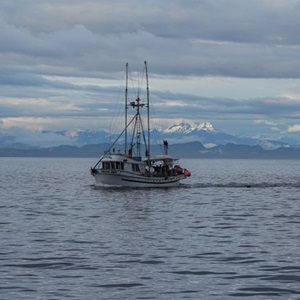
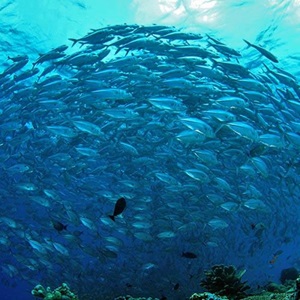
A preventative approach to management has helped rebuild small pelagic stocks, with the available biomass of Pacific sardines approximately doubling between 2013 and 2021.
Fishery
Small Pelagics Fishery in Sonora, Gulf of California
Location
Mexico
Status
MSC certified since July 2011
The long sliver of water enclosed by the Mexican mainland and the Baja California peninsula is one of the world’s richest ecosystems.
These pristine waters yielded rich pickings for many years until overfishing in the 1980s triggered a collapse of the Pacific sardine stock in the early 1990s. The ripple effect of the collapse impacted the regional marine ecosystem and had severe economic consequences for communities relying on the fishery for their food security and livelihoods.
In the following two decades stocks fluctuated unpredictably, often due to climate related changes alongside fishing pressure. Catch even reached historic lows below 5,000 tonnes in the immediate years after the Sonora small pelagics fishery achieved MSC certification in 2011.
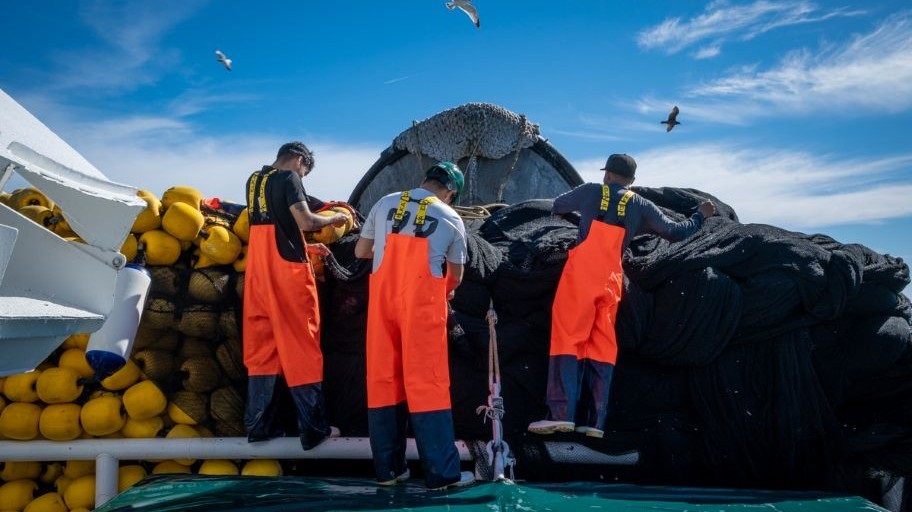
Fishers in the Sonora small pelagics fishery with purse seine net ©MSC
Rebuilding the stock
The small pelagics purse seine fishery – Mexico’s largest by volume – faced a challenge: how to rebuild and stabilise a stock that is highly sensitive to environmental changes. Factors such as sea surface temperature and ocean currents directly impact the distribution and abundance of these stocks, and influence how many juvenile fish mature into adulthood. For example, historical El Niño Southern Oscillations (ENSO) have warmed waters and driven dramatic declines in Pacific sardine numbers.
Past fishery collapses left a clear lesson: the small pelagic fishery management had to be agile and resilient, able to adapt to natural stock fluctuations, rather than unintentionally amplifying them.
Sounding the alarm
The Sonora small pelagics fishery has chosen a preventive approach, even though managing a multi-species fishery presents significant challenges. The strategy relies on conducting annual stock assessments for each target species and setting a precautionary quota for each one. Exceeding the quota for any single species can trigger the closure of the fishing season for all species.
To prevent quotas being exceeded, Sonora’s fishers took action and developed a type of early warning system that requires all vessels to record catch data, which is analysed and issues real-time alerts if a quota is being approached. The system relies on collaboration and cooperation between different stakeholders, including the skippers of 50 vessels. Their shared ownership has clearly paid off as since the system’s introduction and refining, quotas have not been exceeded.
“The fishery monitoring system puts shared responsibility into practice.”
President of the Sonora Chapter, National Chamber of the Fishing and Aquaculture Industries
Supporting the ecosystem
Ensuring the Pacific sardine stock and the rest of the small pelagics targeted by this fishery are healthy and not overfished is of additional importance as these forage fish are a key source of food for other animals such as larger fish, seabirds and marine mammals. Significant research has been carried out to understand the role of sardines within the ecosystem, and to develop models to estimate catch limits that will ensure the ecosystem can continue to function.
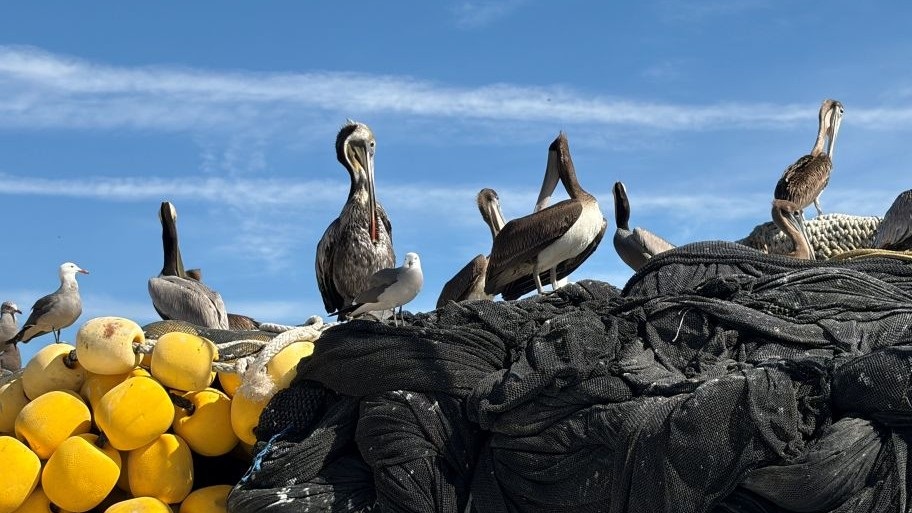
Pelicans sitting on nets at the small pelagics fishery in Sonora, Mexico ©MSC
Continuing to improve
The majority of the catch is reduced into fishmeal and fish oil, primarily used to feed livestock and farmed fish. Aquaculture has been the fastest-growing food production sector of the last 50 years with the demand for farmed fish putting pressure on wild-capture of small pelagics such as sardines and herring.
In light of these pressures, the fishery is working to further improve stock management as a condition of MSC certification. This includes providing evidence that the tools used to comply with harvest control rules are effective (for chub mackerel, thread herring, Pacific sardine), and that well-defined harvest control rules are in place (for Pacific anchoveta and California Anchovy).
“A sustainable fishery supports community wellbeing, strengthens the value chain, and safeguards national food sovereignty, with respect for the ocean.”
President of the Sonora Chapter, National Chamber of the Fishing and Aquaculture Industries
Read our full report
Find out more

Safeguarding scallops through annual surveys