MSC Nordic Seafood Futures 2026
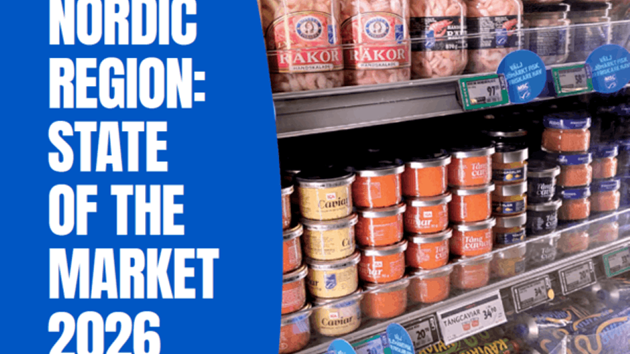
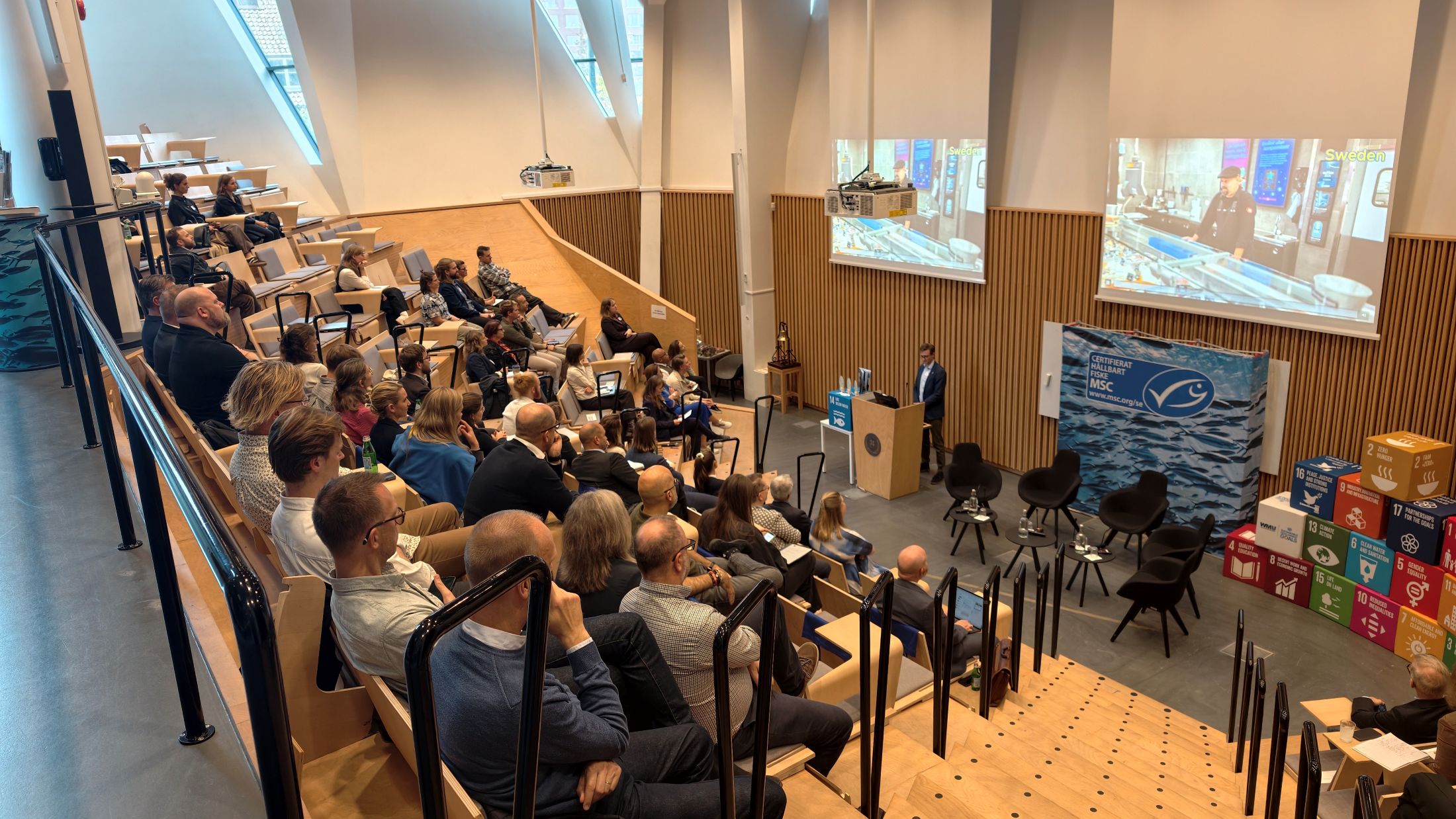
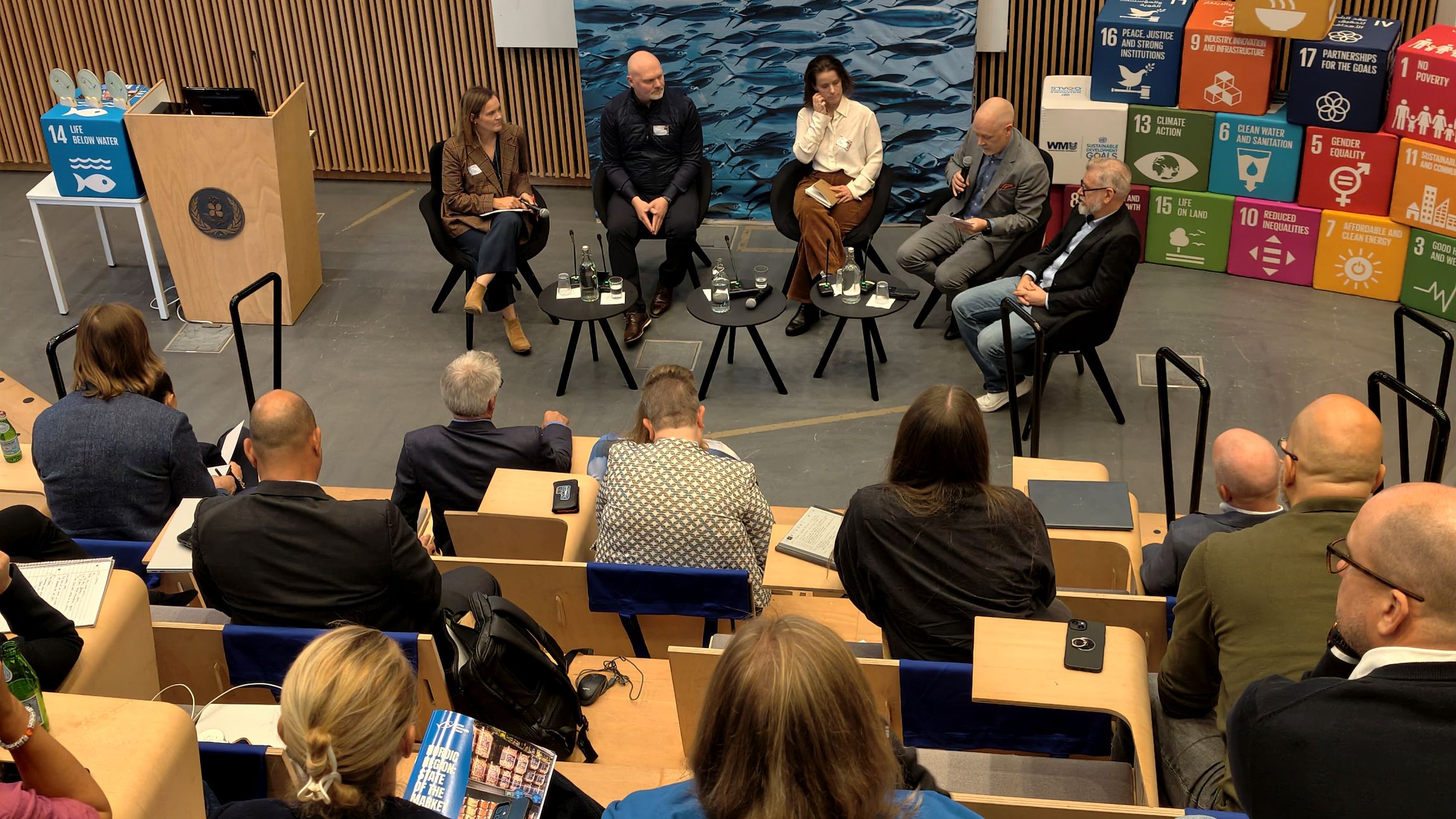
The first ever MSC Nordic Seafood Futures - Nordic event for MSC partners and stakeholders - took place on the 7th of October at World Maritime University in Malmö. The event marked the launch of the Nordic State of the Market Report, the first of its kind to showcase data and insights from Sweden, Norway, Denmark, and Finland, and further offered a unique opportunity for retailers, producers, NGOs and stakeholders to come together to discuss the current state and future of sustainable seafood.
EVENT HIGHLIGHTS
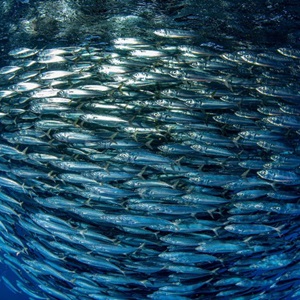
- Discussions on the future of sustainable herring
- Industry perspectives on sustainable whitefish supply
- Insights into seafood consumer behaviour
- MSC Nordic Golden Fish Awards 2026 ceremony
- Networking among Nordic seafood stakeholders
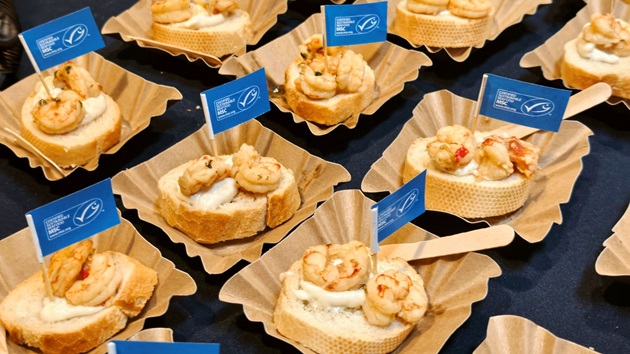
- Royal Foods Argentinian red shrimp
More than 60 participants representing retailers, fisheries, processors, brands, NGOs, universities and industry organisations from Sweden, Denmark, Norway, Iceland, Finland and United Kingdom attended the event.
Inspiring Perspectives from Across the Seafood sector
MSC Nordic Seafood Futures opened with a keynote from Prof. Francis Neat representing World Maritime University, followed by Lova Schildt from WWF and finally Anna Blässar from Kesko, offering diverse perspectives on the future of sustainable seafood.
They shared insights on the environmental, economic, and consumer trends shaping the seafood sector. Together, their presentations highlighted both the challenges and opportunities facing the industry and emphasized the importance of collaboration across the value chain.
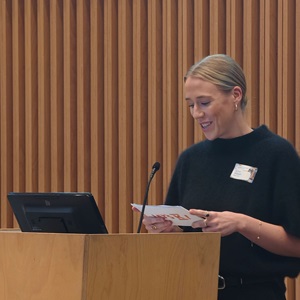
Anna Blässar, Kesko (Retailer)
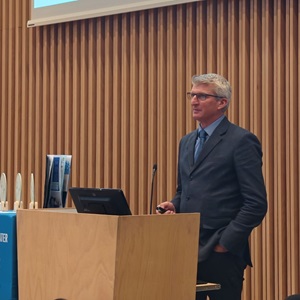
Prof. Francis Neat, WMU (Science/University)
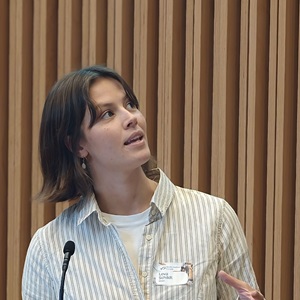
Lova Schildt, WWF Sweden (NGO)
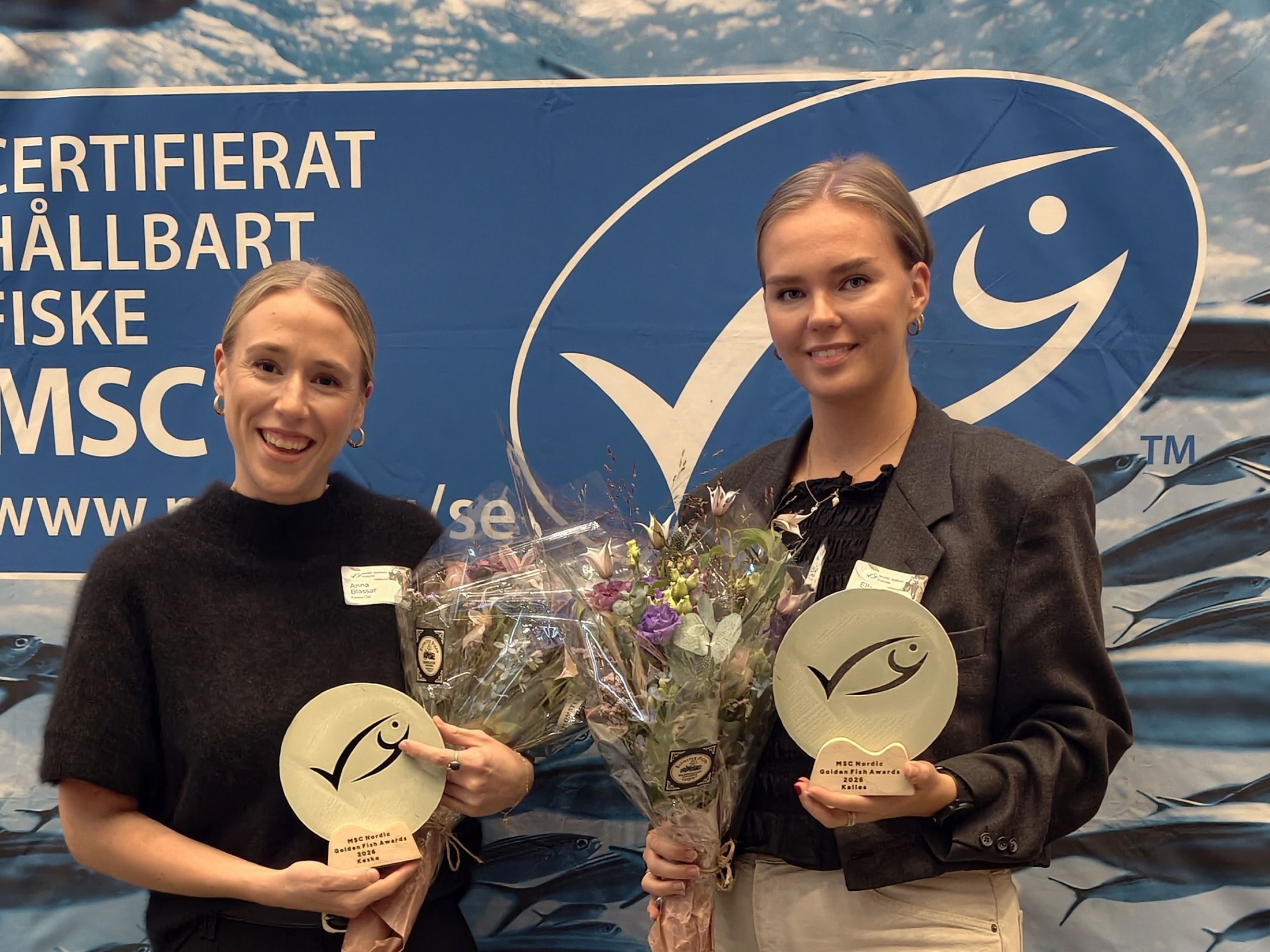
MSC Nordic Golden Fish Awards 2026 - Winners
Retailer Award Winner 2026🏆
Kesko (Finland)
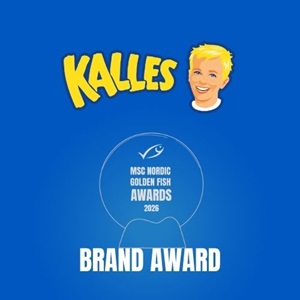
Brand Award Winner 2026🏆
Kalles - Orkla Foods (Sweden)
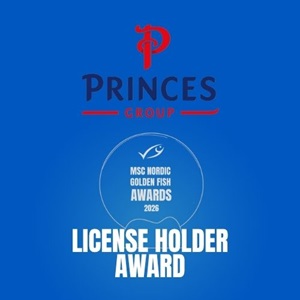
License Holder Award Winner 2026🏆
Princes Foods BV
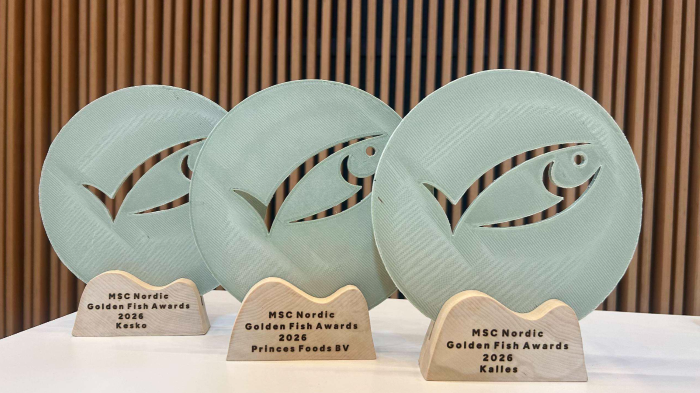
The MSC Nordic Golden Fish Awards are made from recycled fishing nets
Top takeaways
Securing the future of herring
Challenges are continuing for one of the Nordic region's most important fish species. The importance of North Sea herring and continued progress towards sustainable, science-based fisheries management therefore came to focus. Panelists emphasized the need for collaboration between industry, fisheries, scientists and policymakers to help safeguard the future of this vital resource.
Whitefish continues to set the benchmark
Whitefish remains one of the strongest examples of sustainability at scale. 71% of all global whitefish catches are now MSC certified, demonstrating the significant progress that has been made through industry commitment and robust fisheries management. Maintaining this momentum is essential in securing sustainable supply for future generations.
Consumers care about the ocean
Ocean health and sustainability remain highly relevant topics for Nordic consumers, however, shoppers must often balance multiple priorities at the point of purchase. While independent certification can help consumers navigate sustainability claims and make informed choices, price and health considerations continue to be the strongest drivers of purchasing decisions.
Collaboration is key
Across all sessions, a clear message emerged: creating a sustainable future for seafood requires collaboration across the entire value chain. From fisheries and producers to retailers, NGOs and consumers, collective action will be critical in ensuring healthy oceans and sustainable seafood supplies for the future.
Presentation materials and reports
 PDF - 3 MB
Looking back - photos from the event
MSC in the Nordics in numbers
The Nordic countries are some of the key markets for sustainable seafood globally. Here are some key figures from our latest report.
+90,000
tonnes of MSC-certified sales from the Nordic fisheries in the 2025/2026 forecast, which is up 4% year on year
47%
of the total Nordic market consists of whitefish (approximately 42,000 tonnes)
4,026
tonnes of pet food are sold across the Nordics. This is a small but important category that has grown by 346% over the last five years.
+2,400
MSC-certified products are available across the Nordic markets