Salmon is well known among processors and consumers worldwide. It is highly valued for its flavorful flesh, rich content of omega-3 fatty acids and other essential nutrients, as well as for its roe, which is used to produce red caviar.
The MSC program applies exclusively to wild-caught fish species. Wild salmon has been included in the program for more than 20 years, and currently 62.4% of the global wild salmon catch is MSC certified.
Check key facts by country
Discover sustainable wild salmon in the MSC program
on-line, Monday, 2 March 2026, 1:00-2:00 pm (CET)
HOW TO DISTINGUISH BETWEEN WILD AND FARMED SALMON?
Wondering how to tell wild salmon products apart from farmed ones? Below are a few simple tips to help you spot the difference.
CHECK THE NAME ON THE LABEL
• The label may state “farmed” or “wild”
• Terms such as “Pacific” or “Alaskan” usually indicate wild-caught salmon, although some of these species are also farmed.
• Terms such as “Atlantic”, “Norwegian”, “Scottish”, “Islandic” usually refer to farmed salmon.
• The Latin name listed on the packaging reveals exactly which species of salmon was used (see species overview above). However, remember that even some Pacific salmon species are now farmed. | LOOK FOR ECOLABELSCredible ecolabels help consumers distinguish between wild-caught and farmed fish and also provide assurance of responsible sourcing.
|
Did you know?
Salmon are anadromous fish, meaning they spend part of their lives in freshwater and part in saltwater. They are born in rivers and streams, where they spend several months to several years developing before migrating to the ocean. Eventually, they return to freshwater - often to the very river where they were born - to spawn the next generation.
wild salmon recipes
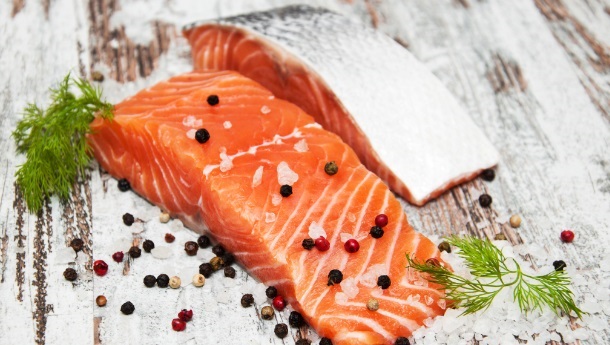
Typically, wild salmon has firm flesh and ranges in colour from red to orange due to a diet rich in crustaceans and other marine organisms. It is valued for its nutritional profile, providing high-quality protein and long-chain omega-3 fatty acids (EPA and DHA), as well as a variety of vitamins and minerals.
The most common salmon species
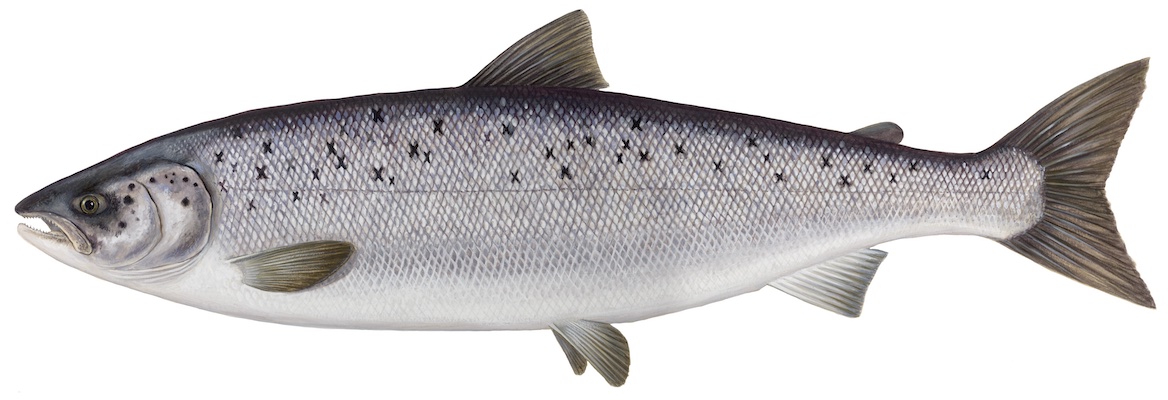
There are seven known species of Pacific salmon: five occur in the North Pacific: pink, keta, coho, sockeye, king - while masu and amago occur only in Pacific Asia. There is also one species of Atlantic salmon, which is now mainly farmed.
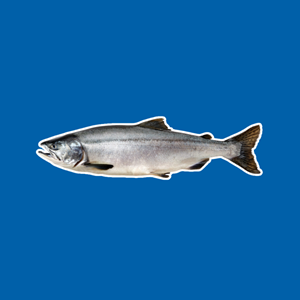
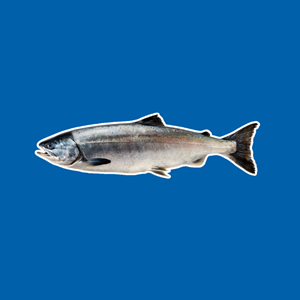
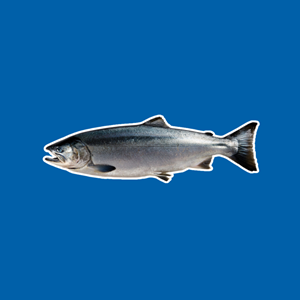
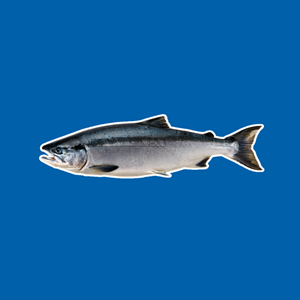
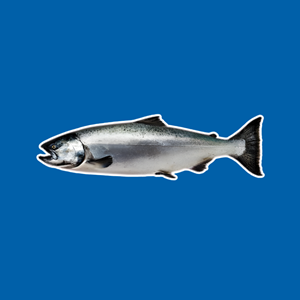
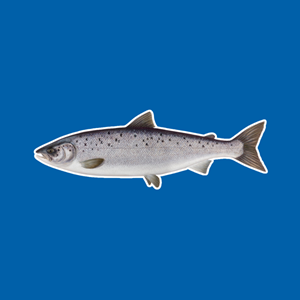
Pink salmon
(Oncorhynchus gorbuscha)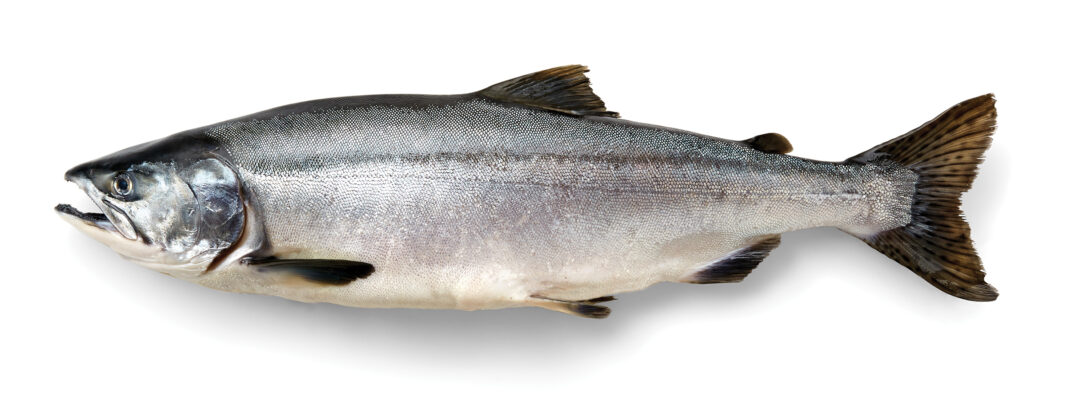
DK: Pukkellaks
FI: Kyttyrälohi
PL: Łosoś gorbusza / różowy
SE: Puckellax
RO: Somon roz / gorbușa
CZ: Losos gorbuša
Photo: © Alaska Seafood Marketing Institute
Keta salmon
(Oncorhynchus keta)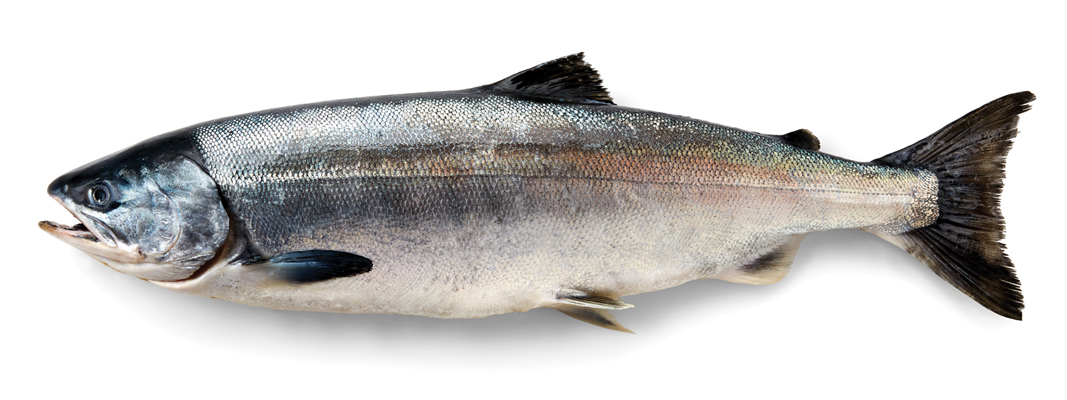
DK: Ketalaks
FI: Koiralohi
PL: Łosoś keta
SE: Hundlax / keta
RO: Somon keta
CZ: Losos keta
Photo: © Alaska Seafood Marketing Institute
Coho salmon
(Oncorhynchus kisutch)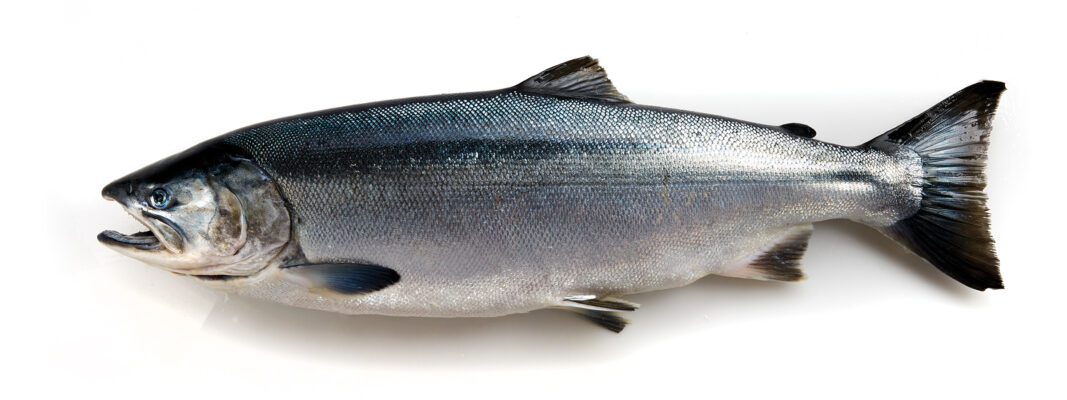
DK: Sølvlaks
FI: Hopealohi
PL: Łosoś kiżucz / coho
SE: Silverlax
RO: Somon coho
CZ: Losos kisuč / stříbrný
Photo: © Alaska Seafood Marketing Institute
Sockeye salmon
(Oncorhynchus nerka)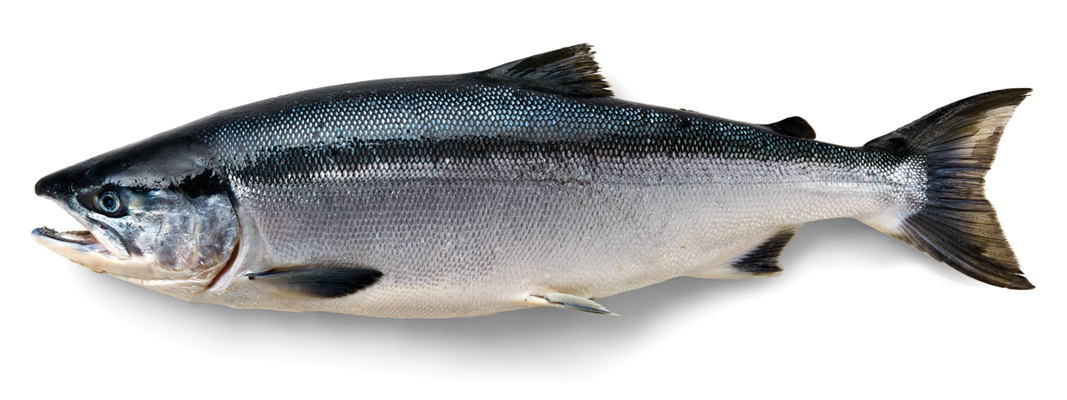
DK: Rødlaks
FI: Punalohi
PL: Łosoś nerka
SE: Rödlax / sockeyelax
RO: Somon nerka / roșu / sockeye
CZ: Losos nerka / červený / sockeye
Photo: © Alaska Seafood Marketing Institute
King salmon
(Oncorhynchus tshawytscha)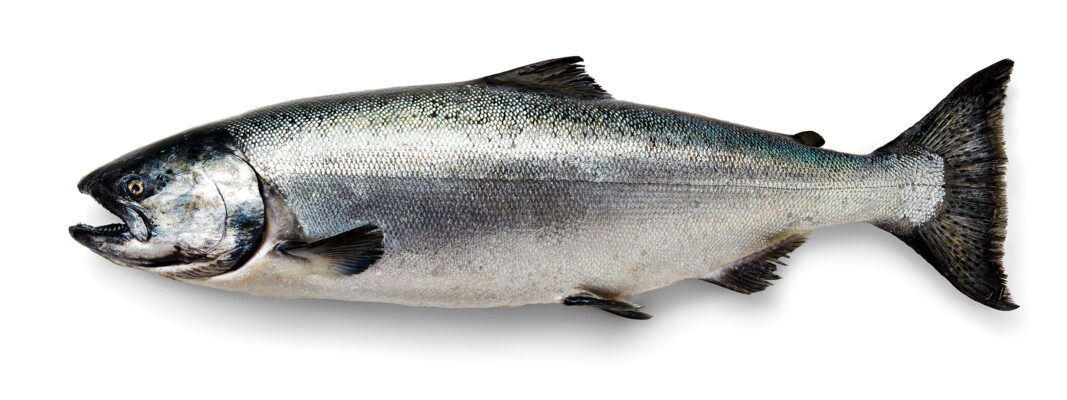
DK: Kongelaks
FI: Kuningaslohi
PL: Łosoś czawycza / królewski
SE: Kungslax / chinook
RO: Somon chinook / rege
CZ: Losos čavyča
Photo: © Alaska Seafood Marketing Institute
MSC Certified Salmon in Alaska
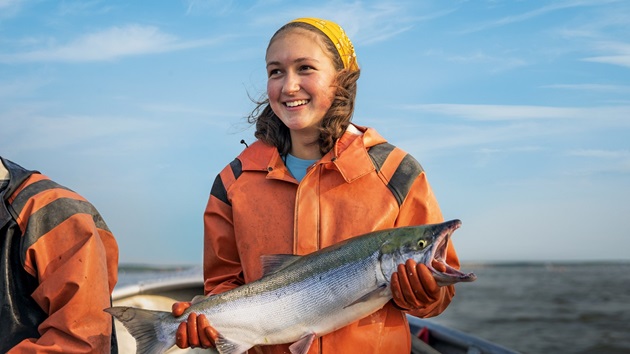
Salmon has been synonymous with Alaska since the beginning - long before it ever became a state. Read about the rich history of the state's relationship with this important fish, and meet Emily Taylor, a fifth-generation Alaska native commercial fisherman who catches MSC certified salmon in Bristol Bay, Alaska.
Find out more