


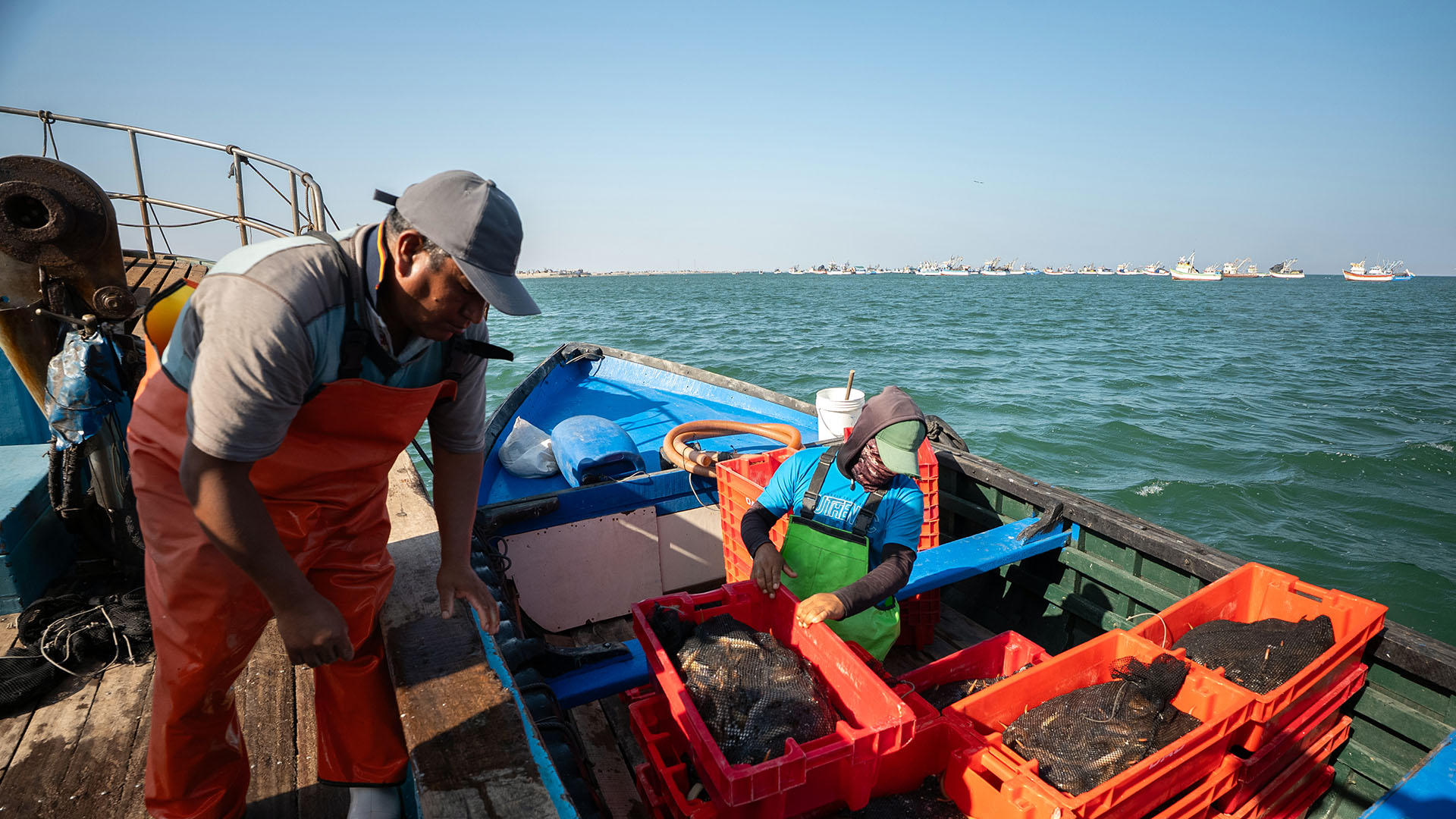

A recently published report has found the number of active and completed Fishery Improvement Projects (FIPs) may be declining for the first time. That’s a startling contrast with the previous review, which found that the number of FIPs had grown enormously from two in 2006 to over 150 in 2020.
The 2025 Global Landscape Review of FIPs shows the infrastructure for FIP reporting and implementation has grown significantly since 2015. However, gaps and inefficiencies make it difficult to measure the impact of FIPs effectively. Often the rate of improvement in FIPs is slower than expected and long-term outcomes remain elusive.
How can we ensure progress?
To answer that question, in 2019 we launched our In Transition to MSC program to support FIPs making concrete progress within a set timeframe. Initially a pilot with a small number of fisheries, it was adopted permanently in 2024 and is now known as the MSC Improvement Program.
The program has been designed to support fisheries worldwide, regardless of their size or location, to make the changes necessary for them to meet the MSC Fisheries Standard. The more fisheries that reach this benchmark, the greater the chance of protecting ocean wildlife, livelihoods and seafood for future generations.
Fisheries entering the MSC Improvement Program commit to making independently verified improvements so they can begin assessment against the Standard within five years. The timeline and expected outcome of these improvements are available publicly on the MSC’s Track a Fishery website. This in-built deadline and timetable of checks are designed to verify that fisheries are making progress.
The MSC also provides technical training on how to navigate the MSC Fisheries Standard and how to develop a credible Improvement Action Plan.
Proven outcomes
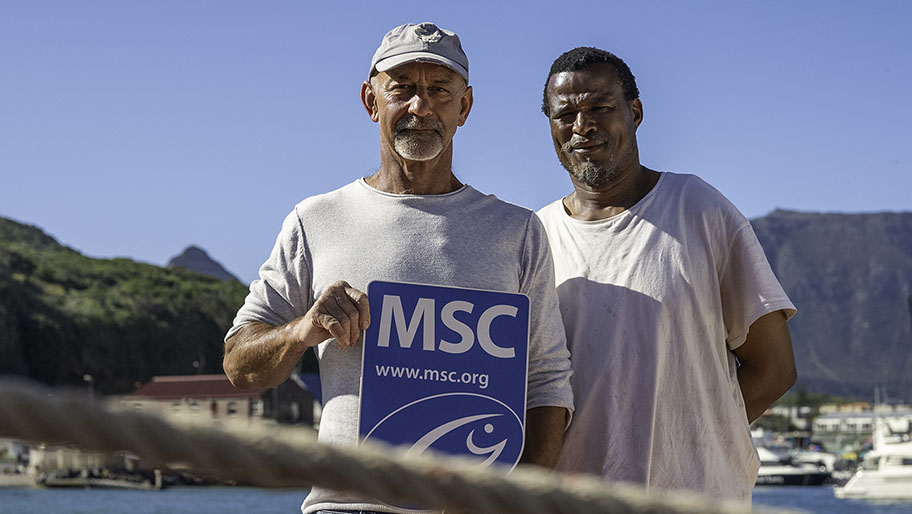
Four fisheries have already become certified having spent time in the Improvement Program - both components of the South African albacore tuna pole and line fishery, the Yellowfin tuna component of the AGAC four oceans fishery and the North Peru eel fishery. A further two Improvement Program fisheries are currently in assessment for certification. We expect the Improvement Program to continue to attract more fisheries that want to work towards MSC certification.
We also recognise that the Improvement Program is not the answer to improving sustainability in every fishery. For some fisheries, social license and the protection of livelihoods may be key, but the market incentive – to sell seafood with the MSC label – might not exist. We want to keep supporting these fisheries on their journeys outside the Improvement Program by collaborating and sharing knowledge with other organisations working closely with these fisheries and via our Pathway program.
-912.tmb-labelhome.jpg?Culture=en&sfvrsn=5a91ffe0_1)